
Amanita hemibapha
Amanita hemibapha
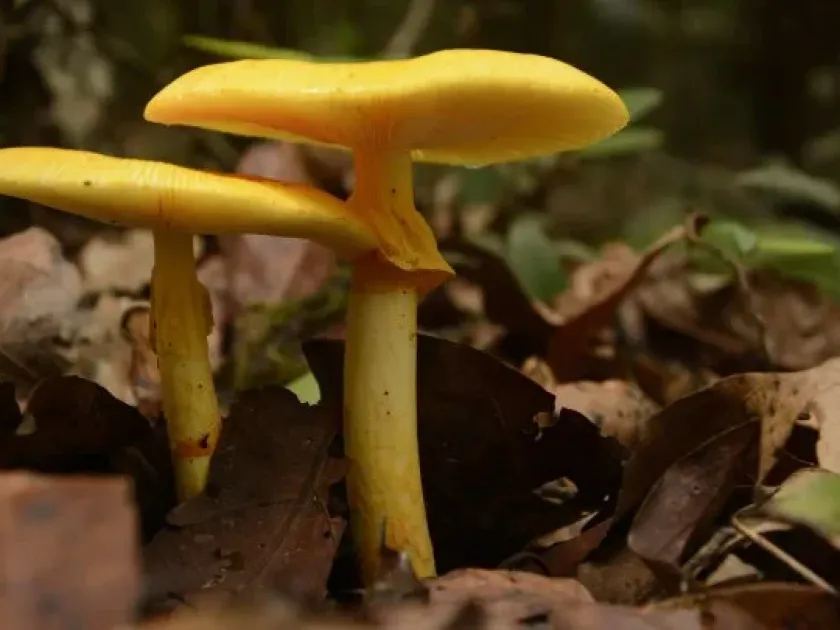
Description
Pathogen
Amanita hemibapha is a species of fungus in the family Amanitaceae and is strictly a non-pathogenic organism concerning agricultural crops.
In mycological research, this species is recognized as a beneficial mycorrhizal partner for various tree species, aiding in nutrient uptake rather than causing plant tissue destruction.
It lacks the enzymatic pathways or invasive mechanisms required to infect or cause diseases in common agricultural plants or crops.
The fungus is a saprotrophic and symbiotic organism that contributes to soil health and nutrient cycling in woodland environments.
There is no evidence in agricultural science or phytopathology that classifies Amanita hemibapha as a causative agent of any plant infection.
Conditions for development
The development of Amanita hemibapha is dependent on specific forest conditions, requiring the presence of suitable host trees for symbiotic association.
High levels of soil humidity and organic mulch are essential factors for the successful emergence of its fruiting bodies in the wild.
This fungus thrives in regions with tropical or subtropical climates, preferring stable temperatures and well-drained, nutrient-rich woodland soil.
Unlike parasitic fungi that spread via spores across crop fields, this species has limited geographic distribution related to its specific ecological niche.
As it is not an agricultural threat, no control or prevention strategies are required for the cultivation of crops near its natural habitat.
Discussion
No discussions yet — be the first.