
Amanita friabilis
Amanita friabilis
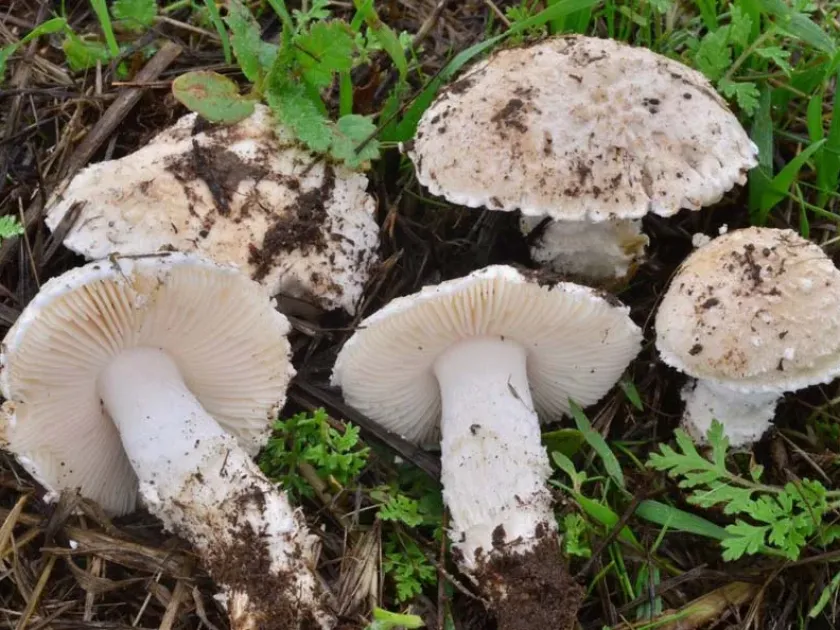
Description
Pathogen
Amanita friabilis is a basidiomycete fungus belonging to the Amanitaceae family. It is not a plant disease or an agricultural pathogen.
This fungus functions as an ectomycorrhizal partner, forming beneficial symbiotic relationships with the root systems of specific tree species, primarily alder.
As a mycorrhizal fungus, it does not attack living plant tissues, and it has no mechanism to cause necrosis, wilting, or rot in crops.
The fungus relies on a nutrient exchange system, providing the host plant with essential minerals in return for carbohydrates.
Its biological cycle is strictly tied to woodland ecosystems, making it irrelevant to the cultivation of standard agricultural crops.
Conditions for development
The development of Amanita friabilis is highly dependent on high soil moisture levels and specific forest soil compositions.
It thrives in swampy areas, riverbanks, and low-lying ground where the host trees, typically alder, are established.
The fungus requires specific microclimatic conditions, including stable, moderate temperatures and high humidity, for its fruiting bodies to emerge.
Soil chemistry plays a significant role, as the presence of certain organic materials in forest litter encourages its growth.
Environmental disturbances, such as land drainage or deforestation, significantly restrict the potential habitat for this fungus.
Why it matters
There is no economic or agronomic harm associated with this fungus, as it does not negatively impact cultivated plant species.
Since it is not a pathogen, it does not cause any symptoms of disease or reduce the productivity of agricultural fields.
The presence of Amanita friabilis should be viewed as an indicator of a healthy, functioning mycorrhizal network in nearby forested areas.
Farmers and foresters do not need to worry about crop damage, as this fungus does not possess the traits of a parasitic organism.
It poses no threat to the health of commercial tree plantations, provided the environment remains suitable for its symbiotic cycle.
Protection
No protective measures or disease control protocols are required for Amanita friabilis because it is not a threat to plant health.
The application of fungicides in areas where this fungus is present is unnecessary and harmful to the natural soil microflora.
Agricultural management plans should focus on identified pests rather than beneficial or neutral fungal components of the ecosystem.
Conservation efforts in adjacent wooded areas are the only relevant action, maintaining the natural balance of the woodland environment.
Correct identification is crucial for agronomists to avoid wasting resources on unnecessary treatments against non-pathogenic species.
Discussion
No discussions yet — be the first.