
Amanita echinocephala
Amanita echinocephala
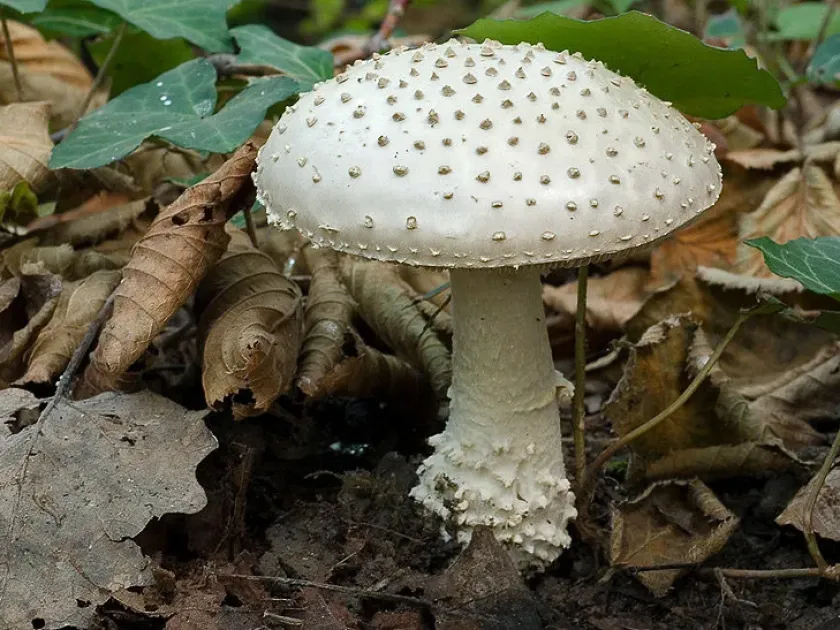
Description
Pathogen
Amanita echinocephala, commonly known as the prickly toadstool, is a mycorrhizal fungus that thrives in symbiotic relationships with tree roots.
It is fundamentally distinct from plant pathogens, as it does not infect, damage, or cause diseases in agricultural or wild plants.
Instead of acting as a parasite, it facilitates nutrient exchange, particularly nitrogen and phosphorus, to the host plant’s root system.
The fungus plays an essential role in forest ecosystem health, supporting the development of trees adjacent to farming areas.
Agronomists should identify this species as a beneficial soil component rather than a source of plant disease outbreaks.
Conditions for development
The species prefers calcareous soils and is frequently associated with deciduous tree species, such as oak or beech.
Development is stimulated by moderate environmental temperatures and high soil moisture levels during the peak growing season.
A stable forest floor environment with rich organic matter is crucial for the survival of the fungal mycelium.
Heavy agricultural runoff or severe soil compaction can inhibit the production of its characteristic spiky fruit bodies.
Geographical distribution is limited to areas with specific soil pH levels that favor the growth of its symbiotic tree partners.
Why it matters
There is no economic damage associated with this fungus, as it does not parasitize crops, vegetables, or ornamental plants.
It does not produce toxins that affect plant metabolism or reduce crop yield in any agricultural production system.
The primary concern regarding this species is its potential toxicity if ingested by humans or livestock, posing a food safety risk.
It does not harbor common plant pathogens, meaning it does not act as a vector for other crop-destroying diseases.
The presence of this fungus is often an indicator of a mature, healthy forest ecosystem adjacent to the farmland.
Protection
No agricultural control measures, such as fungicides or pesticides, are required or recommended for this species.
Proactive management should focus on public safety and the prevention of accidental ingestion near working areas.
Maintaining the integrity of the soil microbial community supports the beneficial role of such mycorrhizal fungi in nature.
Field managers should instruct workers to avoid foraging for unidentified mushrooms in areas where sensitive crops are grown.
- Implement safety protocols for workers in forest-adjacent zones.
- Monitor soil health to maintain diverse mycorrhizal populations.
Discussion
No discussions yet — be the first.