
Amanita curtipes
Amanita curtipes
Description
Symptoms
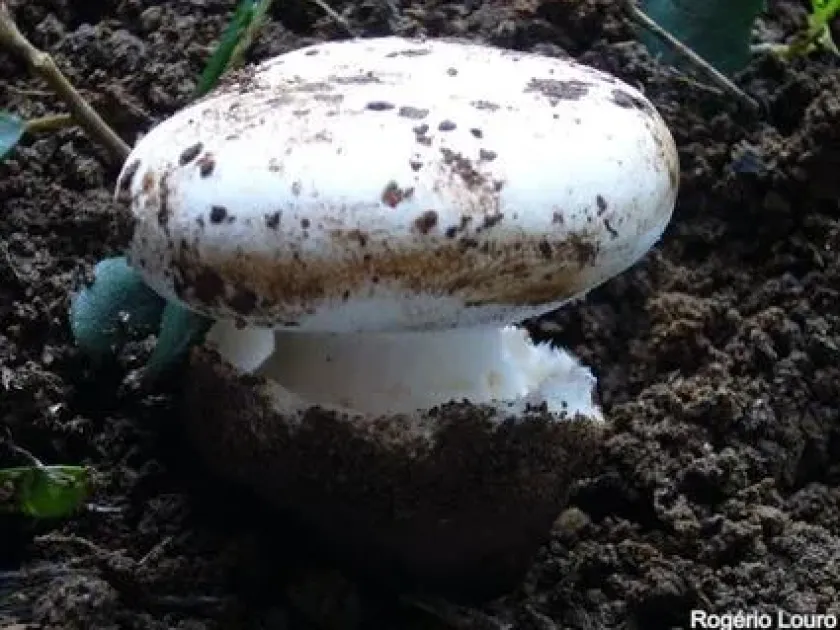
The most distinctive sign is the appearance of fruiting bodies during the autumn season. The common name arises from the notably short stem relative to the size of the cap.
The cap typically displays a brownish or grayish color and may feature remnants of the universal veil. The stem is generally stout, often appearing slightly embedded in the forest soil.
Root systems associated with the fungus exhibit increased branching and a denser appearance. This "mycorrhizal state" is essential for the long-term health of forest stands.
White fungal cords or rhizomorphs can often be found near the root tips when the soil is carefully disturbed. These structures facilitate the transport of nutrients between the fungus and the tree.
No symptoms of wilting, chlorosis, or necrotic decay are observed on the host plants. The presence of the mushroom itself is not a sign of infection, but rather of a thriving symbiosis.
Pathogen
Amanita curtipes is a species of fungus in the Amanitaceae family, primarily recognized for its role as a mycorrhizal partner rather than a plant disease pathogen. It creates a symbiotic relationship with specific tree species.
The fungus interacts with the host plant by forming ectomycorrhiza. This beneficial biological connection helps the tree extract water and vital mineral nutrients from the soil.
Unlike parasitic fungi, Amanita curtipes does not invade living plant tissues to cause necrosis. Instead, it forms a protective mantle around the root tips, blocking harmful soil microbes.
The mycelium develops within the upper soil horizons, particularly where organic matter is abundant. This creates a dense network that enhances the soil's overall biological activity.
In forest management, this fungus is considered an indicator of ecological stability. It serves as a vital component in the complex root-soil exchange processes required for tree growth.
Conditions for development
Amanita curtipes thrives in moist, well-drained forest soils with a high concentration of organic debris. It is highly sensitive to soil chemistry and moisture levels.
Optimal development occurs in temperate climates, with average temperatures between 15°C and 20°C. Cold winters and dry summers induce dormancy in the fungal mycelium.
Soil aeration is critical for the survival of the fungus, as it requires oxygen for respiration. Compacted soil significantly limits its growth and ability to form healthy mycorrhizal connections.
The presence of specific host trees is a prerequisite for the fungus to complete its life cycle. It is almost exclusively found in association with natural forest stands.
Spore dispersal occurs via wind and local soil insects. Once spores find a suitable environment near a compatible tree root, they germinate to establish a new mycelial colony.
Why it matters
This fungus poses no threat to agricultural crops or ornamental plants. It is not a parasite, and it does not produce toxins that can damage woody tissues or cause root rot.
In some contexts, the appearance of mushrooms may cause concern for landowners, but this is entirely unfounded from an agronomic perspective. The fungus does not compromise plant vitality.
There are no recorded instances where Amanita curtipes has caused economic damage to timber production or fruit orchards. It remains a strictly ecological factor in woodland environments.
The only potential risk associated with this species is accidental ingestion, as some Amanita species are highly toxic. Therefore, identification is essential for public safety.
The impact of this species on the environment is net-positive. By improving nutrient uptake and root protection, it ensures the sustainability of its host trees over many decades.
Protection
No protective or control measures are necessary for Amanita curtipes. As a beneficial symbiotic organism, it is protected by the natural balance of forest ecosystems.
Removing fruiting bodies is recommended only in high-traffic public areas such as city parks to prevent accidental poisoning, which does not harm the underground mycelium.
The use of fungicides in areas where this fungus is established should be avoided. Such chemicals often kill the beneficial mycorrhizal network, causing trees to weaken.
Preventive care focuses on maintaining soil quality and avoiding deep soil compaction. Preserving natural forest conditions ensures the continued presence of this helpful fungus.
Regular monitoring of forest health is sufficient. If the host trees are thriving, the presence of Amanita curtipes is a welcome sign of a healthy, functioning ecosystem.
Discussion
No discussions yet — be the first.