
Alternaria blight
Alternaria arborescens
Description
Symptoms
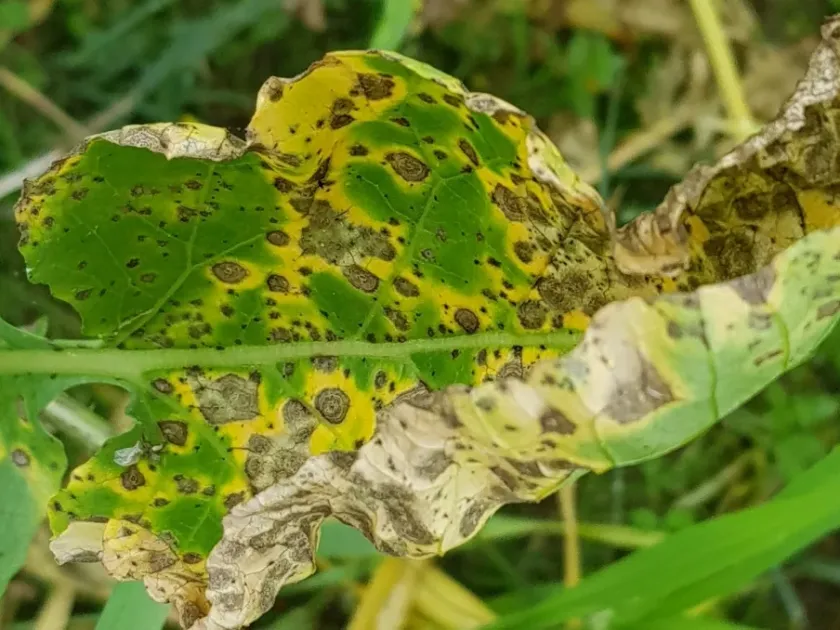
The primary symptom of Alternaria blight is the appearance of dark brown or black circular spots. These spots often display concentric rings, which is a classic diagnostic feature of the disease.
As the infection progresses, the spots enlarge and coalesce, often surrounded by a yellow halo. This leads to premature leaf chlorosis, curling, and eventual necrosis of the leaf blade.
Stems can also be affected, showing sunken dark lesions that may weaken the plant structure, leading to lodging and reduced nutrient transport throughout the vascular system.
Fruit symptoms typically appear as dark, sunken lesions that rapidly develop a dark olive-black, velvety layer of sporulation, particularly in humid environments.
Early identification is crucial; closely inspecting the undersides of leaves and checking for the characteristic velvety fungal growth allows for accurate field diagnosis before the blight spreads.
Pathogen
The causative agent of the disease is the fungus Alternaria arborescens, a member of the Hyphomycetes order. This pathogen is highly adaptable and can persist in various environmental conditions.
The fungus propagates through conidia, which are easily dispersed by wind, rain splashes, and insects. It can penetrate plant tissues through stomata or directly through the epidermis.
Infection sources include plant debris left in the soil, infected seeds, or tubers from previous seasons. The mycelium remains dormant in these substrates until conditions become favorable for growth.
As a polyphagous pathogen, it infects a wide variety of crops, including tomatoes, potatoes, crucifers, and various fruits, making it a significant challenge for modern agronomy.
Its biological robustness allows the fungus to overwinter successfully, ensuring that fields remain at risk of recurring outbreaks as soon as environmental conditions become conducive to the pathogen's development.
Conditions for development
Development of the fungus is most active in temperatures ranging from +18°C to +28°C. Fluctuating temperatures combined with morning dew are particularly favorable for rapid infection.
High relative humidity (above 70%) is a critical requirement for spore germination. Prolonged wet periods, such as steady rainfall, significantly accelerate the spread of the pathogen.
Nutrient stress, particularly potassium deficiency, weakens the plant's defense mechanisms. Plants under stress are significantly more susceptible to infection by Alternaria arborescens.
Poor crop rotation practices, where related crops are planted sequentially, contribute to the buildup of inoculum in the soil, increasing the probability and severity of infection.
Dense planting patterns reduce airflow and increase humidity within the canopy, creating a microclimate that is perfectly suited for the germination and spread of the fungal spores.
Why it matters
The disease causes substantial damage by significantly reducing the photosynthetic surface area of the leaves. This disruption hampers the plant's ability to produce energy, limiting overall growth.
Premature leaf drop shortens the vegetative growth phase, preventing the crop from reaching its full yield potential and resulting in smaller, lower-quality produce.
Infection of fruits severely degrades their marketability and storage life, often leading to post-harvest decay if the fungi are present on the produce at the time of harvest.
Economically, Alternaria blight can cause yield losses ranging from 20% to 50% in untreated fields, making it one of the more destructive diseases for vegetable and tuber crops.
The need for intensive fungicide programs to mitigate these losses adds significant overhead costs to agricultural operations, impacting the overall profitability of the harvest.
Protection
- Selection of resistant or tolerant cultivars and hybrids.
- Implementation of robust crop rotation cycles lasting at least 3-4 years.
- Thorough removal and destruction of crop residues post-harvest.
- Timely application of protective and systemic fungicides (e.g., strobilurins).
- Maintenance of balanced soil fertility, with focus on potassium supplementation.
Proactive management begins with using certified disease-free seeds and performing seed treatments to reduce the initial inoculum load in the field during planting.
Regular field scouting is essential. Once the first symptoms appear, prompt fungicide application using varied modes of action is necessary to prevent the development of resistant fungal strains.
Weed management is a vital component of control, as many wild species act as reservoirs for the fungus, allowing it to survive and spread to crops throughout the growing season.
Optimizing plant spacing and improving canopy ventilation helps reduce local humidity levels, making the environment less hospitable to the fungus and hindering its rapid development.
Discussion
No discussions yet — be the first.