
Alternaria blight
Altenariaster
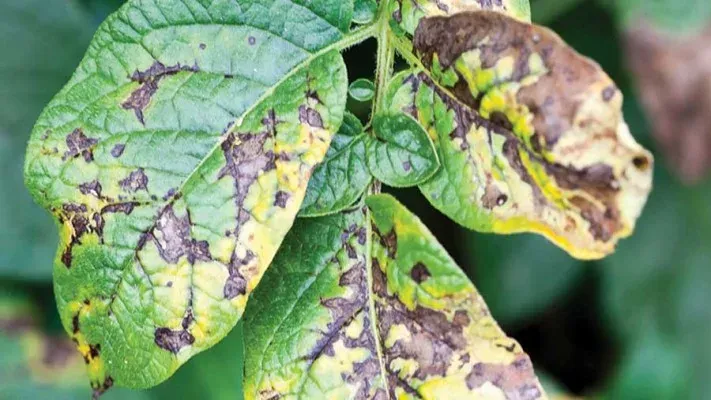
Description
Symptoms
The earliest symptoms include small, dark-brown spots on the lower leaves. As the disease progresses, these lesions expand and develop a distinct concentric ring pattern.
A dark olive-black velvety mold appears on the surface of the lesions, especially under high humidity. This represents the sporulation stage of the fungus, confirming the presence of the pathogen.
Stem lesions are typically elongated and can cause stem breakage, leading to plant collapse. Fruit symptoms often include sunken, dark-colored lesions that eventually become covered with black, powdery spores.
Severe infestations lead to premature yellowing and drying of leaves, starting from the base of the plant. Infected foliage may curl and wither, yet remain attached to the stem for some time.
Diagnosis requires visual inspection for the characteristic concentric rings and, in severe cases, microscopic examination to confirm the presence of specific Alternaria spores.
Pathogen
The disease is caused by fungi belonging to the Alternaria genus, which includes several highly adaptable species. These pathogens are ubiquitous in agricultural environments worldwide.
The fungus overwinters in plant debris, soil, and seeds in the form of mycelium or conidia. Infected seeds often serve as the primary source of long-distance distribution of the pathogen.
Infection occurs when conidia germinate and penetrate the plant through natural openings like stomata or through existing wounds. Once inside, the fungus secretes phytotoxins that cause localized cell death.
Conidia are easily disseminated by wind, rain splashes, and insects. Alternaria is a facultative parasite, capable of surviving as a saprotroph on dead plant tissues during non-growing seasons.
The life cycle is characterized by the production of chain-like conidia on conidiophores. Under favorable conditions, the pathogen can produce multiple generations, leading to rapid disease escalation.
Conditions for development
Alternaria blight thrives under warm, humid conditions with temperatures ranging between +20°C and +28°C. These temperatures are optimal for spore germination and mycelial growth.
High moisture levels, such as those caused by frequent rainfall, heavy dew, or overhead irrigation, are essential for the infection process. Free water on leaf surfaces triggers the germination of fungal spores.
Plants suffering from nutrient deficiencies, drought, or insect damage are significantly more susceptible to infection. Stress weakens the natural defenses of the crop.
Poor air circulation, often found in dense plantings or closed greenhouse environments, leads to prolonged leaf wetness. This microclimate significantly favors the rapid development of the blight.
Continuous cropping of the same host species creates a buildup of inoculum in the soil, drastically increasing the probability of severe outbreaks in subsequent seasons.
Why it matters
Alternaria blight causes substantial economic losses, with yield reductions ranging from 20% to over 50% in vulnerable crops. The severity depends on the timing of the initial infection.
The loss of foliage directly reduces the photosynthetic capacity of the plant, resulting in stunted fruit development and lower quality seeds. Marketability of produce is severely impacted by unsightly lesions.
Fruit decay, both in the field and post-harvest, is a major concern. Infected fruits often rot rapidly, making storage and long-distance transport economically unviable.
Using infected seeds reduces germination rates and crop vigor. Furthermore, such seeds perpetuate the disease cycle in previously healthy fields, leading to long-term management challenges.
Financial impact includes not only the loss of yield but also the increased costs associated with frequent fungicide applications, specialized storage requirements, and crop destruction.
Protection
Integrated management begins with a robust crop rotation plan, aiming to avoid susceptible hosts for at least 3 to 4 years. This significantly reduces the pathogen load in the soil.
The use of certified, treated seeds is a critical preventative measure. Seed treatments help eliminate initial inoculum and protect young seedlings during the most vulnerable stage.
Post-harvest sanitation, including the destruction or deep burial of plant residues, is vital. Minimizing the amount of infected material left in the field prevents the fungus from overwintering.
Chemical control via prophylactic fungicide applications is necessary when environmental conditions are conducive to disease. Rotation of chemical classes is recommended to prevent resistance development.
Maintaining optimal plant health through balanced fertilization and appropriate irrigation scheduling helps crops resist infection. Good field hygiene and ventilation in greenhouses further minimize disease risks.
Discussion
No discussions yet — be the first.