
Alnicola
Alnicola
Description
Symptoms
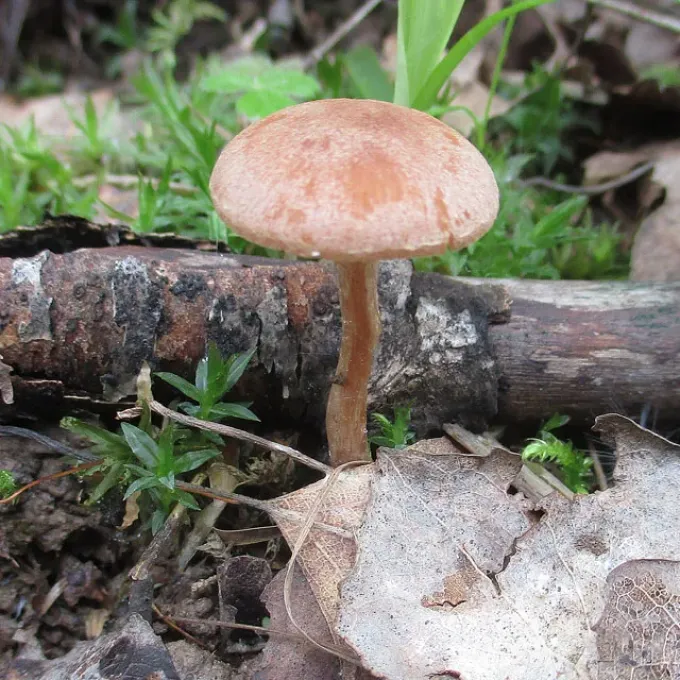
The fruit bodies of Alnicola are typically small, with ochre or brown caps and fibrous stipes (stems).
They are frequently observed growing in moist forest environments, specifically around the root zones of alder trees.
During the fruiting season, which usually occurs in autumn, colonies of these mushrooms can be identified by their clustered growth habit.
The mycelium resides within the soil substrate and is invisible to the naked eye unless associated with the root collar of trees.
Accurate identification usually requires microscopic analysis of spores and cystidia to distinguish them from other similar fungal genera.
Pathogen
The genus Alnicola belongs to the family Strophariaceae and comprises a group of fungi that are closely associated with alder trees (Alnus).
These fungi are well-recognized as ectomycorrhizal partners, forming beneficial symbiotic relationships with the roots of their host plants.
They are not plant pathogens and do not cause diseases in crops or trees; rather, they enhance nutrient uptake for their hosts.
Taxonomically, the status of Alnicola has been debated, with many species now being classified under the genus Naucoria.
Their life cycle involves the colonization of the soil and root system, facilitating the exchange of carbon and minerals within the ecosystem.
Conditions for development
Alnicola thrives in damp, humid environments where the presence of alder trees provides the necessary biological host.
The fungi require soil conditions rich in organic matter, such as leaf litter, which they help decompose and mineralize.
Optimal development of fruit bodies is highly dependent on sufficient rainfall and moderate temperatures during late autumn months.
These fungi are well-adapted to habitats with high water tables, which are characteristic of alder-dominated wetlands and riparian zones.
Soil disturbances, such as heavy compaction or excessive chemical runoff, can disrupt the mycorrhizal networks formed by these fungi.
Why it matters
Alnicola is entirely harmless to agricultural crops and timber trees, as it is a strictly mycorrhizal and saprotrophic organism.
There is no economic harm associated with these fungi; they do not trigger rot, decay, or physiological distress in plants.
Misidentifying these mushrooms as harmful pathogens may lead to unnecessary chemical interventions that damage the soil biome.
They play a positive role by supporting the vitality of forests, which in turn acts as a buffer for surrounding agricultural fields.
There is no record of Alnicola being a factor in the decline of plant health or crop productivity in any known agricultural system.
Protection
No control measures are needed for Alnicola as it serves a beneficial ecological function in the environment.
The use of fungicides is strongly discouraged, as such chemicals would negatively impact the beneficial mycorrhizal fungi in the soil.
Forest management practices should prioritize preserving the root integrity of host trees to ensure the persistence of these fungi.
Education on fungal identification is the best strategy to prevent unnecessary concern among land managers and agricultural workers.
Promoting a balanced soil ecosystem is the only recommendation required regarding the presence of this fungal genus.
Discussion
No discussions yet — be the first.