
Allantophomopsiella
Allantophomopsiella
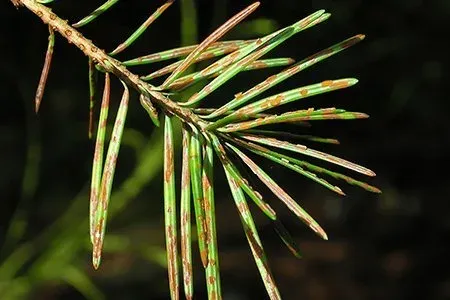
Description
Symptoms
The initial symptoms include the appearance of small, irregular spots on the foliage or stems, which may start as light green or yellowish discoloration before turning brown.
As the infection progresses, these lesions expand, leading to tissue death (necrosis). In the centers of these necrotic zones, small dark, pimple-like structures—the pycnidia—can often be observed with a magnifying lens.
Severe infections frequently cause the wilting and death of young shoots, leading to a scorched appearance. The affected parts may become brittle and break off easily under wind pressure.
A characteristic sign in humid conditions is the emergence of fungal spores from the pycnidia, often visible as a slimy, glistening layer or tiny tendrils of spores on the surface of the lesions.
Stem lesions may eventually encircle the branch, effectively girdling it and causing the rapid death of all terminal growth located above the infected site.
Pathogen
The disease is caused by the fungus Allantophomopsiella pseudotsugae, which is classified within the Ascomycota division. This pathogen is known for its ability to inhabit the tissues of various plants, causing significant physiological damage.
The life cycle of the pathogen involves the formation of pycnidia, which are specialized fruiting bodies where conidia (asexual spores) are produced. These spores are the primary vehicles for spreading the infection.
The fungus persists in infected plant debris, fallen leaves, and cankerous stems, serving as a primary source of inoculum for the next growing season when conditions become favorable.
Upon infection, the fungal mycelium colonizes the vascular and epidermal tissues, eventually leading to the breakdown of plant cells and the development of localized necrosis.
Understanding the biology of Allantophomopsiella is essential, as the timing of its spore production often correlates with specific seasonal rainfall patterns and temperature shifts.
Conditions for development
The development of Allantophomopsiella is highly dependent on environmental moisture. Extended periods of rainfall or high relative humidity are critical for spore germination and infection.
Temperature plays a significant role, with moderate temperatures often being the most conducive to the rapid colonization of plant tissues by the fungus.
Poor airflow within dense plantings or orchards creates microclimates where leaf wetness lasts for longer durations, significantly increasing the probability of successful fungal infection.
Plants that are stressed due to nutrient deficiency, waterlogging, or physical wounds are significantly more susceptible to the entry and spread of this pathogen compared to vigorous, healthy plants.
Overhead irrigation systems can inadvertently create the perfect conditions for spore dispersal if the water droplets splash infected plant material onto healthy foliage.
Why it matters
The economic impact of this disease is significant, as it leads to reduced plant vigor, disfigurement, and, in some cases, the total death of branches or entire plants.
For berry crops, the disease directly affects yield by killing the fruit-bearing shoots or buds, leading to a substantial decrease in harvest quality and quantity.
In nursery settings, the presence of the pathogen can lead to the condemnation of stock, causing direct financial losses and disrupting the supply chain for growers.
Cumulative damage over several seasons exhausts the plant's metabolic reserves, making it susceptible to secondary infections by other opportunistic pathogens or pests.
Ultimately, the presence of the disease in a plantation necessitates increased expenditure on labor for pruning and the application of chemical control agents.
Protection
The most effective strategy for disease management is rigorous sanitation, which includes the prompt pruning and removal of all infected shoots to eliminate the source of the inoculum.
Cultural practices are paramount, such as ensuring proper plant spacing to allow for adequate air circulation, which helps keep foliage dry and hinders fungal growth.
Preventive fungicide treatments, particularly those containing copper or effective systemic agents, should be applied during high-risk periods, such as wet springs or late summer.
Minimizing mechanical wounds during agricultural operations helps prevent the pathogen from gaining direct access to the plant's internal tissues, where it is harder to treat.
Regular monitoring of the field allows for the early detection of symptoms, ensuring that intervention can occur before the infection reaches an epidemic stage across the crop.
Discussion
No discussions yet — be the first.