
Aleuria
Aleuria
Description
Symptoms
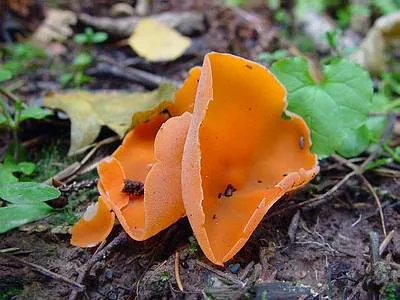
The primary symptom of an Aleuria presence is the sudden appearance of bright orange, cup-shaped fruiting bodies, ranging from 1 to 10 centimeters in diameter.
These fruiting bodies are fleshy, sessile, and often cluster together on the soil surface, especially in areas with wood chips, straw mulch, or decaying leaf litter.
Unlike parasitic fungi, they do not cause wilting, spots, or necrosis on the leaves or stems of living host plants, as they only feed on dead organic matter.
Under close inspection, the fungi appear as distinct, macroscopic structures rather than the fuzzy mycelial mats typical of many gray mold or mildew diseases.
The soil structure where Aleuria appears is usually moist, friable, and rich in organic matter, which can be easily identified by the darkening of the topsoil layer.
Pathogen
The genus Aleuria belongs to the Pyronemataceae family of Ascomycota. While most species are saprotrophic, they are common soil inhabitants that break down organic matter in garden beds and greenhouses.
The most recognizable species is Aleuria aurantia, commonly known as the orange peel fungus. It develops distinct, bright orange apothecia, often mistaken for pathological threats.
Biologically, these fungi are non-pathogenic, playing a crucial role in nutrient cycling by decomposing cellulose and lignins within the soil organic matter.
The life cycle involves the formation of spores that spread through the air, quickly colonizing moist, nutrient-rich environments where organic decay is occurring.
In agronomy, it is essential to distinguish such saprotrophs from aggressive soil-borne pathogens like Pythium or Phytophthora, which cause serious root diseases.
Conditions for development
Aleuria thrives in environments with consistently high humidity and poor ventilation, often seen in greenhouses and covered crop structures during spring and autumn.
The optimal temperature range for the development of these fruiting bodies is between 15°C and 22°C, which aligns with common greenhouse growing conditions.
High levels of raw organic mulch, such as uncomposted wood shavings or straw, provide the primary fuel for the fungal network to expand and produce apothecia.
Poor soil aeration and frequent heavy irrigation create the specific conditions required for the fungus to emerge on the surface of the growing media.
Acidic soil pH is another factor that supports the growth of this genus, making it more common in areas where peat-based substrates are frequently used.
Why it matters
Aleuria causes no direct harm to healthy living plants because it lacks the enzymatic machinery to invade living vascular tissues or damage root systems.
However, the mass growth of fruiting bodies can physically obstruct small seedlings, potentially causing stress due to competition for space or light.
Its presence is primarily an indicator of an overly damp microclimate, which poses a secondary risk of promoting real plant pathogens that thrive in similar wet conditions.
In ornamental landscaping and professional nurseries, the emergence of these fungi can disrupt the aesthetic uniformity and standard quality of the crop.
Indirectly, the rapid decomposition of organic matter by the fungus may transiently sequester soil nitrogen, momentarily impacting the availability of nutrients for nearby plants.
Protection
The most effective management strategy is to optimize the irrigation regime to prevent the surface of the soil from remaining perpetually wet.
Improving airflow and ventilation within the greenhouse or garden beds will lower humidity levels, effectively inhibiting the development of the fungus.
Removing decaying organic matter or old mulch will eliminate the food source, significantly reducing the likelihood of future Aleuria outbreaks.
If necessary, mechanical removal of the fruiting bodies and the underlying topsoil layer is a simple and immediate way to clean the area without chemicals.
Chemical intervention is rarely required; maintaining good horticultural hygiene and drying out the substrate is almost always sufficient to stop the growth.
Discussion
No discussions yet — be the first.