
Alcaligenes faecalis
Alcaligenes faecalis
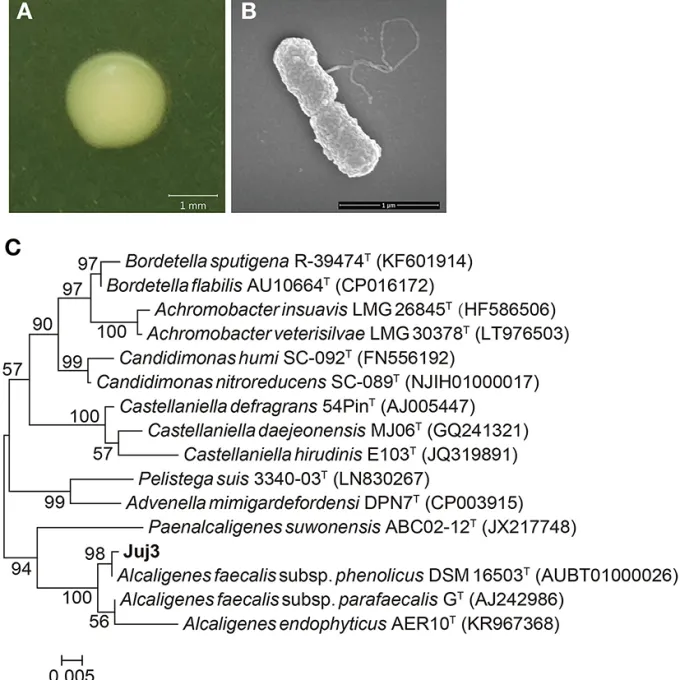
Description
Symptoms
The primary symptom is the appearance of localized soft rot areas on roots, stems, or leaves of affected crops.
Lesions typically present as water-soaked spots that rapidly expand when environmental conditions favor bacterial growth.
Tissues often discolor to a dark brown or greyish tone, frequently accompanied by a distinct, unpleasant odor caused by tissue decay.
Systemic infection in the plant vascular system leads to a loss of turgor, causing the plant to wilt and collapse entirely.
- Tissue softening
- Water-soaked lesions
- Foul odor
- Plant wilting
Pathogen
Alcaligenes faecalis is a Gram-negative, motile, rod-shaped bacterium classified among opportunistic pathogens.
While often found as a saprophyte in soil and water, under certain circumstances, it acts as an aggressive phytopathogen in agricultural environments.
The bacterium produces specific enzymes capable of degrading pectin components in plant cell walls, leading to tissue softening.
It frequently acts as a secondary invader, colonizing plant tissues already weakened by primary infections, injuries, or pests.
High levels of organic matter combined with poor soil aeration often provide the necessary environment for its colonization and growth.
Conditions for development
High ambient humidity and excessive soil moisture are the most critical factors driving the development of this bacterial disease.
The bacterium thrives within a temperature range of +20 to +30 degrees Celsius, which is typical for many growing seasons.
Waterlogging resulting from poor irrigation management or improper soil drainage facilitates the rapid spread of the pathogen.
Physical injuries, whether caused by insect feeding, hail, or agricultural tools, provide entry points for the bacteria to infect healthy tissues.
Poor ventilation in greenhouses and high-density planting create microclimates that encourage the rapid transmission of the disease.
Why it matters
The economic impact of this pathogen is significant, as it causes rapid product decay both in the field and in post-harvest storage.
Affected produce loses its commercial value and quality, making it unsuitable for market distribution or human consumption.
Extensive infections can result in total plant loss, significantly reducing the final yield per hectare for the affected field.
The disease tends to progress quickly, turning small infection foci into widespread areas of rotting vegetation.
Costs are further increased by the necessity of sanitizing storage facilities and managing infested soil to prevent future outbreaks.
Protection
Implementing a rigorous crop rotation schedule is essential to reduce the concentration of pathogens in the soil over time.
Maintaining proper irrigation practices is vital to avoid excessive moisture levels that trigger bacterial proliferation.
Integrated pest management should be employed to reduce the physical damage caused by insects, which otherwise facilitates bacterial entry.
If diseased plants are identified, they must be promptly removed and disposed of properly to prevent the spread to healthy neighboring plants.
Preventative application of copper-based agents or authorized bio-fungicides can serve as an effective barrier against initial infections.
Discussion
No discussions yet — be the first.