
Albatrellus cristatus
Albatrellus cristatus
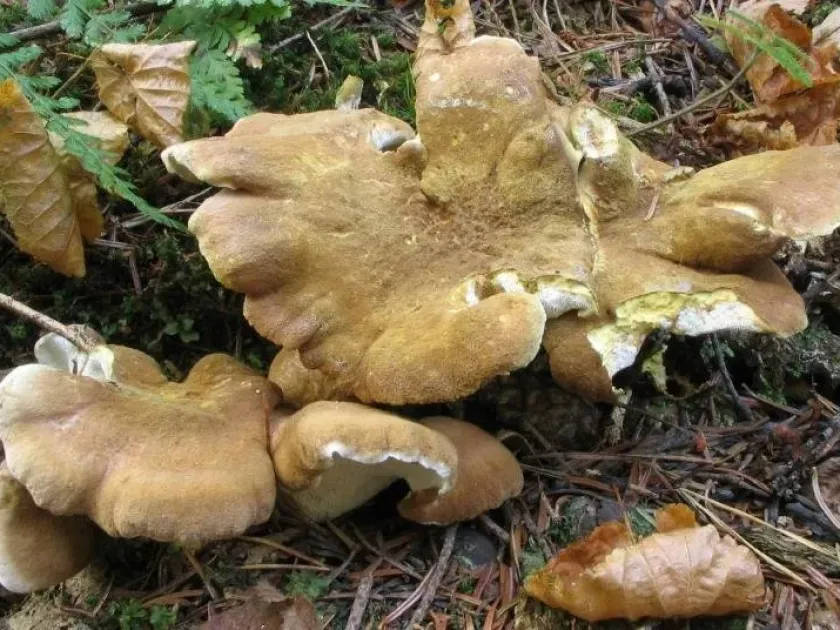
Description
Symptoms
The most visible symptom of infestation is the emergence of fan-shaped, yellow-green fruiting bodies near the tree's base. These typically appear during the summer and autumn months.
Above-ground symptoms include gradual foliage discoloration, thinning of the crown, and dieback of the upper branches. These signs reflect the compromised water and nutrient uptake by the damaged roots.
Early-stage infection is difficult to detect because the primary damage occurs underground. Often, the disease is only confirmed once the fungal mycelium has significantly degraded the root system.
When inspecting the roots, the wood appears brown, brittle, and breaks into cube-like fragments. This structural decay severely reduces the tree's ability to anchor itself against heavy winds.
Increased susceptibility to secondary infestations is common. Trees infected by this fungus frequently attract wood-boring insects, which accelerate the tree's decline and ultimate mortality.
Pathogen
Albatrellus cristatus is a basidiomycete fungus within the Albatrellaceae family. In agronomic and forestry contexts, it is identified as a facultative pathogen or saprotroph that targets the root systems of weakened trees.
The pathogen is known for causing brown rot in wood. The fungal mycelium penetrates the root tissues, decomposing cellulose and lignin, which are essential for the structural integrity of the tree.
Biologically, the fungus often exists in mycorrhizal states, but under stress conditions, it shifts to a pathogenic lifestyle. Its enzymatic activity is specifically aimed at breaking down complex carbohydrates in woody plants.
Reproduction occurs via basidiospores that are dispersed by air currents. These spores germinate on soil surfaces and infect trees primarily through existing wounds or damage in the root bark.
The fungal life cycle is closely linked to soil organic matter. Albatrellus cristatus can persist in old stumps or wood debris for years, maintaining an infection reservoir that threatens nearby healthy vegetation.
Conditions for development
High soil and air humidity provide the ideal environment for Albatrellus cristatus development. The fungus thrives in shaded areas with significant forest litter accumulation.
An ambient temperature range of 15°C to 22°C is optimal for rapid mycelial growth and the development of fruiting bodies. Such conditions are typical for forest landscapes during the growing season.
Mechanical damage to roots, caused by heavy machinery, digging, or animal activity, serves as the main entry point for the pathogen. Healthy, undisturbed roots are much more resistant to penetration.
Soil acidity levels also influence the spread, as the fungus prefers slightly acidic substrates. Poor drainage leading to waterlogged soil further promotes the proliferation of rot-inducing fungi.
Proximity to decaying stumps and logging residue is a major factor. The fungus utilizes these organic reservoirs to expand its colony and infect the healthy root systems of surrounding trees.
Why it matters
The primary danger lies in the destruction of root anchoring, which significantly increases the risk of trees blowing over during windstorms. This poses severe safety hazards in managed forest areas.
The disease reduces the commercial value of timber, rendering it soft and unusable for construction. The resulting brown rot makes the wood biologically and mechanically unstable.
Outbreaks can devastate forest stands or nurseries, leading to widespread mortality among young trees. This results in significant economic losses and disrupts local reforestation efforts.
Albatrellus cristatus alters the ecosystem by displacing native tree species, leading to a decline in biodiversity. Its presence can permanently change the characteristics of the local forest biome.
Managing the infection involves high labor costs for sanitation and removal of affected trees. Preventing the further spread of spores requires strict adherence to forest hygiene protocols.
Protection
Preventive maintenance is key to control. Regular clearing of deadwood, fallen branches, and old stumps is essential to eliminate the primary sources of fungal infection from the soil.
Protecting the root system from mechanical stress is critical. When working near trees, care should be taken to avoid soil compaction and physical damage to the root bark.
Once a tree is confirmed as infected, it must be removed, including its root system. It is vital to dispose of the infected material properly to prevent spore release.
The use of biological fungicides, particularly those containing Trichoderma species, can help suppress the fungus in the soil. These beneficial organisms compete with the pathogen for resources.
Maintaining tree vigor through proper irrigation and balanced fertilization helps boost natural defenses. Healthy, robust trees are far less likely to succumb to fungal root rot than neglected ones.
Discussion
No discussions yet — be the first.