
Albatrellus
Albatrellus
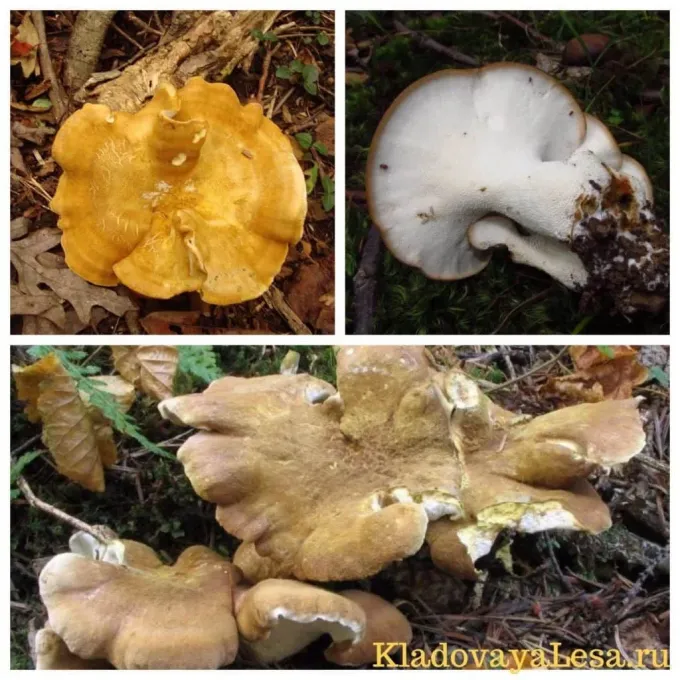
Description
Symptoms
The most visible sign of an infection is the emergence of fruiting bodies at the base of the tree or on the soil surface near the roots. These fruiting bodies are often clusters of distinct, fleshy, yellow or white caps.
The crown of an infected tree often shows signs of stress, such as thinning, discoloration, or premature needle drop. This is a direct consequence of the root system's impaired ability to absorb water and nutrients.
Internal symptoms are characterized by localized rot at the base of the trunk. Wood tissue becomes soft and discolored as the fungal mycelium consumes cellulose and lignin, compromising the tree's structural integrity.
Reduced annual growth increment is a common indicator. Trees struggling with root decay exhibit limited development and may show signs of wilting even in moderate weather conditions.
In advanced stages, the tree's stability is significantly reduced, increasing the risk of breakage or windthrow. Careful examination of the root collar often reveals decayed wood layers underneath the bark.
Pathogen
Albatrellus is a genus of fungi within the order Russulales. While many species are known for their mycorrhizal relationships with conifers, some function as opportunistic pathogens capable of degrading tree roots and stems.
The pathogen spreads via mycelial growth that penetrates the root system of susceptible trees. Once the fungus establishes itself in the root cortex, it initiates the decay process by breaking down structural components of the woody tissue.
This condition manifests as root and butt rot, a type of disease that progressively destroys the underground foundation of the tree. The severity depends on the specific host species and environmental resilience.
Spore production occurs during the fruiting season, with basidiospores being dispersed by wind. These spores can infect wounded tissues or initiate new colonies in the forest litter.
The biological nature of the pathogen makes it a complex object of study, as its transition from a symbiont to a degrader is often triggered by changes in the host's health or the surrounding soil ecosystem.
Conditions for development
The development of Albatrellus is favored by moist, cool soil conditions, which provide an optimal environment for mycelial growth. Poorly drained forest soils are particularly prone to high infection rates.
Mechanical damage caused by heavy machinery during logging operations is a significant factor. Wounds on roots or lower stems serve as entry points for fungal spores.
High humidity and consistent rainfall encourage the production of reproductive structures. A thick, damp layer of forest litter can sustain the fungus between host trees.
Forest stands that are stressed by drought, insect attacks, or poor site conditions are more susceptible to colonization. A compromised host tree lacks the defense mechanisms needed to stop the fungal spread.
The presence of root grafts between trees allows the fungus to move through the stand, creating expanding centers of infection that can gradually consume large portions of the forest.
Why it matters
The primary concern is the increased risk of windthrow, which can lead to significant tree loss during storms. This poses a safety hazard in public parks and reduces the economic value of timber stands.
Timber quality is severely degraded due to butt rot. Logs harvested from infected trees have low market value and are often unsuitable for structural construction purposes.
The ecosystem impact is also significant, as the loss of mature trees alters the forest structure, potentially leading to a shift in species composition over several decades.
Increased maintenance costs are incurred to manage the disease, including the removal of infected trees and the potential need for soil treatments to prevent spread.
Chronic nutrient deficiencies in infected trees lead to stunted growth and reduced seed production, which impairs the natural regeneration capacity of the forest.
Protection
Management strategies emphasize prevention. Avoiding root injuries and soil compaction during forest operations is critical to protecting the health of the tree base.
Sanitation cuttings should be performed, with an emphasis on extracting the entire stump and major roots to remove the source of infection from the site.
Monitoring programs are essential for early detection. Regular inspections of the forest for fruiting bodies can help identify centers of infection before they grow too large.
Biological control, such as the use of antagonistic fungi or soil beneficial bacteria, shows promise in laboratory trials for limiting the competitive capacity of the pathogen.
Promoting a healthy, diverse forest with proper drainage and tree species diversity creates a more resilient ecosystem that is better equipped to resist fungal pathogens.
Discussion
No discussions yet — be the first.