
Alariaceae
Alariaceae
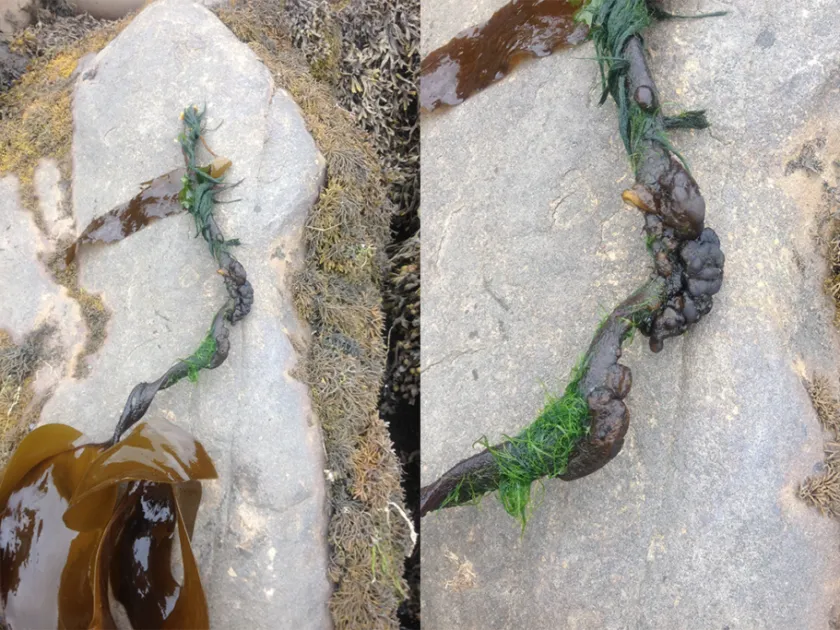
Description
Pathogen
It is critical to clarify that Alariaceae is a family of brown algae (kelp), not a plant disease or agricultural pathogen. It is a biological classification, not a phytopathological one.
These organisms belong to the order Laminariales. They are complex multicellular marine plants that are essential for coastal ecosystem stability and productivity.
They possess a specialized thallus structure, which includes a holdfast, stipe, and blades. These parts allow them to thrive in turbulent marine environments.
In botany and marine biology, these organisms are studied for their growth cycles, biomass potential, and role in marine biodiversity conservation.
There is absolutely no causal relationship between Alariaceae and any agricultural crop damage, infection, or plant disease development in land crops.
Conditions for development
The growth of Alariaceae is limited to cold-water marine environments. They are typically found in temperate and sub-arctic regions where water temperatures favor their metabolism.
Sunlight penetration is the primary driver for photosynthesis. These algae colonize shallow rocky shores to maximize their energy absorption from the sun.
Substrate type is vital, as they require solid rocks to attach their holdfasts. They cannot survive in soft sediments like silt or loose sand.
Currents and water movement are necessary to supply nutrients and oxygen. High nutrient levels in upwelling zones often support massive development of these forests.
Reproduction depends on spore release, which requires specific seasonal temperature cues and stable saline conditions to be successful.
Why it matters
Alariaceae pose zero threat to agricultural crops. As marine organisms, they occupy an entirely different ecological niche from any land-based farm crops.
They do not cause leaf spots, root rot, or any form of necrosis in terrestrial plants. They are ecologically beneficial rather than harmful.
In aquaculture and the seaweed industry, these algae are managed as a valuable natural resource for food, animal feed, and industrial production.
Confusion between this family and plant diseases is likely a terminology error. There are no known pests or pathogen interactions associated with this name.
In conclusion, the term does not represent a threat to crops, and no control or preventive measures are required for these seaweeds in any agricultural setting.
Discussion
No discussions yet — be the first.