
Alaria
Alaria
Description
Symptoms
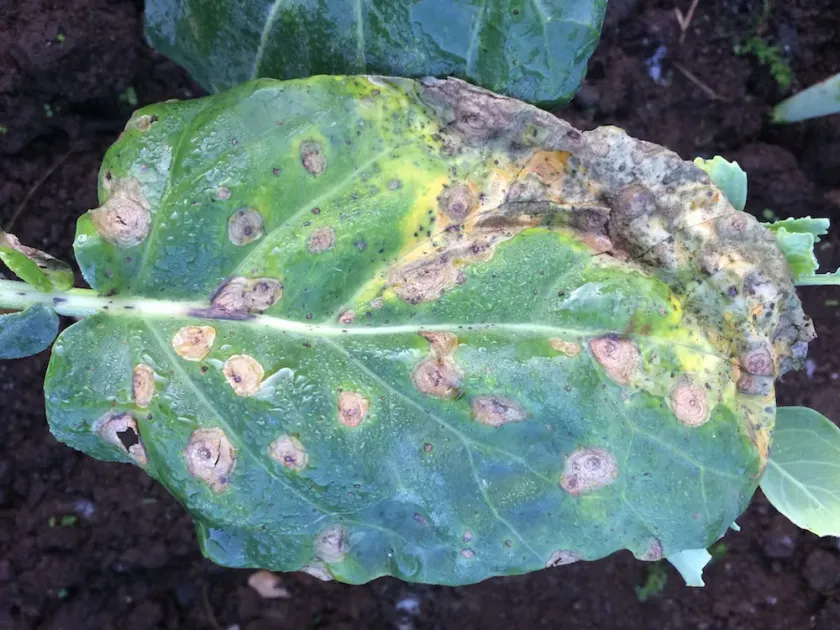
The first clinical signs of Alaria infection include the appearance of small, chlorotic spots on leaves, which gradually enlarge and turn brown as necrosis sets in.
A distinct necrotic center is often surrounded by a light-green or yellow halo, indicating the spread of fungal metabolites into surrounding healthy plant cells.
High relative humidity levels trigger the production of fungal fruiting bodies on the leaf surface, appearing as a characteristic fuzzy or dusty layer.
Severe infestations lead to premature leaf wilting, curling, and senescence, which significantly reduces the photosynthetic capacity of the affected plant.
In advanced cases, the infection moves to the stems and petioles, resulting in tissue deformation, weakness, and overall stunted growth of the plant.
Pathogen
Alaria is a genus of fungi belonging to the class Ascomycetes. These pathogens are known to cause necrotrophic damage in various plant tissues, affecting crop physiology.
The pathogen primarily disseminates through spores, which are transported across fields by wind currents, rain splashes, or contaminated agricultural machinery.
The fungal life cycle is closely linked to the developmental stages of the host plant, with the fungus exploiting nutrient resources during the active growth season.
Upon infection, the fungus penetrates the plant epidermis, colonizing the intercellular spaces and secreting toxins that degrade cell walls and cytoplasmic contents.
The persistence of the fungus in soil and crop residue ensures the inoculum is available for the next season, posing a continuous threat to susceptible crops.
Conditions for development
Alaria development is heavily dependent on high ambient humidity levels, typically exceeding 75%, combined with moderate temperatures optimal for fungal growth.
Prolonged wetness on leaf surfaces, caused by rainfall, dew, or poor greenhouse ventilation, provides the necessary environment for spore germination and tissue penetration.
Dense planting patterns that restrict airflow create a humid microclimate, significantly accelerating the secondary spread of the infection through the crop canopy.
Plants under physiological stress, often caused by nutrient deficiencies or suboptimal soil conditions, demonstrate higher susceptibility to infection.
Continuous cropping without proper rotation allows the pathogen population to build up in the soil, increasing the risk of early-season outbreaks in subsequent years.
Why it matters
The primary damage caused by Alaria is the severe reduction in photosynthetic activity, which leads to diminished biomass accumulation and lower overall yield.
Infection of reproductive tissues often leads to poor seed development, resulting in lightweight, low-quality seeds with reduced viability for future sowing.
Weakened plants become susceptible to opportunistic secondary pathogens and pests, compounding the economic loss for the farming operation.
Under favorable weather conditions for the pathogen, crop losses can reach 30% to 50%, requiring urgent intervention to prevent total field infection.
The financial burden of intensive fungicide application and potential loss of product quality substantially increase the cost of agricultural production.
Protection
Integrated management is essential for controlling Alaria, with crop rotation serving as the primary strategy to break the infection cycle of the fungus.
Sanitation practices, including the removal and destruction of crop debris after harvest, significantly reduce the primary inoculum load in the field.
Chemical control using systemic fungicides is highly effective if applied immediately upon the detection of initial disease symptoms.
- Utilizing resistant or tolerant crop varieties.
- Ensuring balanced fertilization to promote plant vigor.
- Maintaining proper plant spacing to improve canopy ventilation.
- Monitoring fields regularly to identify disease hotspots early.
A combination of prophylactic agronomic practices and precise chemical applications provides the most reliable protection against outbreaks of this pathogen.
Discussion
No discussions yet — be the first.