
Akanthomyces
Akanthomyces
Description
Pathogen
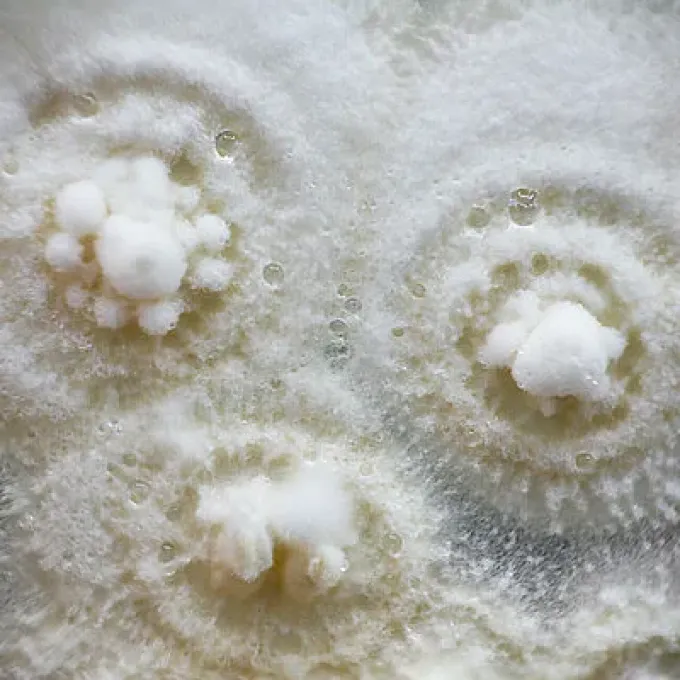
Akanthomyces is a genus of entomopathogenic fungi belonging to the family Cordycipitaceae. These fungi are not plant diseases; rather, they are beneficial microorganisms that act as natural enemies to various agricultural pests.
The fungus functions by infecting a wide range of arthropods, including whiteflies, aphids, and spider mites. Upon contact with the insect's cuticle, the fungal conidia germinate and begin to penetrate the host's body using specific mechanical and enzymatic pressure.
During the infection process, the fungus secretes chitinases and proteases, which digest the insect's outer shell. Once inside, the fungal mycelium invades the internal organs, eventually causing the host's death.
After the death of the host, the fungus typically produces spores (conidia) on the external surface of the insect carcass. These spores are then dispersed by wind or water, continuing the cycle of infection within the insect population.
In modern agriculture, specific species such as Akanthomyces lecanii are mass-produced as bioinsecticides, providing a sustainable alternative to conventional synthetic chemical pest control methods.
Conditions for development
The successful development and efficacy of Akanthomyces are highly dependent on high relative humidity levels, ideally exceeding 80%. In low-humidity environments, the spores fail to germinate efficiently.
Temperature is another critical factor; the fungus thrives in a range of +20°C to +25°C. Temperatures outside this range significantly reduce its activity and ability to infect target pests effectively.
Greenhouse environments provide the best conditions for using this biological agent, as managers can control the microclimate to ensure consistent moisture levels on the plant foliage.
Exposure to direct sunlight, particularly UV radiation, is detrimental to fungal spores. Consequently, field and greenhouse applications should be performed during dawn, dusk, or cloudy weather to protect the biological material.
Adequate water film on the leaf surface is essential for the initial germination of the conidia. Maintaining proper irrigation practices after application significantly enhances the fungal spread rate.
Why it matters
Akanthomyces is not harmful to crops, as its biological mechanism is specific to insect physiology. It is widely considered an eco-friendly tool for maintaining pest populations below economic damage thresholds.
Its primary value lies in the potential to eliminate or significantly reduce chemical pesticide residues on marketable produce. This makes it an essential component of Integrated Pest Management (IPM) programs.
Unlike chemical insecticides, this fungal pathogen poses minimal risk to soil health and water quality. It degrades naturally in the environment after the host population is depleted.
The main challenge with using this fungus is the slower speed of action compared to chemical sprays. It acts over a period of several days, requiring patience and proactive monitoring from the grower.
The long-term impact on the ecosystem is positive, as it encourages natural biological balance without the risk of developing chemical resistance among pest populations.
Protection
To maximize the effectiveness of Akanthomyces, farmers should initiate applications at the earliest signs of pest infestation, rather than waiting for a full-scale outbreak.
Uniform coverage is vital for success. The working solution must reach all plant parts, especially the undersides of leaves where insects like whiteflies and aphids usually congregate.
- Monitor insect population dynamics consistently.
- Maintain high humidity in the growing area after treatment.
- Avoid applying synthetic fungicides that may kill the beneficial fungal spores.
- Store biological products in cool, dark environments to maintain viability.
Combining the fungus with other biological control agents, such as predatory mites or parasitic wasps, can create a powerful, multi-layered defensive strategy for crops.
Regular training on the application of biological agents is necessary to ensure growers understand how to optimize microclimatic conditions for the fungus to thrive and perform its role as a biocontrol agent.
Discussion
No discussions yet — be the first.