
Ajellomycetaceae
Ajellomycetaceae
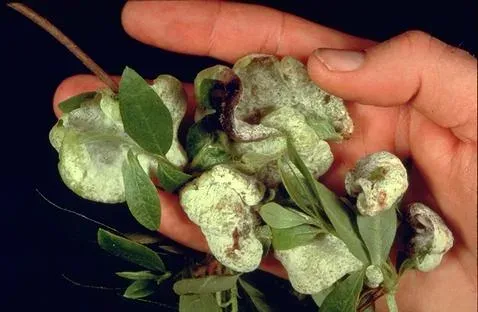
Description
Pathogen
The family Ajellomycetaceae represents a group of fungi belonging to the order Onygenales. While widely studied for their impact on animal health, their role in agricultural ecosystems as soil-borne pathogens is a critical area of concern for modern agronomists.
These fungi exhibit dimorphism, allowing them to switch between mycelial growth and yeast-like states. This biological flexibility is a key survival strategy that enables the pathogen to persist in various environmental conditions.
The dissemination of these fungi primarily occurs through soil particles carried by wind, water runoff, or agricultural machinery. Their ability to survive on decaying organic matter allows them to remain in the field even in the absence of a primary host.
Biological virulence is achieved through the production of specific enzymes that degrade plant tissues. This process compromises the integrity of roots and stems, leading to severe nutritional deficiencies in the affected crop.
Research into the molecular structure of Ajellomycetaceae continues, as their complex life cycle makes them challenging to manage with standard methods. A deeper understanding of their biology is essential for developing targeted control solutions.
Conditions for development
Environmental conditions are the primary drivers of fungal activity within this family. High soil moisture content combined with moderate temperatures creates an optimal environment for the proliferation of spores.
The fungi thrive in temperatures ranging between 20 and 30 degrees Celsius. In these favorable climates, the colonization rate of the root zone increases, often resulting in widespread outbreaks across large plots.
Soil composition is another critical factor; soils rich in organic matter provide an excellent substrate for these fungi to flourish. Improper crop residue management can significantly exacerbate the infection levels in the soil.
Soil acidity levels can influence the pathogen's development, as many species favor slightly acidic conditions. Maintaining proper soil pH levels can serve as a natural barrier against excessive fungal proliferation.
Poor soil structure and lack of aeration contribute to the creation of anaerobic pockets. When these conditions are coupled with excess water, the growth rate of the pathogen is significantly accelerated.
Why it matters
The damage caused by Ajellomycetaceae is primarily characterized by the suppression of crop development. Infected plants exhibit stunted growth, chlorosis, and a significantly diminished overall biomass.
The disruption of the vascular system prevents the efficient uptake and transport of nutrients from the soil to the upper parts of the plant. This leads to weakened plant structures and lower tolerance to environmental stress.
A significant aspect of the threat is the potential risk to agricultural workers. Because some members of this family are recognized as zoonotic pathogens, working in heavily infested soil requires stringent safety protocols.
Agricultural yields suffer both in quantity and quality, often leading to substantial financial losses for farmers. Furthermore, the presence of these fungi can limit the range of crops that can be safely planted in an infested field.
Long-term contamination of the soil requires expensive and intensive remediation efforts. This can force changes in crop planning and lead to increased dependency on chemical inputs for disease suppression.
Protection
Integrated pest management (IPM) is the most effective approach to mitigating the threat posed by these fungi. This includes the implementation of long-term crop rotation cycles to starve the pathogen of its specific host plants.
Systemic fungicides are employed in severe cases to limit the growth of the pathogen in the soil and root zones. Selection and application timing are crucial to maximizing the effectiveness of chemical treatments.
Improving soil physical conditions is a fundamental preventative measure. Enhanced drainage systems prevent waterlogging, which significantly reduces the potential for fungal proliferation in the rhizosphere.
- Implementing rigorous sanitation protocols for machinery between fields.
- Using certified and healthy planting material to avoid introducing the pathogen.
- Applying biological agents, such as competitive fungi, to suppress the growth of Ajellomycetaceae.
Consistent monitoring of soil health and plant health indicators is necessary for early detection. Early intervention strategies significantly increase the chances of successfully controlling the infection and protecting the harvest.
Discussion
No discussions yet — be the first.