
Sooty mold
Aithaloderma
Description
Symptoms
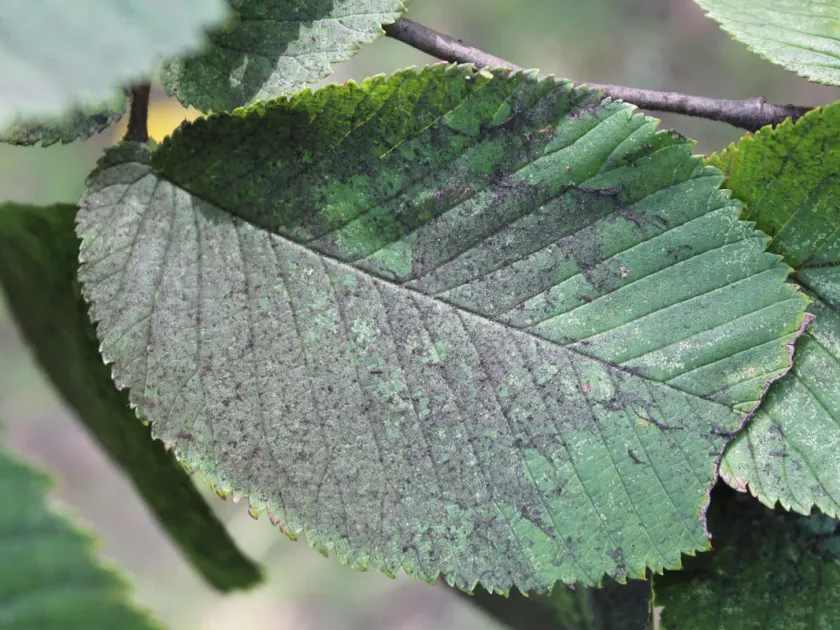
The primary symptom is the presence of a dark, powdery, or crusty coating on leaves, twigs, and sometimes fruit. On initial stages, this film can be easily wiped off with a damp cloth.
As the infection progresses, the layer becomes denser and harder to remove. The color is typically matte black or dark gray, significantly altering the visual appearance of the affected plant parts.
Fruit and foliage covered by sooty mold often look dirty and unattractive. In severe cases, the entire canopy of a tree or shrub may be covered, hiding the green color of the leaves completely.
Sticky residue or droplets of honeydew are often observed on the surface of leaves prior to the development of the fungus. If these sticky spots are seen, it is a strong indicator that sooty mold will soon follow.
If the mold persists, infected leaves may show signs of yellowing or premature senescence. This is often caused by the combined stress of the insect infestation and the limited access to sunlight.
Pathogen
Sooty mold is caused by fungi of the Aithaloderma genus. Unlike many other plant pathogens, this fungus does not infect plant tissues directly; it lives as an epiphyte on the surface of leaves, stems, and fruits.
The fungus thrives on honeydew, a sugary substance secreted by sap-sucking insects such as aphids, scale insects, whiteflies, and mealybugs. This sticky secretion provides the necessary nutrients for the fungus to colonize and grow.
The mycelium of the fungus is characterized by its dark brown or black pigmentation, caused by melanin. This gives the growth a soot-like appearance, which is why it is commonly referred to as sooty mold.
The disease is considered secondary because it rarely occurs without a prior infestation of sap-sucking insects. Controlling these insects is the most effective way to prevent the establishment of the mold.
The fungus reproduces via spores and conidia, which are easily disseminated by wind, rain splashes, or contaminated equipment. This allows the mold to spread rapidly through a garden or greenhouse environment.
Conditions for development
High humidity and warm temperatures are the most critical conditions for the development of sooty mold. These environments favor rapid mycelial growth and spore germination on the leaf surface.
The presence of a large population of sap-sucking insects is the single most important factor for the disease to occur. Without these pests to produce honeydew, the fungus lacks the substrate to thrive.
Poor ventilation in greenhouses and dense planting layouts create microclimates with stagnant air. This prevents moisture from evaporating, creating a perfect habitat for the fungus to expand.
Temperatures ranging from 20°C to 25°C are ideal for the rapid spread of the mold. In these conditions, the fungal layer can develop within days of the initial insect infestation.
Excessive overhead irrigation can also contribute to the spread of sooty mold by washing spores onto uninfected parts of the plant and maintaining a moist surface for a longer period.
Why it matters
The most significant harm caused by sooty mold is the obstruction of photosynthesis. By blocking sunlight from reaching the leaf tissues, the fungus reduces the plant's ability to produce energy.
The fungal mat can also block the stomata (the pores on leaves), which interferes with gas exchange and transpiration. This places the plant under additional physiological stress.
Sooty mold negatively impacts the market value of crops. Fruits covered in black crusts are unattractive to consumers and often rejected for sale, causing financial losses for farmers.
Plants weakened by sooty mold and the associated insect infestations are more susceptible to other diseases. This makes the plant vulnerable to secondary infections that could potentially kill the host.
In ornamental plants, sooty mold significantly reduces aesthetic quality, which is crucial for nurseries and garden owners. Restoring the plant's appearance often requires significant time and labor.
Protection
The most effective strategy is the control of sap-sucking insects. Using insecticides to target aphids, whiteflies, and scale insects eliminates the source of honeydew and prevents the mold from returning.
Regular pruning is essential to improve airflow and light penetration throughout the canopy. Removing heavily infested branches also helps to physically reduce the amount of fungus present.
Washing the affected surfaces with a mild soap solution can remove the mold and honeydew residue. This physical cleanup helps the plant recover quickly and improves its ability to perform photosynthesis.
Preventative applications of copper-based fungicides can help create a protective barrier on the leaf surface. Always follow label instructions, especially when applying to crops intended for consumption.
Adopting good cultural practices, such as proper fertilization and irrigation management, helps keep plants vigorous. A healthy, stress-free plant is more resistant to the conditions that favor sooty mold.
Discussion
No discussions yet — be the first.