
Agrocybe xanthocystis
Agrocybe xanthocystis
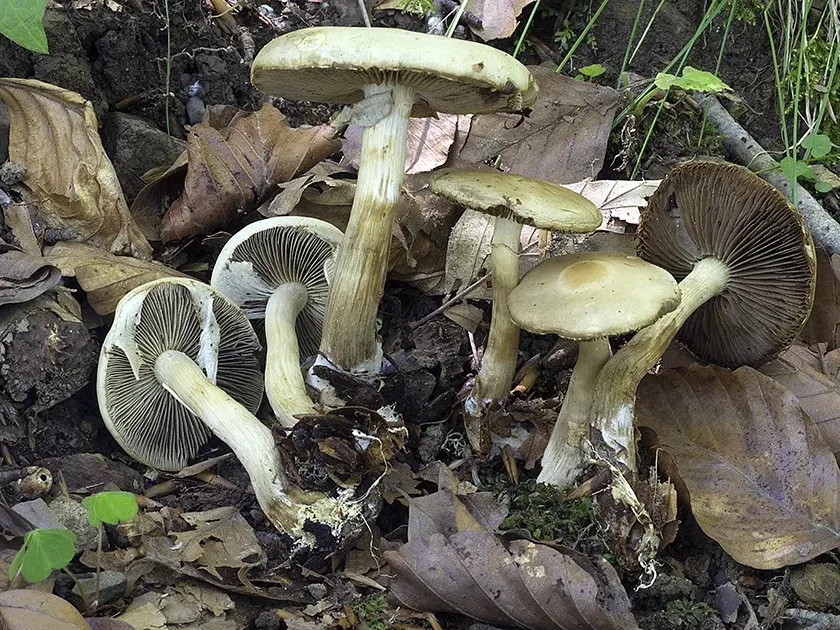
Description
Symptoms
Typical symptoms of infection include stunted plant growth, wilting of foliage, and a general decline in the plant's overall health and vigor.
A white or yellowish fungal mat may be observed around the base of the stem, particularly during periods of high humidity and limited airflow.
Infected plants may show signs of chlorosis, where leaves turn yellow due to the impairment of water and nutrient transport from the damaged root system.
The development of brownish, small fruiting bodies near the base of the plant serves as a clear indicator of a well-established mycelial colony in the substrate.
Root examination often reveals discoloration, necrosis, and reduced secondary root development compared to healthy specimens growing in the same conditions.
Pathogen
Agrocybe xanthocystis is a species of basidiomycete fungus that can exhibit facultative pathogenic characteristics in various plant cultivation environments.
This pathogen is primarily found in environments rich in organic matter, where it utilizes its mycelium to decompose cellulosic material, occasionally affecting living plant tissues.
The name of the fungus refers to its diagnostic microscopic features, specifically the yellowish cystidia found on the gills of its fruiting bodies.
As a potential pathogen, it secretes enzymes that can degrade root tissue, making plants more susceptible to environmental stress and nutrient deficiency.
The fungus is capable of surviving for extended periods in soil as mycelium, waiting for optimal moisture and temperature conditions to initiate its reproductive phase.
Conditions for development
High soil moisture levels are a critical factor for the rapid spread and establishment of Agrocybe xanthocystis in both indoor and outdoor cultivation.
Moderate temperatures ranging from +18 to +25 degrees Celsius facilitate optimal mycelial growth and the subsequent formation of fruiting bodies.
The presence of uncomposted plant debris, such as mulch, wood chips, or crop residues, provides an abundant energy source for the fungus to colonize.
Poor soil drainage and high compaction create the anaerobic pockets necessary for the fungus to thrive while suffocating the plant's root system.
Dense planting patterns that prevent proper air circulation increase the likelihood of local humidity spikes, favoring the pathogen's rapid expansion.
Why it matters
The primary damage caused by this fungus involves the suppression of plant development and the potential for total crop failure in susceptible populations.
By damaging the roots, the fungus significantly reduces the plant's ability to absorb essential minerals, leading to decreased yields and poor product quality.
Persistent presence of the pathogen in the soil necessitates intensive remediation efforts, increasing the operational costs for the agricultural facility.
The fungus can act as a bridge for other soil-borne diseases, creating entry points for bacteria and viruses that further destroy the plant's vascular system.
In cases of severe infestation, the loss of plant uniformity across the field requires costly replanting and disrupts established harvest cycles.
Protection
Effective management begins with rigorous field sanitation, specifically the removal of all organic debris that could host the fungal mycelium.
Improving soil structure through aeration and ensuring proper drainage are essential to mitigate the conditions that favor fungal development.
The use of fungicides should be carefully considered and integrated into a broader pest management strategy to minimize the impact of the pathogen.
Crop rotation remains one of the most effective ways to manage soil-borne fungi by altering the availability of preferred substrates for the pathogen.
- Regular monitoring of soil moisture levels to avoid overwatering.
- Application of beneficial soil microbes to outcompete fungal growth.
- Strategic selection of resistant plant varieties where possible.
Discussion
No discussions yet — be the first.