
Agaricus subperonatus
Agaricus subperonatus
Description
Symptoms
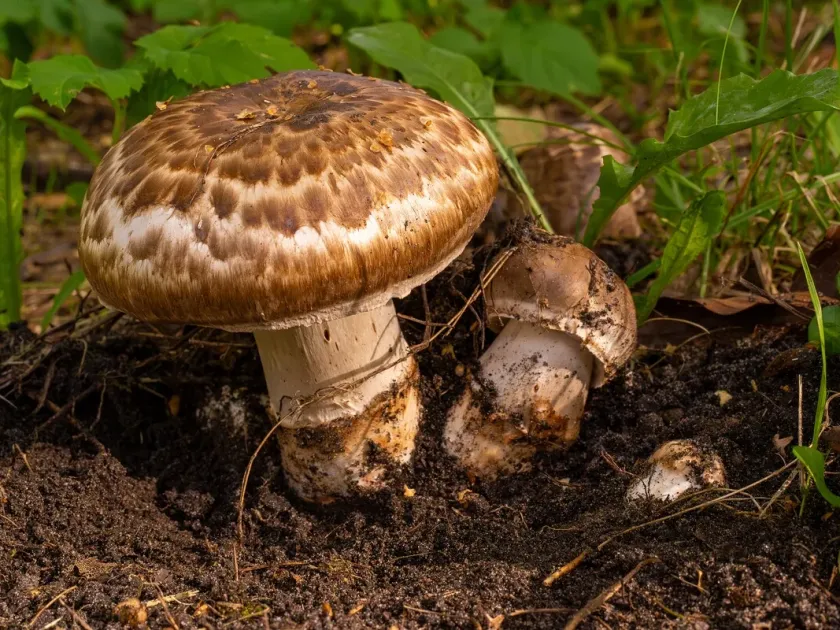
The primary sign of infection is the development of fruit bodies that differ from the cultivated Agaricus bisporus. These mushrooms often feature a thicker, stockier stem with a distinct ringed or "booted" base.
Growth is typically faster than that of the target crop, leading to uneven primordia formation. This creates significant inconsistencies in harvest timing and reduces the quality of the marketable mushrooms.
The caps may appear brownish or off-white, frequently showing a scaly texture. As they mature, the gills darken significantly, and the flesh may show minor bruising or color changes when damaged.
Within the compost, the mycelium appears as dense, white cords that permeate the substrate deeply. This activity destroys the physical structure of the compost and alters its nutrient availability.
A noticeable shift in the smell of the growing room is often reported by professional growers. When Agaricus subperonatus proliferates, it emits an odor distinct from the pleasant mushroom scent of the primary crop.
Pathogen
Agaricus subperonatus is a fungal species that, in commercial mushroom production, is classified as a competitor or weed organism rather than a traditional plant disease. It invades substrates intended for the cultivated button mushroom, Agaricus bisporus.
The mycelium of this species is characterized by its high vigor and rapid colonization rate. It competes directly with the commercial strain for space and nutrients within the compost, often outgrowing the cultivated mushroom.
Being a saprotrophic organism, it thrives in the same environments used for button mushroom cultivation. Its presence indicates a breakdown in substrate pasteurization protocols, allowing this robust species to establish itself.
The biological nature of Agaricus subperonatus allows it to survive in various conditions, making it difficult to eradicate once it has settled into the growing room environment.
Its genetic closeness to the cultivated mushroom makes it difficult for growers to distinguish the weed mycelium from the crop during the early stages of colonizing the compost blocks.
Conditions for development
The development of this species is driven primarily by inadequate pasteurization during the compost preparation phase. If the compost core does not reach the required temperature, spores survive.
High humidity levels and optimal temperatures required for the main crop also provide perfect conditions for the weed to spread. Lack of proper airflow allows these conditions to remain stagnant.
Spores enter through poorly managed air filtration systems, contaminated tools, or unsterilized casing material. Once inside, the fungus spreads rapidly via airborne spores or physical contact.
Insufficient hygiene practices between cropping cycles create reservoirs for the fungus. It can persist on floor cracks, shelving, and equipment, waiting for the next cycle to begin.
Poor sanitation management and lack of entry control for workers and materials significantly increase the risk of an outbreak in modern mushroom facilities.
Why it matters
The economic impact is severe due to direct competition for nutrients, which can reduce the yield of commercial mushrooms by up to 50% in heavily infested areas.
The presence of weed mushrooms complicates harvesting and sorting operations, leading to higher labor costs and decreased overall product quality for the consumer.
Widespread growth of the fungus can lead to the total degradation of the substrate, necessitating the premature disposal of entire compost batches and representing a total loss of investment.
The decaying matter of the weed mushrooms can attract various pests, such as sciarid flies, and create a breeding ground for harmful bacteria that can affect the whole crop.
Financial losses are compounded by the need for increased cleaning and disinfecting procedures, which are mandatory to prevent re-infestation of future cycles.
Protection
The most effective strategy is the rigorous enforcement of substrate pasteurization protocols. Ensuring that every part of the compost reaches the target temperature is critical to killing spores.
Regular sanitation of the facility, including tools, equipment, and walls, using professional-grade fungicides and disinfectants is essential to maintaining a clean environment.
Only sterilized casing material should be used. Using raw or untreated peat can introduce contamination, so heat-treating the casing is a standard industry best practice.
Promptly removing and disposing of any atypical mushrooms found during the monitoring phase is vital to preventing spore dispersal and further colonization of the facility.
- Continuous monitoring for early signs of atypical growth.
- Use of high-efficiency air filtration systems to block spore entry.
- Strict adherence to hygiene protocols by all personnel.
- Complete room sterilization after the final harvest of each cycle.
Discussion
No discussions yet — be the first.