
Agaricus moellerianus
Agaricus moellerianus
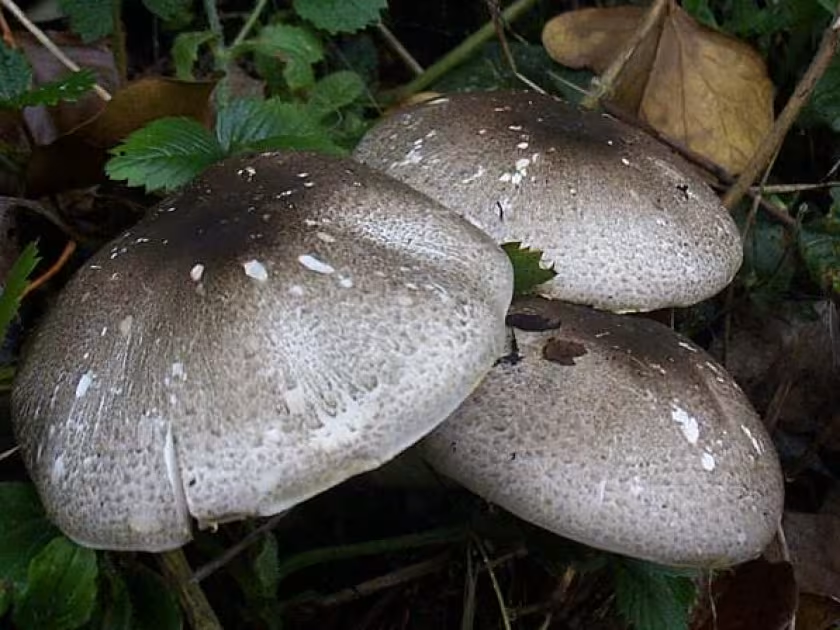
Description
Symptoms
The main identifying feature is the presence of fruit bodies that exhibit yellowing of the flesh when cut or bruised.
A distinct phenolic or chemical-like odor is emitted by the mushroom, especially when the cap surface is rubbed or the tissue is damaged.
The cap typically features a scaly texture and a whitish to grayish appearance, making it visually distinct from high-quality commercial varieties.
Growth often occurs prematurely in the mushroom blocks, signaling a competitive infestation before the main harvest begins.
- Yellow bruising on the flesh.
- Characteristic chemical-like phenolic scent.
- Early appearance of fruit bodies.
Pathogen
Agaricus moellerianus is a fungus known in agricultural contexts as an undesirable species that competes with commercial mushroom crops.
This organism acts as a saprotroph and often colonizes compost substrates intended for Agaricus bisporus production.
It is characterized by its high adaptability, which allows it to thrive in the same environmental conditions as the targeted commercial mushrooms.
The mycelium of this fungus is aggressive and can rapidly dominate the substrate if the cultivation medium is not sufficiently selective.
The biological nature of the fungus involves a high production of spores that easily disperse throughout the growing facility.
Conditions for development
Poorly pasteurized compost is the primary driver for the development of Agaricus moellerianus in cultivation chambers.
High humidity levels combined with poor air circulation create an environment that favors the rapid spread of this fungal species.
Infected casing soil is frequently identified as the primary vector for introducing the fungus into the growing environment.
Temperature fluctuations within the facility can trigger more aggressive spore production and mycelial growth of the pathogen.
Lack of proper hygiene protocols between cropping cycles leads to the accumulation of spores, increasing the risk of subsequent outbreaks.
Why it matters
The presence of this fungus significantly reduces the yield of commercial mushrooms by depleting essential nutrients from the compost.
In addition to resource competition, it may secrete metabolites that inhibit the growth and vigor of the intended crop mycelium.
The fruit bodies are not meant for human consumption, and their presence in harvested batches lowers the overall product quality and safety.
Financial losses occur due to the necessity of discarding contaminated mushroom blocks and the increased costs associated with decontamination.
Persistent infestations require intensive management, which can disrupt the entire production cycle of the farm.
Protection
Strict adherence to composting and pasteurization protocols is essential to eliminate any potential sources of infestation.
Only verified and sterilized casing material should be used to prevent the introduction of foreign fungal spores into the system.
Regular sanitation of all equipment and growing surfaces with approved disinfectants is critical for maintaining a clean environment.
Immediate removal and safe disposal of any suspected fruit bodies are necessary to minimize the risk of secondary spore dispersion.
Implementing advanced filtration systems and rigorous access controls helps maintain the integrity of the cultivation area.
Discussion
No discussions yet — be the first.