
Woolly-stalked Agaricus
Agaricus lanipes
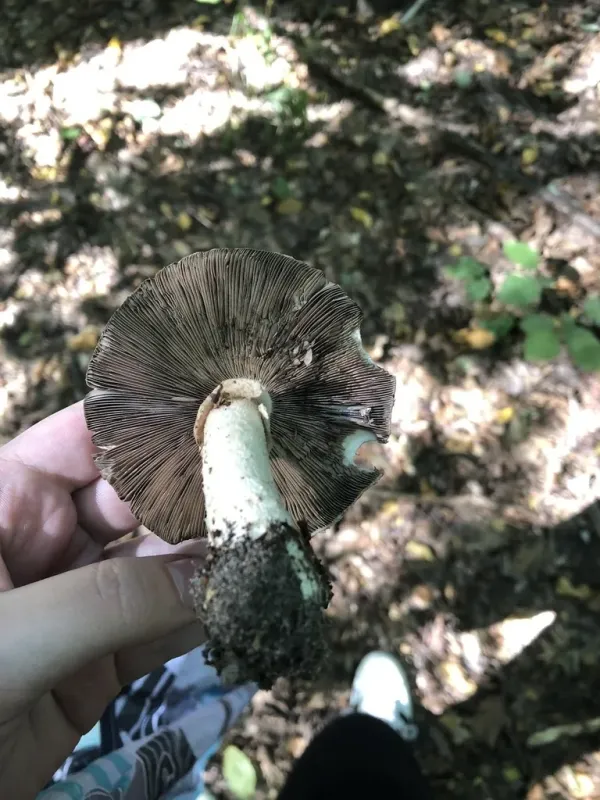
Description
Symptoms
The primary symptom of infection is the emergence of undesired fruit bodies that differ morphologically from the cultivated variety.
The mycelium of Agaricus lanipes forms dense white rhizomorphs that colonize the casing layer and substrate much faster than the commercial strain.
The stalks of the fruit bodies display a characteristic woolly or scaly texture, which is a clear diagnostic feature for growers.
A significant reduction in the number of healthy primordia is observed in areas where the competitor fungus has established itself.
The substrate may develop an unpleasant, musty odor as the competitor fungus alters the biochemical environment within the compost.
Pathogen
The pathogen in question is Agaricus lanipes, which is recognized by professional mushroom growers as a harmful competitor fungus.
Unlike the cultivated Agaricus species, this fungus has a robust mycelial growth that allows it to outcompete and displace the main crop in the substrate.
It acts as an aggressive saprotroph that thrives by exploiting the nutrients meant for the commercial mushroom variety.
The species is identified by its specific morphological features, particularly the fine woolly scales found on the stipe (stalk).
Its presence in commercial facilities is often an indicator of failures in the pasteurization or composting process, which allows contaminants to survive.
Conditions for development
Favorable conditions for its growth include high humidity and temperatures ranging from 20 to 25 degrees Celsius, typical for the incubation phase.
Inadequate heat treatment of the substrate remains the most common factor that leads to the successful colonization by this species.
Poor ventilation within the growing rooms creates stagnant microclimates that encourage the rapid dispersal of fungal spores.
Contaminated peat used as a casing soil is frequently identified as the entry point for the pathogen into the production cycle.
Failure to maintain strict sanitation protocols within the facility allows the pathogen to accumulate over time.
Why it matters
The major harm caused by this fungus is the total yield reduction in affected areas due to the depletion of substrate nutrients.
Economic losses are compounded by the necessity to discard entire batches and disinfect growing chambers that have become infested.
The quality of the remaining commercial crop can be negatively impacted by the competition for environmental space and resources.
Persistent presence of this fungus makes it difficult to achieve consistent cropping cycles, leading to reduced farm profitability.
It disrupts the biological balance required for the success of commercial mushroom cultivation, acting as a direct threat to production efficiency.
Protection
Strict adherence to composting and pasteurization protocols is the most effective defense against the establishment of this fungus.
Maintaining high hygiene standards through regular disinfection of all tools, surfaces, and ventilation systems is critical.
growers should monitor the quality of casing materials and water sources to ensure they are free from potential spore contamination.
Rapid detection and physical removal of infested areas can prevent the spread of spores, although total containment is difficult once established.
- Regular monitoring of mushroom growing chambers.
- Utilization of standardized, high-quality mushroom spawn.
- Optimization of microclimate parameters to favor the main crop.
Discussion
No discussions yet — be the first.