
Agaricus dulcidulus
Agaricus dulcidulus
Description
Symptoms
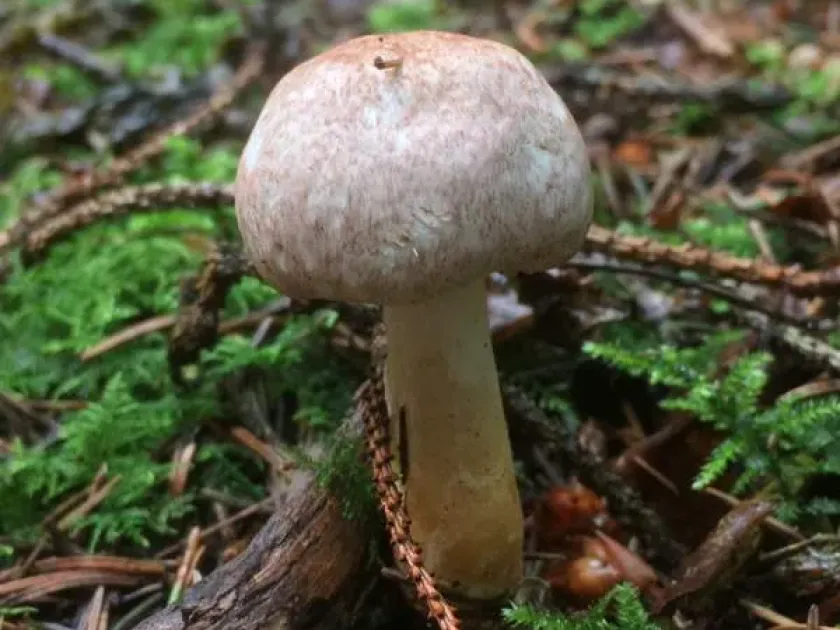
Agaricus dulcidulus is a small agaric mushroom typically featuring a cap diameter ranging from 2 to 5 centimeters.
The young caps are hemispherical in shape, gradually expanding to a flatter form with a distinct small bump at the center.
The surface of the cap is covered with fine scales, often presenting colors that shift from pale yellow to a soft pinkish-brown tone.
The gills are initially whitish in young specimens but transition to a characteristic pinkish shade and eventually mature into deep dark brown.
The stalk is slender and cylindrical, often displaying a delicate ring that tends to fade quickly as the mushroom ages.
Pathogen
It is critical to note that Agaricus dulcidulus is not a plant pathogen and does not cause diseases in agricultural crops.
This species is a typical saprotroph, meaning it derives its nutrition solely from decaying organic matter rather than living plant tissues.
Its mycelium develops within the surface soil layer or leaf litter, effectively acting as a recycler of plant-based materials.
The fungus lacks the biological capacity to infect garden or field crops, posing zero threat to agricultural productivity.
In the field of agronomy, this species is classified as beneficial soil microbiota rather than a pest or disease agent.
Conditions for development
The species thrives in deciduous and mixed forest environments, where thick layers of organic debris provide a stable substrate for growth.
Optimal development conditions include moderate temperatures combined with high humidity, typical of shaded woodland habitats.
Fruiting bodies are most commonly observed during the late summer and autumn months when rainfall is sufficient to maintain soil moisture.
The presence of abundant humic substances in the soil is the primary factor supporting the active growth of this fungal mycelium.
As a sensitive species, it prefers stable microclimates protected from extreme temperature fluctuations and direct solar exposure.
Why it matters
There is absolutely no harm associated with Agaricus dulcidulus in an agricultural context, as it does not parasitize crops.
The presence of this fungus is often a sign of healthy, nutrient-rich soil that contains a high volume of decomposable organic content.
Because it does not attack living plant organs, no damage to roots, stems, or foliage occurs due to its presence.
Farmers and gardeners need not worry about this species, as it essentially assists in the process of natural soil fertilization.
Misidentifying this helpful saprotroph as a plant disease can lead to unnecessary and potentially harmful use of chemical pesticides.
Protection
Since Agaricus dulcidulus is not harmful, there are no control measures or chemical eradication strategies recommended.
If the growth of fruit bodies is aesthetically undesirable, regular soil aeration and the removal of excessive leaf litter will naturally limit them.
Using fungicides to target this mushroom is counterproductive, as it disrupts the beneficial fungal balance of the soil ecosystem.
Standard agronomic practices such as maintaining optimal moisture levels and good drainage are sufficient for managing garden beds.
The best approach is to welcome these mushrooms as natural indicators of a robust and biologically active soil environment.
Discussion
No discussions yet — be the first.