
Agaricus cupreobrunneus
Agaricus cupreobrunneus
Description
Symptoms
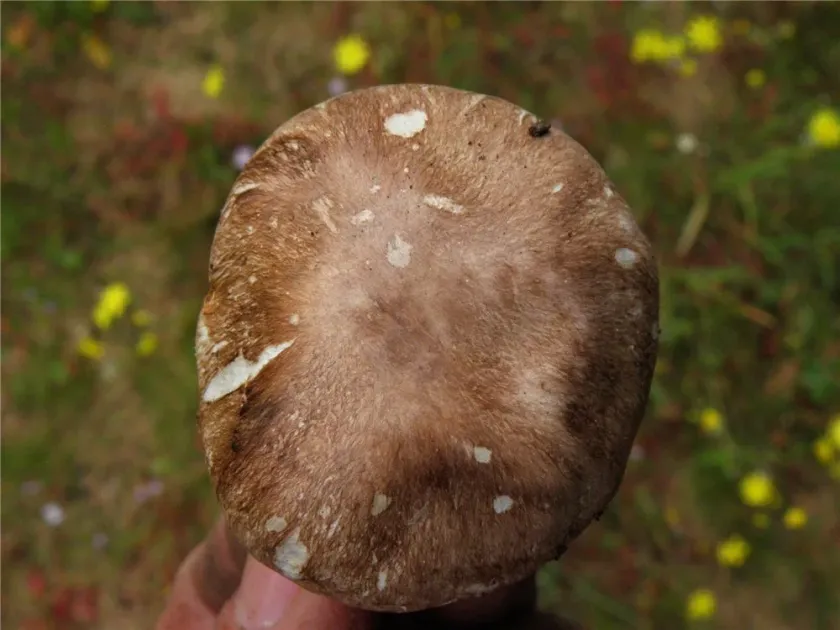
The fruit bodies of Agaricus cupreobrunneus are characterized by a distinct copper-brown colored cap, which is a key diagnostic feature.
The surface of the cap typically exhibits a scaly texture, becoming more pronounced as the mushroom matures under various environmental conditions.
Young specimens display pinkish gills that gradually turn dark brown to black as the spores reach maturity and begin to disperse.
The stipe is robust and equipped with a well-defined single-layer ring, which may appear somewhat ephemeral as the mushroom ages.
When the flesh is cut or bruised, it often shows a subtle reddish discoloration, helping to differentiate it from other soil-dwelling species.
Pathogen
Agaricus cupreobrunneus is not a plant pathogen; it is a saprophytic fungus that plays an essential role in breaking down organic matter.
The fungus does not infect or damage agricultural crops, as it relies on dead organic material rather than living plant tissues for its nutrition.
It belongs to the order Agaricales and contributes to soil health by cycling nutrients and improving the overall composition of the soil substrate.
Unlike parasitic fungi, this species has no mechanism to invade plant roots or foliage, making it completely harmless to commercial crop production.
Biologically, it is a beneficial decomposer that functions within the soil food web to recycle essential mineral elements.
Conditions for development
The fungus prefers nutrient-rich, dense soils, frequently appearing in pastures, meadows, and areas with high organic matter content.
Moderate temperatures and high soil moisture, particularly after rainfall, trigger the rapid development of its fruiting bodies.
It shows a high adaptability to various climate types and is often found in anthropogenically modified environments like fertilized fields.
The presence of organic debris, such as manure or crop residues, provides an ideal substrate for the proliferation of its subterranean mycelium.
Seasonal fluctuations in weather directly influence the fruiting cycles, with peak production occurring during periods of increased humidity.
Why it matters
There is no evidence of harm caused by Agaricus cupreobrunneus to agricultural systems, as it does not compete with or suppress crop growth.
As a saprophyte, it aids in the decomposition process, which can potentially benefit soil fertility over the long term.
The presence of this fungus on agricultural land is considered a sign of healthy biological activity rather than a problem for farmers.
No economic damage, yield reduction, or crop disease outbreaks are associated with the growth of this specific mushroom species.
It remains a benign component of the ecosystem, posing no risk to food security or the phytosanitary status of farmland.
Protection
No protection measures are required for Agaricus cupreobrunneus since it poses no threat to plant health or economic stability.
If the appearance of mushrooms is undesired in landscaped areas, mechanical removal of the fruit bodies is the most appropriate method.
Fungicide application is neither recommended nor effective, as it would unnecessarily disturb the balance of beneficial soil microorganisms.
Standard agrotechnical practices, such as maintaining proper soil drainage and aeration, are sufficient to manage general soil fungal activity.
Farmers should view this fungus as a natural part of the local microflora and focus on crops rather than its control.
Discussion
No discussions yet — be the first.