
Agaricus crocopeplus
Agaricus crocopeplus
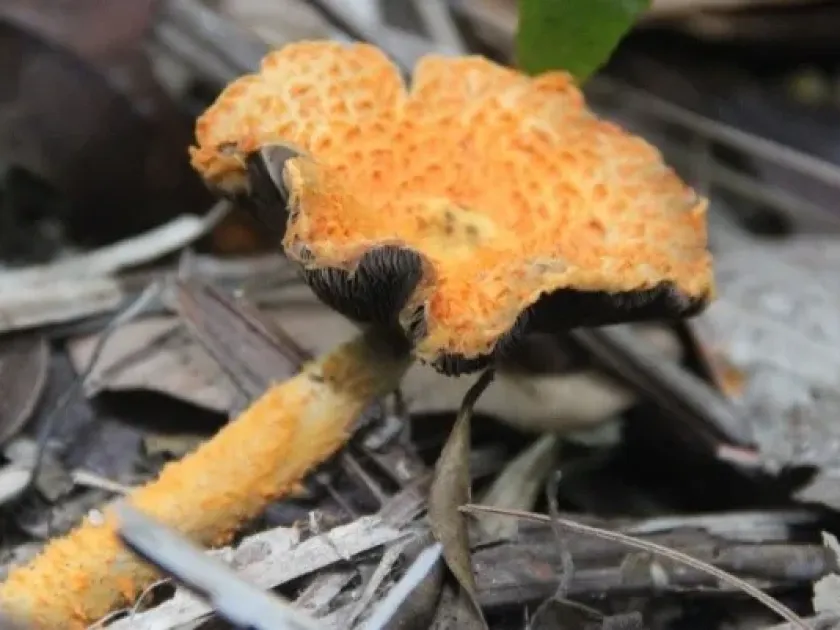
Description
Symptoms
Early symptoms include the appearance of a white or cream-colored fungal mat (mycelium) around the base of the stem or root collar area.
As the infection progresses, affected tissues turn soft, brown, and often exhibit a distinct musty or mushroom-like odor indicative of decay.
Plants display symptoms of nutrient and water deficiency, such as yellowing leaves (chlorosis), wilting during the day, and overall stunted development.
In high humidity, visible fruiting bodies of the fungus may emerge near the base of the plant, serving as a clear diagnostic feature.
- mycelial growth on the root collar;
- softening of stem tissues;
- chlorosis and premature wilting;
- fruiting body development;
- musty odor from the soil.
Pathogen
Agaricus crocopeplus is a fungal species that occasionally acts as a pathogen in specific agronomic conditions, affecting various plant species.
Primarily known as a saprotroph, it can adapt to colonize weakened or damaged plant tissues when the plant's natural defense mechanisms are compromised.
The disease is characterized by the colonization of root systems or root collars, which typically leads to localized necrosis or soft rot.
The mycelium of the pathogen is highly aggressive in organic-rich soils, using enzymatic degradation to break down plant cell walls for nutrient acquisition.
Spore dissemination occurs primarily through water splashes, contaminated soil movement, or infected horticultural tools during routine maintenance.
Conditions for development
High soil moisture levels and poor aeration are the primary conditions that facilitate the rapid colonization of Agaricus crocopeplus.
Temperature ranges between 18°C and 25°C provide an optimal environment for both spore germination and vegetative mycelial expansion.
Accumulated, non-decomposed plant debris in the soil serves as a substantial reservoir for the fungus before it moves to attack living plant tissues.
Poor ventilation in greenhouse environments, combined with high humidity, creates a microclimate that drastically accelerates the spread of the infection.
Mechanical stress, such as pruning wounds or transplant shock, provides the necessary entry points for the fungus to establish itself successfully.
Why it matters
The primary harm is the destruction of the vascular system, preventing the effective translocation of water and essential minerals to the upper plant parts.
The resulting root system damage limits the plant's ability to maintain structural integrity, leading to reduced vigor and eventual collapse.
Epidemic outbreaks in nursery settings can lead to significant seedling mortality, causing severe economic strain on commercial horticultural operations.
Secondary infections by soil-borne bacteria often follow the initial fungal colonization, further complicating the pathology and increasing the likelihood of plant death.
The loss of plant productivity and quality significantly affects market value, particularly for high-value ornamental and berry crops.
Protection
The cornerstone of management is strict irrigation control and the implementation of robust drainage systems to prevent waterlogged soil conditions.
Regular sanitation, including the removal of dead plant material and the disinfection of tools, is crucial to breaking the disease cycle.
The strategic application of systemic fungicides, particularly those effective against basidiomycetes, can help manage or contain early-stage infestations.
Promoting soil health through the use of beneficial microorganisms can create competitive exclusion, suppressing the growth of harmful fungi.
Strategic spacing and proper ventilation in protected cropping systems are vital for maintaining a microclimate unfavorable to fungal proliferation.
Discussion
No discussions yet — be the first.