
Agaricus comtuliformis
Agaricus comtuliformis
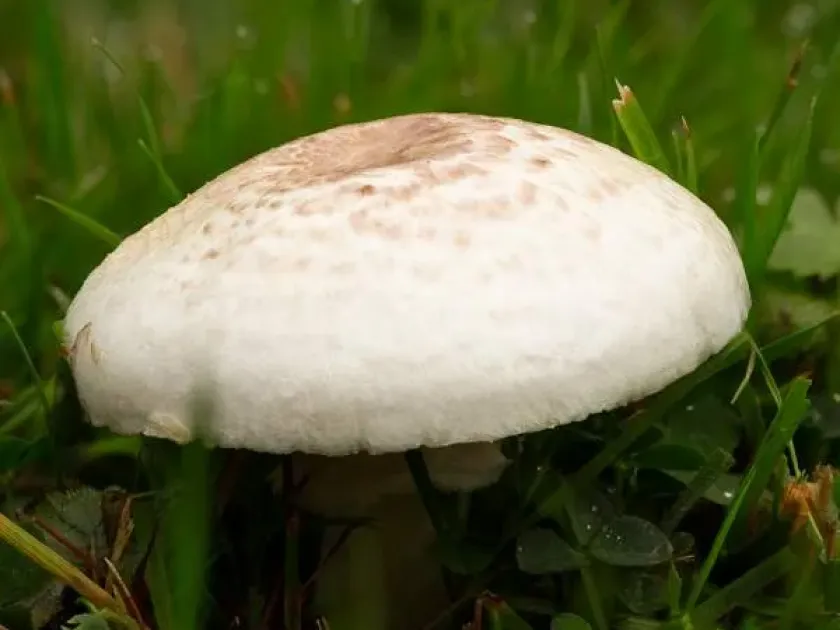
Description
Symptoms
The most visible signs of Agaricus comtuliformis infestation include the appearance of dense white mycelial mats on the compost surface during the spawn run stage. This mycelium can be easily confused with the target mushroom species at first glance.
The primary diagnostic marker is the premature or uneven emergence of small, scaly-capped mushrooms that do not match the morphological characteristics of the commercial variety being grown.
The gills of young specimens typically display a pinkish hue, eventually turning dark brown or black as the spores mature. This maturation cycle is often asynchronous with the commercial crop.
The stem usually bears a ring, and the flesh often yellows upon bruising or mechanical damage. This yellowing reaction is a key identification feature distinguishing it from the standard white button mushroom.
Reduced yield density and the appearance of 'bare patches' in the growing beds are secondary signs, indicating that the Agaricus comtuliformis colony is effectively displacing the cultured mushroom mycelium.
Pathogen
Agaricus comtuliformis is a species of gilled mushroom in the Agaricaceae family. In the context of industrial mushroom cultivation, it is not considered a primary pathogen of crops but rather a weed fungus that competes for nutrients in mushroom production substrates.
This species is a saprotrophic basidiomycete. In natural ecosystems, it thrives on decaying organic matter. In a controlled farm environment, it becomes an unwelcome visitor when the substrate or the casing soil has not been sufficiently sterilized.
From a biological perspective, it is closely related to other small Agaricus species. Its mycelium is highly resilient, allowing it to colonize compost rapidly if the environment is not dominated by the commercial spawn strain.
The fungus progresses through mycelial expansion to the formation of fruiting bodies. In industrial settings, the presence of these mushrooms is often indicative of lapses in the composting or pasteurization process.
Scientific research into this species highlights its role in the ecosystem of mycological farms as a biological indicator of the substrate's purity and the overall effectiveness of sanitization protocols.
Conditions for development
Growth is strongly favored by temperatures between 18°C and 24°C and high humidity levels. These conditions overlap with the optimal climate for commercial mushroom production, making it difficult to manage via climate adjustment alone.
Spores are dispersed through the air and can travel via ventilation systems, tools, and clothing. Proper air filtration is crucial to prevent the ingress of foreign spores into clean-room production areas.
Inadequate heat treatment of compost is the primary facilitator of development. If the pasteurization phase fails to reach the necessary thermal threshold, the spores of this species can survive and sprout within the new substrate.
The quality of the casing soil is another vector for contamination. If the soil is not treated properly or is sourced from contaminated environments, it can introduce the fungus into the mushroom house.
High moisture levels in the casing layer promote the development of Agaricus comtuliformis, as the fungus is well-adapted to damp, organic-rich environments found in mushroom farming operations.
Why it matters
The main economic harm is competition for space and nutrients. By colonizing the compost, the fungus inhibits the development of the primary crop, leading to overall lower yields and reduced efficiency per square meter of the farm.
The market value of the harvest decreases significantly when commercial batches are contaminated with unwanted species, necessitating extensive manual sorting and increasing labor costs.
Product rejection by retailers is a significant risk, as the presence of non-target mushroom species violates quality standards and compromises the brand integrity of the mushroom grower.
Heavy infestations can lead to a build-up of inoculum in the facility, which creates a cycle of persistent contamination that requires expensive, large-scale disinfection procedures.
Losses are compounded by the downtime required for cleaning and re-sterilization of the facility to remove the spores of the competitor fungus after an infestation has occurred.
Protection
The foundational defense strategy is strict adherence to pasteurization protocols. Ensuring that every part of the substrate reaches the required temperature for the duration of the cycle is vital to kill competing fungal spores.
Proactive hygiene measures, including the disinfection of equipment, tools, and staff pathways, are essential. Preventing the mechanical transfer of spores between different growing rooms is a top priority.
Regular monitoring of the environment using air sampling can help detect the presence of unwanted spores before they colonize the substrate. Filtration systems should be checked and maintained according to schedule.
Casing soil must undergo rigorous heat treatment or sterilization before being applied to the growing blocks to ensure it is free from unwanted mushroom spores.
Upon detection, infected beds should be promptly isolated and removed from the farm. The localized area must be treated with appropriate disinfectants to minimize the risk of spores dispersing to neighboring healthy beds.
Discussion
No discussions yet — be the first.