
Agaricostilbaceae
Agaricostilbaceae
Description
Symptoms
The primary visual sign of the disease is the formation of small, characteristic columns or growths on the surface of bark or shoots, ranging in color from cream to pinkish hues.
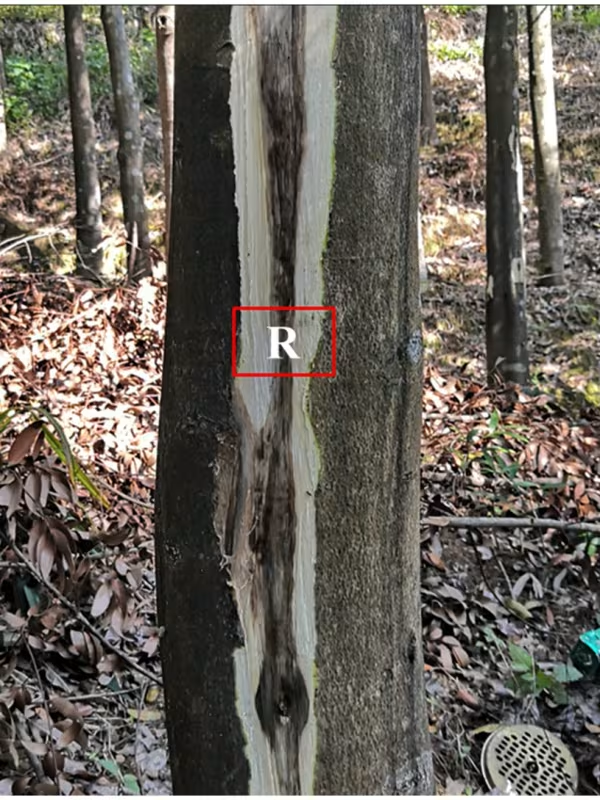
Necrotic spots on stems and trunks often exhibit distinct margins and dark coloration, indicating the active enzymatic action of the pathogen on the host plant's cells.
Deep infections lead to exudate discharge, which is a defensive response to the damage of the cambium and disruption of sap flow, ultimately causing the wilting of leaves and young shoots.
The surface of affected areas may become soft or spongy due to the destruction of cell walls by fungal enzymes, facilitating the deeper penetration of the infection into the tissues.
During inspections, one can detect spore clusters that resemble a coating, which can be easily carried by wind or raindrops to neighboring healthy plants, expanding the infection zone.
Pathogen
The Agaricostilbaceae family comprises a group of basidiomycetous fungi that, in a phytopathological context, often act as mycoparasites or saprotrophs. They can transition to a pathogenic lifestyle, affecting both woody and herbaceous plant tissues.
These pathogens are characterized by the development of specific stilboid conidiomata, which serve as a primary diagnostic feature during microscopic identification. This unique structure facilitates the dispersal of spores within the crop environment.
The disease type is typically associated with the degradation of lignin and cellulose, leading to necrotic changes in the localized areas of fungal colonization. They frequently co-occur with wood-boring insects, which act as vectors for the infection.
The biological cycle of the Agaricostilbales order is complex and requires specific humidity levels for the successful germination of conidia and subsequent infection of healthy plant host tissues.
These fungi are considered opportunistic, as they more often strike weakened plants where physical barriers have already been compromised by mechanical damage or other environmental stressors.
Conditions for development
The primary conditions for the intensive development of these fungi are consistently high air humidity, particularly in greenhouses or dense plantings where condensation accumulates.
A temperature range of +18°C to +25°C is ideal for the fungal metabolic processes, ensuring rapid colonization of the substrate and the formation of new sporulation organs.
The presence of wounds, cracks, frost damage, or insect-caused injuries significantly increases the likelihood of infection, as the fungus uses these entry points for direct access to nutrients.
Densely planted areas with poor aeration create an ideal microclimate for the survival of fungal spores on plant surfaces for long periods until favorable conditions occur.
Neglecting agronomic practices, such as the failure to remove infected plant parts, contributes to the accumulation of inoculum in the soil or on plant debris, serving as a source of primary infection.
Why it matters
The harm caused by Agaricostilbaceae manifests in the reduction of plant physiological activity, leading to stunted growth and impaired development during the growing season.
For fruit crops, the infection is dangerous due to damage to fruits, making them unsuitable for sale or long-term storage due to the development of various rots.
Woody plants suffer from the gradual destruction of tissues, which lowers the ornamental value and the tree's resilience to other environmental stress factors.
Widespread occurrence of the disease in nurseries leads to the loss of a significant portion of planting material, causing serious financial losses for the enterprise.
The long-term impact of the fungus can weaken an entire plantation, making it vulnerable to secondary infections that eventually destroy the productive stands.
Protection
Comprehensive protection includes the mandatory removal and burning of all infected plant parts to prevent the further spread of spores across the site.
The use of fungicides, particularly those containing copper or systemic active ingredients, effectively halts the development of fungal mycelium in the early stages of the disease.
It is crucial to ensure proper pruning to guarantee normal air circulation within the canopy, thereby reducing humidity and the risk of infection.
Preventive treatment of pruning sites and wounds with horticultural sealants or specialized antiseptic pastes prevents the pathogen from penetrating healthy tree tissues.
- Maintain spatial isolation between different crop species.
- Use disease-resistant cultivars and hybrids.
- Regularly disinfect gardening tools to prevent cross-contamination.
Discussion
No discussions yet — be the first.