
Agaricomycetes
Agaricomycotina
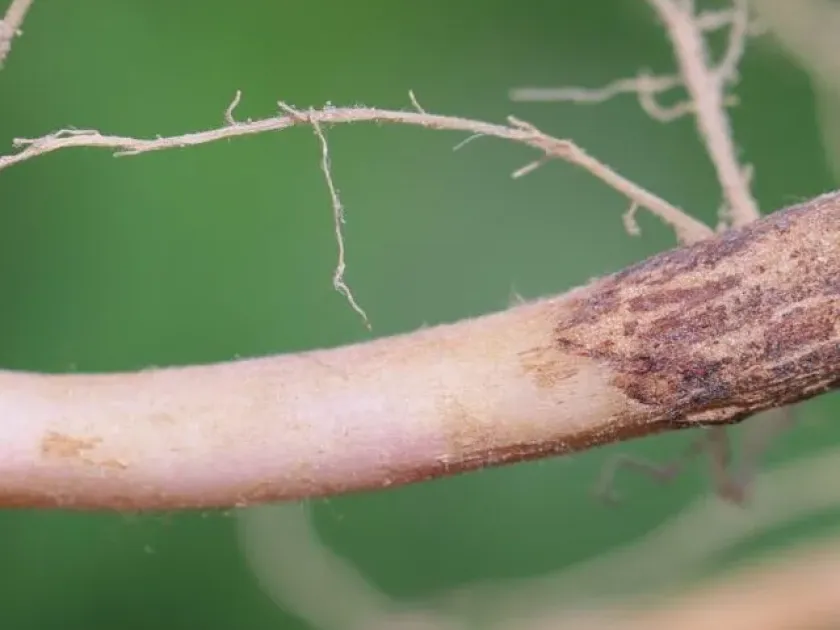
Description
Symptoms
The most distinctive symptom of an Agaricomycetes infection is the appearance of fruiting bodies, such as conks, brackets, or mushrooms, on the trunk or branches.
Infected wood undergoes visible changes in texture and color, often becoming soft, bleached, or dark brown, depending on the specific type of decay.
Foliar symptoms may include premature yellowing, reduced leaf size, and branch dieback, reflecting the plant's inability to transport nutrients effectively.
Roots affected by these fungi often lose their anchoring strength, leading to sudden tree failure or uprooting during high wind conditions.
Internal hollows and structural weakness are common indicators that the fungal infection has reached an advanced stage, compromising the host's vitality.
Pathogen
Agaricomycetes (Agaricomycotina) represent a diverse class of basidiomycete fungi, including most of the well-known wood-decaying species.
In agriculture and forestry, they act as primary pathogens capable of causing systemic infections in perennial crops, trees, and shrubs.
These fungi function primarily as saprotrophs but frequently transition to parasitic activity when a host plant becomes stressed or weakened.
They utilize powerful extracellular enzymes to degrade lignin and cellulose, which are the fundamental structural components of woody plant tissues.
Once established, the mycelium penetrates deeply into the xylem, causing structural decay that is often irreversible by the time it is visible.
Conditions for development
High humidity and poor air circulation are primary environmental factors that promote the growth and spread of these fungal pathogens.
Infections typically gain entry through fresh pruning cuts, sunscald injuries, or mechanical damage that exposes the inner woody tissue to spores.
Stressed trees, particularly those suffering from drought, poor nutrition, or soil compaction, are significantly more susceptible to infection.
Spores are dispersed via wind or water, while root-to-root contact facilitates the spread of mycelium between adjacent plants in the field or orchard.
Temperature fluctuations that favor fungal metabolism, combined with existing decay sites in the vicinity, create high-risk scenarios for crop infection.
Why it matters
The primary damage caused by Agaricomycetes is the progressive degradation of structural integrity, leading to the loss of productive, mature trees.
Economic impact is severe due to the loss of long-term investments in perennial crops and the significant cost of removal and site decontamination.
Infected trees act as continuous reservoirs for airborne spores, threatening the health of the surrounding plantation or orchard environment.
Reduced vascular function results in stunted growth and significantly lower fruit yields long before the tree shows obvious signs of death.
Marketability of timber or wood products is destroyed by the presence of internal decay, rendering the wood unfit for construction or ornamental use.
Protection
The most effective strategy is proactive sanitation, including the prompt removal and disposal of infected plant material to prevent further sporulation.
Proper pruning techniques are essential, followed by the application of fungicidal paints or protective sealants to all open wounds.
Maintaining optimal tree vigor through balanced fertilization and irrigation helps the plant develop natural resistance to fungal colonization.
Routine scouting for early indicators, such as small bark depressions or discoloration, allows for earlier intervention before rot becomes systemic.
- Sanitize pruning tools between trees to prevent cross-contamination.
- Avoid wounding trunks with machinery or equipment.
- Apply targeted fungicides to high-risk areas after severe weather.
Discussion
No discussions yet — be the first.