
Agaricaceae
Agaricaceae
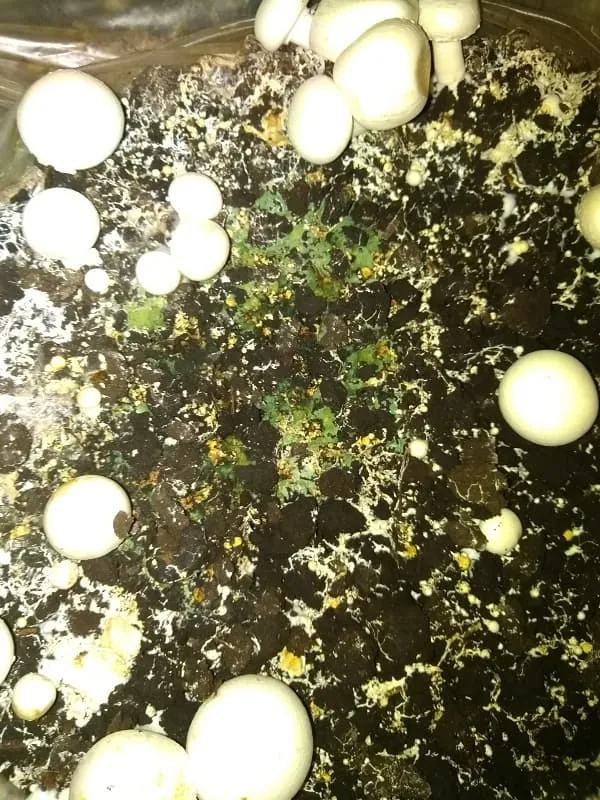
Description
Pathogen
The Agaricaceae family generally consists of saprotrophic fungi, not plant pathogens. They primarily obtain nutrients from dead organic matter in the soil.
They do not invade living plant tissues. Their biological activity is centered on the breakdown of plant residues, which makes them key decomposers in nature.
In an agricultural context, they are rarely classified as a disease agent. Their presence is usually an indicator of high organic matter content in the soil or substrate.
Unlike parasitic fungi that cause wilting or rot, Agaricaceae simply coexist within the rhizosphere as long as there is enough carbon source to utilize.
For crop health, these fungi are harmless unless they compete directly for nitrogen during their rapid growth phase, causing temporary nutrient stress.
Conditions for development
Agaricaceae thrive in environments with abundant organic content, such as fresh compost, manure, or heavy mulching layers.
Warm temperatures ranging from 18 to 26 degrees Celsius and consistently high soil moisture levels facilitate their rapid mycelial expansion.
Proper aeration is essential for their growth, which is why they are often found in loose, well-draining garden soils or greenhouse substrates.
A neutral to slightly alkaline soil pH is preferred by most species within this family for optimal development and fruiting.
In greenhouses, high humidity and lack of proper air circulation significantly accelerate the colonization of the soil surface by these fungi.
Why it matters
The primary concern regarding Agaricaceae in fields is the physical disturbance of the soil structure and potential nutrient immobilization.
Rapid growth of mycelium can temporarily lock up available nitrogen, leading to stunted or chlorotic growth in susceptible vegetable crops.
In greenhouses, heavy colonization of growing media can create hydrophobic pockets, leading to uneven water distribution and moisture stress for seedlings.
Their presence is often viewed as a quality issue in professional vegetable production, signaling improper composting or poor sanitation in the growth area.
While they don't cause rot, dense mycelial mats can occasionally inhibit seed germination if the soil surface remains perpetually damp.
Protection
Effective management begins with ensuring that all organic amendments are fully composted before incorporation into the soil.
Regular surface cultivation and hoeing help disrupt mycelial networks and improve oxygen levels in the top layer of the soil.
Optimizing irrigation practices to allow the surface to dry out periodically effectively restricts the growth of Agaricaceae species.
Maintaining proper ventilation in closed growing environments is a key strategy for preventing the buildup of surface fungi.
- Use well-matured compost only.
- Maintain proper spacing between plants.
- Increase airflow in greenhouse settings.
- Monitor soil moisture levels strictly.
- Remove surface organic debris.
Discussion
No discussions yet — be the first.