
Acrospermum fungi
Acrospermaceae
Description
Symptoms
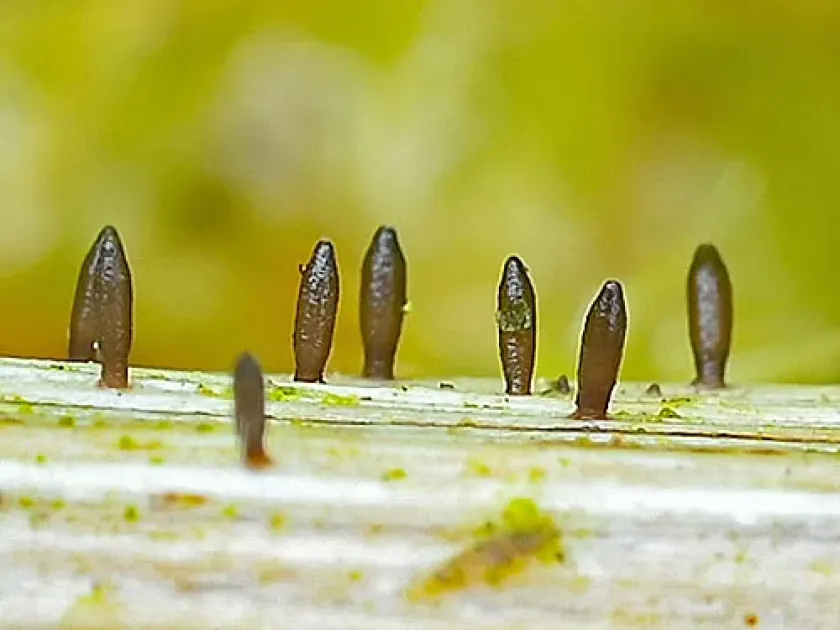
The hallmark symptom of an Acrospermum infection is the appearance of thin, black, upright fruiting structures on the epidermal layer of the plant stems.
These structures may look like tiny spines, usually measuring only a few millimeters in length, making them easy to overlook without careful inspection.
Infected plant tissues often show signs of premature senescence, including browning and a slight structural softening of the affected areas.
When the fungi colonize stems, they may appear in rows or patches, often clustered on the lower sections of the plant where humidity is higher.
The presence of these fungi often correlates with the presence of other decaying organisms, indicating that the plant tissue was already compromised.
Pathogen
Acrospermaceae is a family of ascomycete fungi that are primarily recognized as saprotrophs living on decaying plant materials.
The primary genus, Acrospermum, produces distinct, needle-like or elongated perithecia that can often be observed on the stems of various grasses and forbs.
These fungi reproduce through sexual and asexual spores, which are typically wind-dispersed, allowing them to colonize new plant tissues efficiently.
While they are not always primary pathogens, they can transition into weak parasites when the host plant is stressed by environmental factors.
The resilience of their fruiting bodies allows them to persist in the field debris throughout the winter, ready to reinfect the next crop cycle.
Conditions for development
High humidity and moisture are the most critical factors for the successful colonization and development of Acrospermaceae fungi.
Dense planting patterns that limit air circulation promote the microclimatic conditions necessary for the fungi to thrive and produce spores.
Extended periods of rainy weather, especially near the end of the crop season, significantly accelerate the growth of these organisms on mature stalks.
The accumulation of unmanaged crop residues provides a consistent food source and a primary reservoir for the fungi to overwinter successfully.
Poor soil drainage can also contribute to a higher incidence of fungal presence by increasing the environmental humidity levels at the soil surface.
Why it matters
These fungi can contribute to the accelerated breakdown of crop stalks, potentially weakening the integrity of the stems and leading to lodging.
Their presence on grain crops might reduce the overall quality of the harvest, particularly if the infection spreads to the ears or spikes of the plant.
By competing for nutrients on the surface of the plant, they can hinder the plant's ability to efficiently finalize its growth and grain-filling process.
Widespread infection can make the crop look unsightly, which may be a significant concern for decorative plants or high-quality fodder crops.
Economic losses are typically associated with increased maintenance costs and the potential need for remediation of soil health in severely affected fields.
Protection
The most effective management strategy is the reduction of inoculum sources through proper sanitation of the field after harvest.
Implementing crop rotation helps break the life cycle of the fungi by ensuring that the same host plants are not grown in successive years.
Optimizing plant spacing allows for better air movement, which keeps the humidity levels low and prevents the fungi from establishing themselves.
Deep plowing or incorporating crop residues into the soil helps accelerate decomposition and destroys the fungal structures living on the surface.
- Effective residue management.
- Balanced nutrient programs.
- Avoiding dense planting.
- Prompt removal of debris.
Discussion
No discussions yet — be the first.