
Acrocordia
Acrocordia
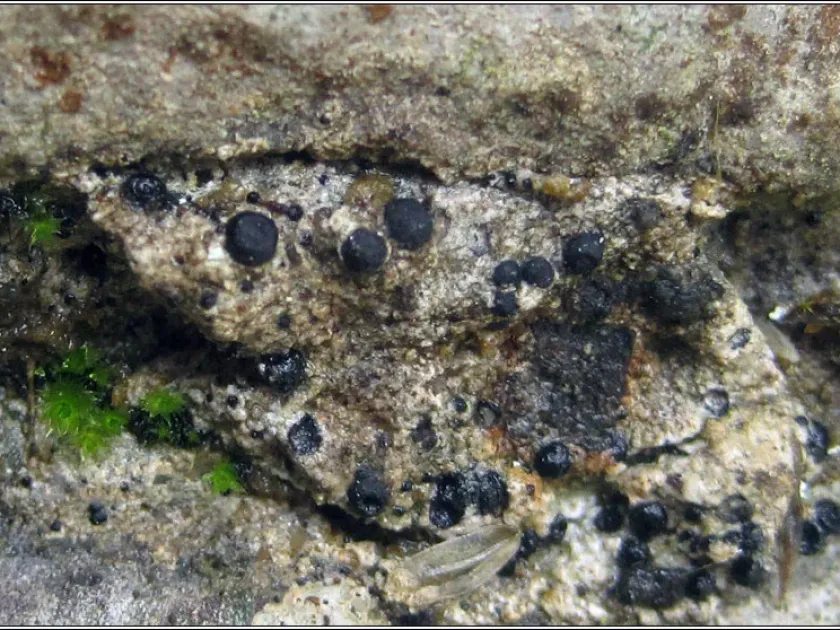
Description
Symptoms
The presence of Acrocordia is characterized by distinct crust-like growths on the bark, which can appear as grey, green, or brownish patches.
Tiny black perithecia, which are the reproductive structures of the fungus, can often be seen as small dots embedded within the lichen crust.
The affected areas often create a rough, uneven texture on the bark, which may be mistaken for naturally occurring aging of the wood.
Unlike some aggressive pathogens, Acrocordia does not typically cause immediate tissue death or wilting of the leaves.
The visibility of these signs often fluctuates with moisture levels, becoming more prominent and colorful during rainy seasons.
Pathogen
Acrocordia is a genus of fungi belonging to the order of pyrenocarpous lichens, which frequently colonize the bark of woody plants.
These organisms are not obligate parasites but are instead lichenized fungi that obtain nutrients through symbiosis with algae.
The fungal structure provides a protective attachment to the bark, while the photobiont component provides carbon through photosynthesis.
In forest pathology and arboriculture, Acrocordia species are considered epiphytes, usually appearing on mature or stressed trees.
Their life cycle is adapted to survive on surfaces that are periodically exposed to wet conditions, making them common in humid temperate climates.
Conditions for development
The primary driver for Acrocordia development is high ambient humidity and prolonged periods of wet weather on the tree surface.
Trees in shaded environments or those with dense, unpruned canopies are significantly more likely to develop dense lichen colonies.
Poor tree vigor due to improper nutrient management or soil compaction makes trees more susceptible to bark colonization.
Optimal conditions for spore dissemination include wind and rain, which help the fungus spread to adjacent suitable surfaces.
Neglected landscapes with stagnant air movement provide the perfect microclimate for these fungi to establish themselves over time.
Why it matters
While Acrocordia is not inherently lethal, excessive growth can impede the normal bark respiration processes of the host tree.
Dense colonies create a moist habitat that may attract wood-boring insects or harbor other, more harmful microorganisms and pests.
The presence of significant lichen cover acts as a physical barrier, potentially obscuring symptoms of more serious necrotic diseases.
Over time, the colonization can signify an overall decline in tree vigor, leading to reduced yield and poor overall plant health.
Extensive lichen coverage can also harbor pathogens that take advantage of the moisture trapped against the bark.
Protection
Cultural practices are the most effective management strategy, specifically prioritizing proper pruning to improve light and air circulation.
Maintaining high plant vigor through balanced fertilization and adequate hydration helps trees defend themselves against excessive epiphytic growth.
Mechanical removal using soft wire brushes or scrapers during the dormant season is a safe and effective way to clean infected bark.
Applying traditional whitewash or copper-based treatments to the trunks can effectively deter lichen colonization and sanitize the surface.
- Pruning to increase airflow and sunlight penetration.
- Mechanical bark cleaning with non-damaging tools.
- Using copper-based fungicides for bark sanitation.
Discussion
No discussions yet — be the first.