
Acrocalymmaceae
Acrocalymmaceae
Description
Symptoms
The primary symptom of Acrocalymmaceae infection is the appearance of small, dark, raised spots on the surface of stems and branches. These structures are the visible fruiting bodies of the fungus piercing through the epidermis.
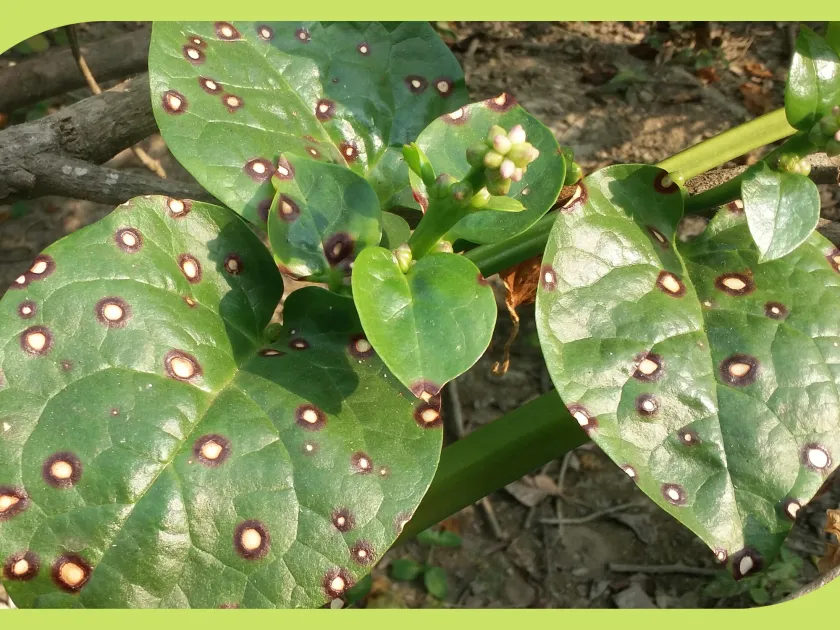
Chlorotic or necrotic lesions of irregular shapes often develop around these fungal fruiting bodies. Over time, the affected tissue turns brown, becomes brittle, and eventually dies off entirely.
In woody plants, the disease leads to the dieback of branches, resulting from the impairment of nutrient and water conduction. Leaves on affected stems may show premature yellowing and eventual abscission.
Under high humidity, a fine fungal sporulation layer may appear on the necrotic patches. This sign indicates an advanced stage of infection and a high risk of spreading to neighboring plants.
- Dark fruiting bodies visible on plant stems.
- Irregular necrotic patches on branches.
- Premature yellowing and leaf loss.
- Dieback of twigs and stems.
Pathogen
Acrocalymmaceae is a family of ascomycetous fungi belonging to the order Pleosporales. These fungi are often characterized by their specialized ecological roles, functioning as either endophytes or pathogens on various woody and herbaceous plants.
The disease is caused by specific fungal species that produce ascostromata within the host plant tissues. These reproductive structures remain embedded in the substrate, making the pathogen well-adapted to surviving inside the host.
The infection is classified as a mycosis, where the fungus targets plant stems and branches. Through mycelial growth, the pathogen disrupts the cellular integrity of the host, leading to localized tissue death and systemic weakening.
A unique feature of this pathogen is its ability to remain latent within plant remnants. Under favorable conditions, it transitions from a saprophytic existence to active parasitism, initiating new cycles of infection.
Because the fungus is deeply embedded, laboratory identification is often necessary to distinguish it from other similar fungal spots or necrosis-causing agents.
Conditions for development
The development of the disease is highly dependent on humidity and temperature. Frequent rainfall and overcast weather patterns create optimal conditions for spore germination and infection.
The fungus thrives in moderate temperature ranges. Significant fluctuations in weather conditions can often trigger accelerated development and increased activity of the pathogen within the plant host.
Poor agricultural practices, such as high-density planting or lack of ventilation, create microclimates that trap moisture. This high-humidity environment significantly increases the vulnerability of the crop to infection.
Plants under physiological stress, due to nutrient deficiencies or prior pest damage, are less capable of resisting fungal invasion. Entry points for the fungus are often created by mechanical injuries or insect feeding.
The dissemination of spores usually occurs through rain splash or wind currents. Furthermore, contaminated pruning tools serve as a major pathway for transmitting the infection between different areas of the field.
Why it matters
The main impact of the disease is a substantial reduction in yield due to damaged vegetative parts. The destruction of stem and leaf tissues impairs photosynthesis, preventing the plant from accumulating necessary biomass.
Massive infection can lead to the total dieback of young plants, causing significant crop loss and thinning of stands. This requires extra investment in crop replacement and labor-intensive sanitation.
Infected crops often exhibit degraded market quality. Necrotic lesions on the stems or fruit reduce the aesthetic and commercial value of the harvested products.
The disease weakens the overall vigor of the host plant, making it significantly more susceptible to secondary infections, as well as abiotic stresses such as winter freezing or severe drought.
Persistent presence of the pathogen in a field leads to an accumulation of inoculum, which can make the land unsuitable for susceptible varieties in subsequent growing seasons without intensive mitigation.
Protection
Crop rotation is a critical preventive measure that breaks the pathogen's life cycle. It is recommended to avoid planting susceptible crops in fields with a history of fungal infestations for several years.
Rigorous sanitation, including the removal and destruction of infected plant debris, is essential. Deep plowing can also help incorporate remaining debris into the soil to accelerate its decomposition.
Chemical control involving systemic fungicides is effective during the active growing season. Preventive spraying, conducted when environmental conditions favor disease development, is highly recommended.
Balanced nutrition, particularly the adequate supply of potassium and phosphorus, strengthens plant cell walls. This internal structural reinforcement makes it harder for the fungal hyphae to penetrate the tissues.
Implementing strict phytosanitary measures and using certified disease-free planting materials help prevent the introduction of Acrocalymmaceae into new regions, ensuring long-term crop protection.
Discussion
No discussions yet — be the first.