
Acholeplasmatosis
Acholeplasmatales
Description
Symptoms
Characteristic symptoms include stunted growth, leaf yellowing (chlorosis), and abnormal proliferation of shoots, often described as a 'witches' broom' effect.
Infected plants frequently exhibit virescence, where flowers turn green and become leaf-like, leading to total sterility of the reproductive organs.
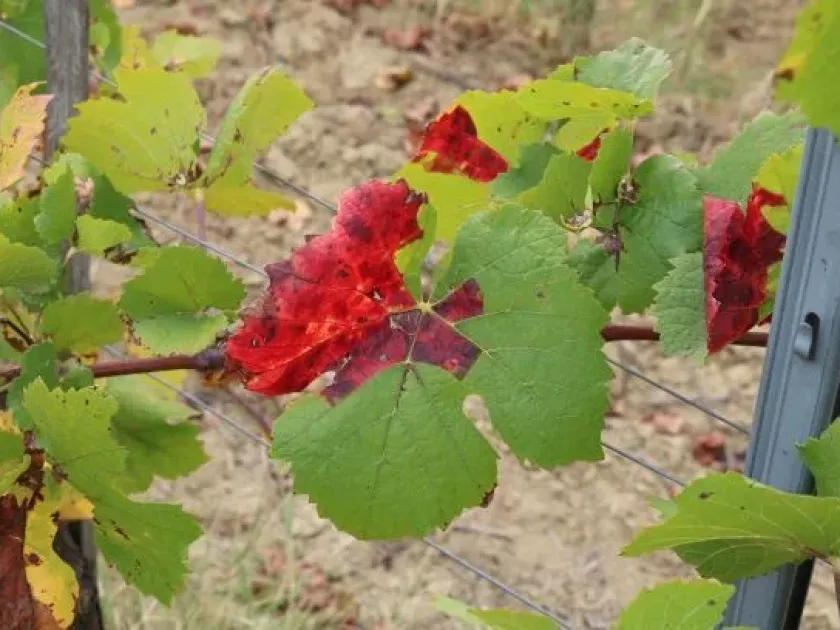
Leaves may show severe distortion, curling, or the development of red and purple pigments due to stress-induced metabolic changes.
The internodes become significantly shortened, resulting in a bushy, dwarf growth habit that is easily distinguishable from healthy specimens.
- Witches' broom symptoms on stems.
- Floral malformation and sterility.
- Reduced fruit size and poor quality.
Pathogen
Acholeplasmatosis is caused by bacteria of the genus Acholeplasma, which belong to the class Mollicutes. These microorganisms are unique due to the absence of a cell wall, making them highly susceptible to environmental stress.
Unlike other phytoplasmas, species of Acholeplasma can grow on cell-free artificial media without the requirement of sterols, which is a major diagnostic characteristic.
These pathogens primarily inhabit the phloem tissue of host plants, where they proliferate and interfere with the translocation of nutrients and photoassimilates.
The disease spreads systemically throughout the plant, leading to chronic physiological disruptions and long-term damage to the plant's vascular system.
The transmission of the pathogen is facilitated by phloem-feeding insect vectors, primarily leafhoppers and planthoppers, which harbor the bacteria.
Conditions for development
The spread of acholeplasmatosis is highly dependent on the population dynamics of insect vectors, which thrive in hot, arid weather conditions.
Increased temperatures accelerate both the multiplication of the pathogen within the plant host and the lifecycle of the insect vectors.
Weed species act as critical reservoirs for the pathogen, allowing it to survive during the off-season and reappear in subsequent growing cycles.
The use of infected propagating material, such as cuttings or rootstocks, is the primary cause of long-distance disease dissemination.
Poor field hygiene and lack of weed control contribute to the establishment of endemic zones within commercial agricultural systems.
Why it matters
The economic impact of acholeplasmatosis is significant, primarily due to drastic reductions in crop yield and the complete loss of marketable produce.
Infected plants may suffer from total sterility, which prevents the production of viable seeds and impacts future planting cycles.
Chronic infection in perennials leads to progressive vigor loss, necessitating premature removal and replacement of entire orchards or fields.
The metabolic exhaustion caused by the pathogen makes crops more susceptible to other abiotic stresses and opportunistic secondary pathogens.
Decreased photosynthesis results in poor development of root systems, which can lead to plant collapse during periods of environmental stress.
Protection
The use of certified pathogen-free planting material is the most critical step in preventing the introduction and spread of acholeplasmatosis.
Integrated pest management (IPM) focusing on the control of insect vectors is essential to interrupt the transmission cycle in the field.
Regular sanitation, including the destruction of weeds and volunteer crops, is necessary to eliminate natural reservoirs of the pathogen.
Prompt roguing of infected plants prevents the spread of the disease to neighboring healthy vegetation within the agricultural plot.
Maintaining spatial isolation between susceptible host crops and known infestation sites is a recommended practice to safeguard production.
Discussion
No discussions yet — be the first.