
Achnanthales
Achnanthales
Description
Symptoms
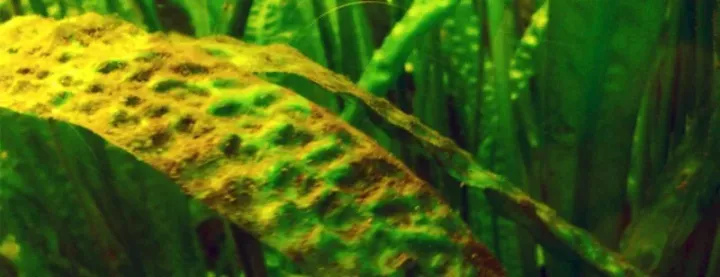
The primary symptom is the formation of a brown or golden-colored, velvety film on the roots or immersed plant parts.
This biofilm is typically persistent and may appear slippery to the touch, often covering large areas of the root system.
Plants affected by these diatoms often exhibit chlorosis or stunted development due to nutrient competition and physical surface covering.
The nutrient solution itself may become cloudy or change its chemical balance significantly due to the massive presence of these algae.
Visual confirmation of Achnanthales involves observing the uniform coating of silica shells on the epidermal cells of the plant roots.
Pathogen
Achnanthales is an order of diatom algae that acts as a primary component of biofilms in hydroponic and aquatic agricultural systems.
These are single-celled eukaryotic organisms characterized by unique silica shells, which facilitate their firm attachment to submerged surfaces.
While not obligate parasites, their presence is considered problematic as they colonize the root and stem zones of cultivated plants.
They utilize photosynthesis to thrive, and their biological cycle allows them to propagate rapidly under favorable environmental conditions.
In modern agronomy, they are classified as opportunistic organisms that interfere with plant physiology rather than attacking the plant tissue directly.
Conditions for development
The development of these algae is strongly favored by light exposure to nutrient solutions and transparent cultivation containers.
High nutrient levels, particularly an abundance of silica and phosphorus, provide the essential building blocks for diatom shell production.
Moderate temperatures ranging from 18°C to 25°C create an ideal thermal environment for the exponential growth of algal colonies.
Stagnant water or inefficient circulation in hydroponic systems allows the diatoms to settle and establish permanent colonies on root systems.
Poor sanitation protocols in commercial greenhouses facilitate the transfer of spores, leading to persistent re-infestations.
Why it matters
The main harm caused by Achnanthales is the physical obstruction of oxygen and nutrient uptake by the root system.
They effectively block stomata or root hair contact with the nutrient solution, leading to metabolic suppression in the host plant.
Algal growth competes with crops for dissolved minerals, which can lead to rapid depletion of the essential macro and microelements.
The production of algal exudates can lead to pH instability in the hydroponic solution, creating stress for the main crop.
Heavy colonization can lead to root rot conditions by providing a substrate for pathogenic bacteria and fungi to thrive.
Protection
The most effective strategy for managing Achnanthales is the total exclusion of light from the hydroponic nutrient reservoirs.
Implementing regular cleaning and disinfection of systems using hydrogen peroxide or other safe sanitizers is crucial for prevention.
Utilizing UV-C sterilization systems in the nutrient circulation loop effectively destroys free-floating spores before they attach.
Proper management of nutrient concentration and monitoring of water quality help to prevent the over-accumulation of algal nutrients.
Regular maintenance of filtration systems helps to physically remove organic matter that supports the initial stages of algal biofilm formation.
Discussion
No discussions yet — be the first.