
Achnanthaceae
Achnanthaceae
Description
Symptoms
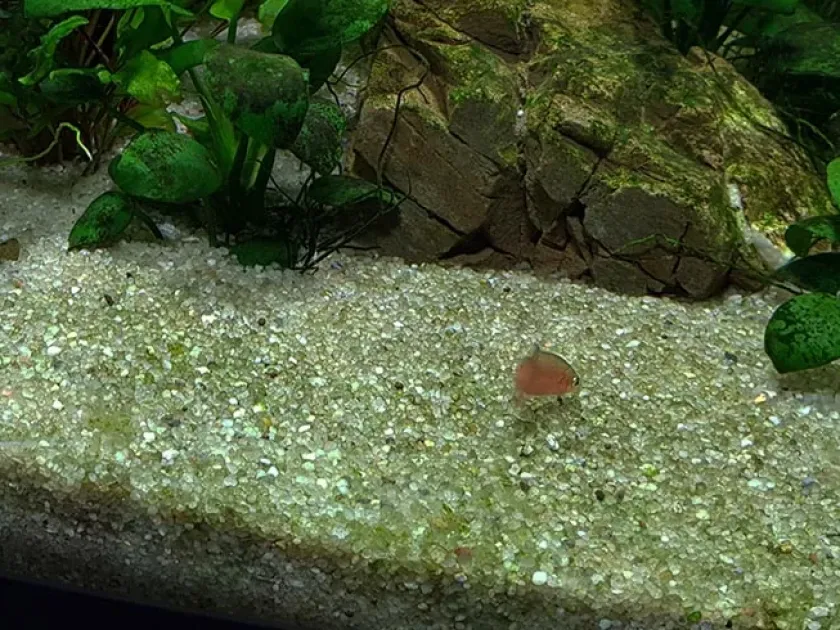
A primary indicator of Achnanthaceae presence is the appearance of a brownish or golden-tan biofilm on surfaces submerged in water.
These diatoms form thin, slimy layers that adhere firmly to substrates using specialized mucilaginous attachment pads.
Microscopic analysis reveals characteristic cells with a heteropolar shell structure, featuring a raphe on one valve and lacking it on the other.
The growth can coat tank walls, irrigation pipes, and technical equipment, often manifesting as matte patches that resist simple rinsing.
In hydroponic setups, this growth frequently covers roots and nutrient delivery lines, appearing as a thick, rust-colored sludge.
Pathogen
The causative agents are diatoms of the Achnanthaceae family, which belong to the class Bacillariophyceae.
They are unicellular organisms characterized by a silica-based cell wall (frustule), which provides significant structural rigidity and resilience.
Reproduction occurs primarily through binary fission, allowing populations to proliferate rapidly across available surfaces under optimal conditions.
These organisms are typically epilithic or epiphytic, meaning they thrive as attached organisms on hard surfaces or aquatic vegetation.
Their unique biological trait is the asymmetric valve structure, which serves as a definitive identification marker for phycologists.
Conditions for development
High concentrations of dissolved silica in the water are essential for the growth of Achnanthaceae, as they require it to build their frustules.
Optimal conditions include moderate lighting and a steady supply of nutrients, specifically nitrogen and phosphorus, which fuel their metabolism.
Stagnant or slow-moving water bodies are particularly prone to colonization, as organic matter accumulation provides a favorable environment.
Temperature ranges between 15 and 25 degrees Celsius promote rapid cell division and the expansion of the biofilm colonies.
Insufficient competition from higher aquatic plants or frequent lack of water circulation often leads to massive algal blooms.
Why it matters
The main economic damage involves the clogging of filtration systems, pumps, and irrigation nozzles in professional cultivation facilities.
By covering root systems or foliage, these diatoms impede essential gas exchange and the uptake of nutrient solutions by plants.
Extensive algal growth alters the chemical composition of water, potentially leading to fluctuations in pH and dissolved oxygen levels.
Biofouling creates high maintenance costs, as intensive mechanical or chemical cleaning is required to restore system functionality.
The decay of accumulated biomass can trigger secondary water pollution and create habitats for undesirable pathogenic microorganisms.
Protection
Routine mechanical cleaning of all submerged surfaces and components is the most effective approach to prevent accumulation.
Installing UV sterilization units in water circulation systems significantly reduces the density of viable diatoms in the nutrient solution.
Monitoring and controlling the levels of silica and trace elements in the water can restrict the building materials available for algal growth.
Biological control methods include the use of filter-feeding organisms that naturally consume diatoms to keep their populations in check.
- Maintain proper water circulation to prevent stagnation
- Use professional-grade algaecides when mechanical cleaning is insufficient
- Conduct regular water quality testing to monitor nutrient levels
- Improve filtration systems to trap incoming algal cells
Discussion
No discussions yet — be the first.