
Acetobacter aceti (Acetic acid bacteria)
Acetobacteraceae
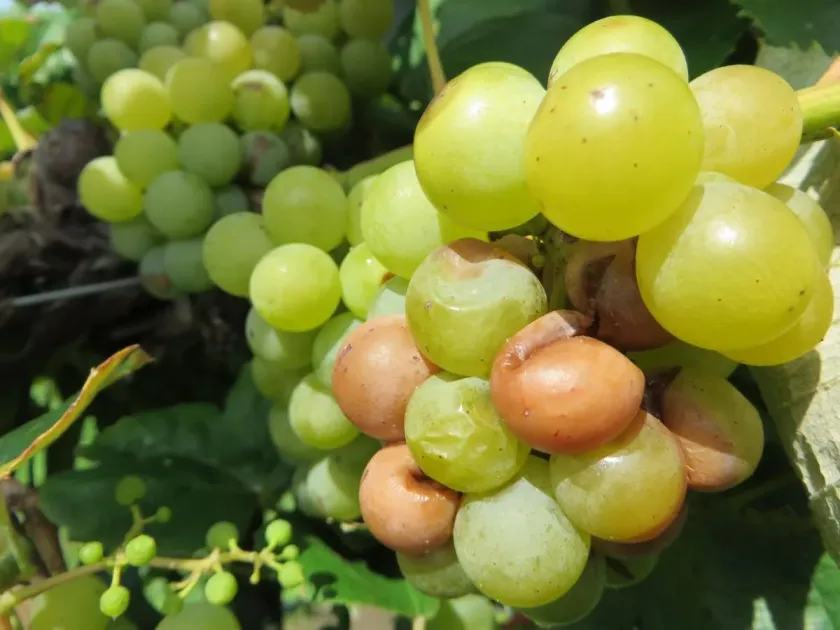
Description
Symptoms
The most distinctive symptom is a sharp, acidic, vinegar-like odor emanated from the affected fruit or vegetable tissues.
Infected tissues lose their structural integrity, becoming soft and mushy as the cell walls break down.
A slimy, whitish, or yellowish film may appear on the surface of the lesion, which is a sign of active bacterial reproduction.
Affected produce darkens rapidly and becomes completely unmarketable and unsuitable for any food consumption or industrial use.
In many cases, the decay process is accompanied by gas production, which causes visible deformation of the fruit surface.
Pathogen
The disease is caused by members of the Acetobacteraceae family, which are aerobic gram-negative bacteria.
These microorganisms are characterized by their metabolic ability to oxidize ethanol into acetic acid under aerobic conditions.
They generally act as secondary invaders, colonizing plant tissues that have already been weakened by other pathogens or physical injury.
Decaying plant material and fruit surfaces with micro-cracks serve as the primary reservoirs for these bacterial colonies.
Fruit flies are the most common vectors, facilitating the spread of bacteria from infected produce to healthy ones during the ripening season.
Conditions for development
Development is most rapid under warm conditions, with temperatures between +25°C and +35°C being optimal for growth.
Since these bacteria are strictly aerobic, they thrive best when there is sufficient oxygen access, especially on the surface of fruits.
Pre-existing alcoholic fermentation by yeasts creates the necessary alcohol substrate for Acetobacteraceae to flourish.
High humidity levels facilitate the movement of bacterial slime and significantly speed up the infection process across stored produce.
Physical injuries, such as punctures, bruises, or cracks, provide the primary entry points for these bacteria to penetrate deeper into the fruit.
Why it matters
The economic impact is significant, leading to total loss of harvested produce such as tomatoes, apples, grapes, and pears.
The biochemical changes induced by the bacteria make the fruit highly acidic and toxic, rendering them useless for processing.
In storage facilities, the infection can spread rapidly, causing massive losses in a short period if not identified early.
The disease complicates post-harvest logistics, as infected lots must be strictly isolated to prevent contamination of healthy batches.
Industrial processing, such as winemaking or juice production, is impossible if the raw materials show signs of acetic fermentation.
Protection
Maintaining fruit skin integrity during harvesting and handling is the most effective way to prevent infection.
Pest management is crucial to minimize the presence of vectors like fruit flies that transport the bacteria to susceptible fruits.
Storage facilities must be kept at cool temperatures to significantly suppress the metabolic rate and growth of the bacteria.
Rigorous sanitation of all harvesting equipment and storage containers is essential to minimize the risk of bacterial build-up.
- Prompt removal and disposal of damaged fruits from storage batches.
- Adequate ventilation in storage rooms to maintain low humidity.
- Regular monitoring of produce for early signs of decay.
Discussion
No discussions yet — be the first.