
Acaulospora scrobiculata
Acaulospora scrobiculata
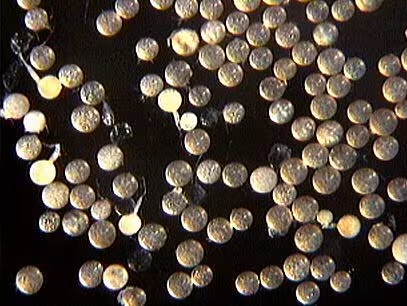
Description
Pathogen
Acaulospora scrobiculata is not a plant pathogen; it is a beneficial fungus belonging to the arbuscular mycorrhizal (AM) group.
These fungi form an obligate symbiotic relationship with the roots of approximately 80% of terrestrial plant species.
The fungus provides the plant with essential nutrients, particularly phosphorus and minerals, which it collects from the soil via its extensive mycelial network.
In exchange, the host plant provides the fungus with sugars derived from photosynthesis, creating a mutually beneficial ecological partnership.
The spores of Acaulospora scrobiculata are distinctive and play a critical role in the reproduction and dispersal of the fungus within the soil environment.
Conditions for development
Acaulospora scrobiculata thrives in environments where a living host plant is present for an extended period to sustain the symbiosis.
Optimal conditions include well-drained, porous soils with moderate pH levels, allowing for efficient mycelial growth and nutrient transport.
The presence of other beneficial soil organisms often correlates with the health and activity of this mycorrhizal species.
Disturbed soils, such as those subjected to frequent tillage, tend to have lower populations of these fungi compared to undisturbed or minimum-tillage systems.
Temperature fluctuations in the soil layer can influence the colonization rate, with steady, moderate temperatures favoring the development of the fungal-root association.
Why it matters
This organism causes no damage to crops and is considered highly beneficial for agricultural ecosystems.
By extending the reach of the root system, the fungal hyphae allow plants to access water and minerals that would otherwise be beyond the reach of the root hairs.
The association enhances the plant's resistance to environmental stress, including drought, salinity, and high heavy metal concentrations.
Studies suggest that plants colonized by Acaulospora scrobiculata exhibit faster growth rates and increased biomass compared to non-mycorrhizal counterparts.
There is no evidence of virulence or pathogenicity, making it a valuable tool for sustainable and organic farming practices.
Protection
As a beneficial fungus, there is no need for control measures; focus should be placed on its conservation and promotion.
Agricultural practices that promote soil biodiversity, such as cover cropping and reduced tillage, are highly recommended to support this fungus.
Farmers can incorporate bio-inoculants containing mycorrhizal spores to enhance the colonization of crops in depleted or sterilized soils.
Careful management of fertilizer application is essential, as excessive mineral inputs can discourage the plant from forming symbiotic relationships.
Long-term soil health management, including the use of organic amendments, provides the best foundation for maintaining the population of this essential organism.
Discussion
No discussions yet — be the first.