
Acaulospora laevis
Acaulospora laevis
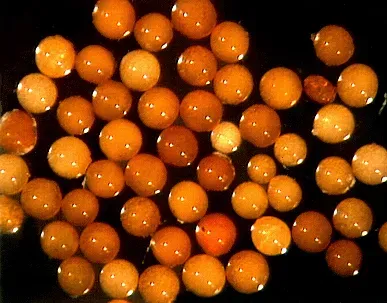
Description
Pathogen
It is important to clarify that Acaulospora laevis is not a plant disease or pathogen. It is a species of arbuscular mycorrhizal (AM) fungus that lives in a mutualistic symbiosis with the roots of many plant species.
The fungus does not infect the plant in a harmful way; instead, it penetrates the root cortex to form arbuscules, which are specialized structures for nutrient exchange.
Belonging to the order Glomerales, this fungus plays a vital role in natural ecosystems by helping plants absorb essential nutrients from the soil.
The spores of Acaulospora laevis are known for their distinct morphological features, making them a common subject of study in soil microbiology.
Classifying this organism as a disease is incorrect, as it acts as a partner that enhances plant growth, health, and nutrient uptake efficiency.
Conditions for development
This fungus requires a living host plant to complete its life cycle, as it is an obligate symbiont that cannot survive independently without plant roots.
The optimal soil environment includes moderate pH levels, good drainage, and sufficient oxygenation to support the metabolic activity of the fungal hyphae.
High levels of soil phosphorus can reduce the plant's dependency on the fungus, leading to a decrease in the rate of mycorrhizal colonization.
Temperature fluctuations in the soil affect the growth rate, with most Acaulospora laevis activity occurring during the active plant growing season.
Organic matter content and soil structure are critical factors, as they support the development of a complex and stable microbial community in the rhizosphere.
Why it matters
From an agronomic perspective, Acaulospora laevis is strictly beneficial and poses no harm to agricultural crops or garden plants.
The fungal network effectively increases the total surface area of the roots, allowing plants to access water and minerals that would otherwise be unavailable.
Plants colonized by this fungus show higher resistance to environmental stresses, including drought, salinity, and mineral toxicity.
Furthermore, the presence of these fungi creates a protective biological barrier around roots, which can suppress the growth of certain root pathogens.
Ultimately, these organisms contribute significantly to sustainable farming by reducing the need for intensive chemical fertilizer application.
Protection
There is no need to control or eliminate Acaulospora laevis, as it is an essential component of healthy and fertile agricultural soils.
Practices that promote soil biodiversity, such as cover cropping and crop rotation, are recommended to maintain high populations of these beneficial fungi.
Farmers are advised to use chemical inputs, particularly heavy fungicide treatments, with caution, as they may disrupt the beneficial mycorrhizal balance.
Conservation tillage practices help protect the fungal network within the soil, ensuring that the symbiosis remains intact for future crop cycles.
Ongoing research in agriculture focuses on utilizing these fungi in bio-inoculants to boost natural yield and stress resilience in various cropping systems.
Discussion
No discussions yet — be the first.