
Abortiporus
Abortiporus
Description
Symptoms
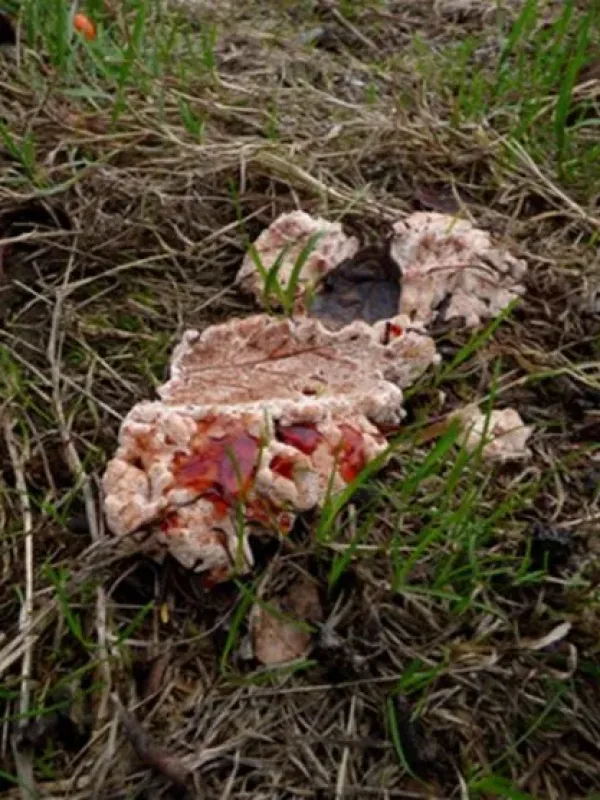
The primary visual sign of infection is the appearance of specific fruiting bodies at the base of the trunk or on the roots, usually appearing in late summer or autumn.
The fruiting bodies of Abortiporus often have irregular, complex shapes and tend to grow in dense, fused clusters, sometimes forming rosette or shelf-like structures.
The upper surface of the cap is typically velvety or felt-like, with colors ranging from creamy white to ochre or brown. The lower surface features the characteristic porous texture of polypores.
Internal symptoms involve the development of intense white rot within the wood. The affected tissues become soft, stringy, and lose their mechanical strength, leading to structural instability.
As the infection progresses, trees exhibit symptoms of overall decline, including thinning crowns, premature yellowing of leaves, and dieback of the upper branches.
Pathogen
The causative agent of the disease is a fungus from the genus Abortiporus, with Abortiporus biennis being the most common representative. This organism is a wood-decaying basidiomycete, classified as a polypore fungus.
The fungal mycelium penetrates deeply into the wood of the roots and the base of the host plant's trunk. The pathogen produces enzymes that break down lignin and cellulose, leading to the destruction of the wood's structural integrity.
The fungus can remain viable in infected wood for long periods, even after the host tree has died. It produces rhizomorphs in the soil, which allow the fungus to spread to adjacent healthy trees through root contact.
Its life cycle involves the formation of spore-producing fruiting bodies and vegetative growth via underground mycelium. This dual survival strategy makes the pathogen highly resilient to adverse environmental conditions.
Ecologically, it functions as a facultative parasite that often transitions to a saprotrophic lifestyle, eventually decomposing the wood remnants entirely.
Conditions for development
The development of Abortiporus is favored by high soil moisture levels and moderate air temperatures. The fungus thrives in environments with prolonged rainfall.
High-risk areas include sites with compacted or waterlogged soils, where oxygen availability for root respiration is limited, weakening the plant's defense mechanisms.
Infection is facilitated by any mechanical damage to the roots or the bark at the base of the trunk, which can occur during cultivation or due to animal activity.
While spores can be dispersed by air, the primary method of spread in a stand is through direct root contact with infected soil or plant material.
The presence of weakened or stressed trees in the vicinity provides a reservoir for the fungus, allowing it to establish a persistent colony in the soil.
Why it matters
Abortiporus causes progressive root and butt rot, which significantly reduces the tree's resistance to wind-throw and mechanical collapse.
The damage to tree crops is irreversible as the affected wood cannot be restored, and the destroyed tissue loses its water and nutrient conduction capabilities.
The disease usually leads to the gradual decline and eventual death of the tree over several years following initial colonization.
Economic losses are associated with the loss of timber value and the significant costs involved in removing hazardous trees from landscaped or forested areas.
In urban landscapes, the presence of infected trees poses a safety risk, as sudden failure of the root system or trunk can lead to accidents.
Protection
The primary preventive measure is to ensure proper soil drainage and avoid moisture accumulation around the tree base to prevent waterlogging.
Regular sanitation surveys are essential. Infected trees should be removed promptly, including thorough extraction of the stump and major roots to eliminate the inoculum source.
Care must be taken to minimize root damage during ground maintenance, as any wound acts as a potential entry point for fungal spores.
If an infection focus is identified, isolating the area by trenching can help prevent the spread of rhizomorphs through the soil to neighboring trees.
Maintaining the overall vigor and immune health of the tree through balanced fertilization and appropriate site management is key to minimizing susceptibility to fungal decay.
Discussion
No discussions yet — be the first.