
Festulolium
x Festulolium loliaceum (Huds.) P. Fourn.
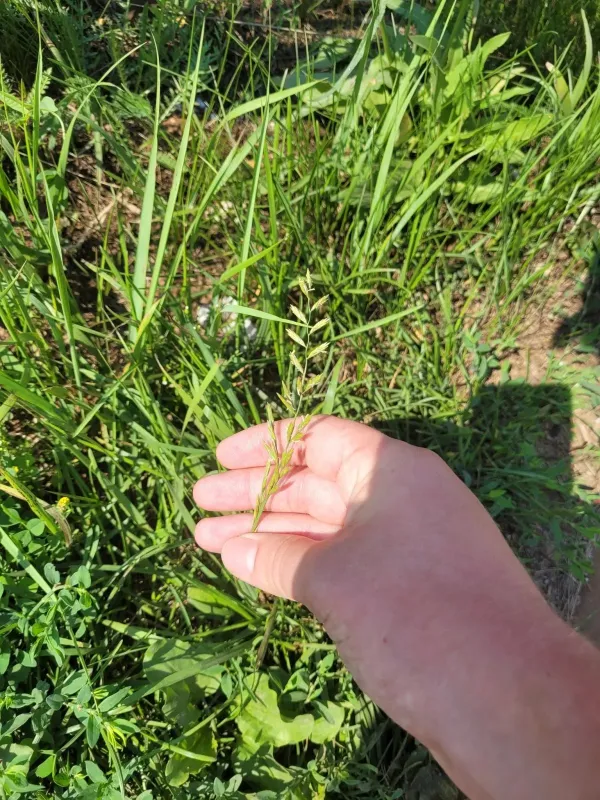
Description
Sowing dates
Festulolium is a man-made hybrid resulting from cross-breeding meadow fescue or tall fescue with perennial or Italian ryegrass. This species combines the winter hardiness and persistence of fescue with the high energy and rapid regrowth speed of ryegrass, making it a premium forage choice.
The ideal planting time for Festulolium is either early spring or late summer when soil temperatures are moderate and moisture levels are adequate for germination. Early spring seeding is generally preferred in regions with harsh winters to ensure robust establishment before the heat of summer.
The recommended seeding rate is typically between 20 to 25 kg per hectare, depending on the chosen planting method, such as drilling or broadcasting. Shallow placement of seeds, at a depth of 1-2 cm, is crucial to prevent wasting the energy reserves of the germinating seedling.
Soil preparation, including rolling, is a vital step to ensure good seed-to-soil contact. This practice promotes faster and more uniform emergence, which helps the crop compete effectively against weeds during the sensitive establishment stage of the first year.
While seedlings establish relatively quickly compared to fescue, they should not be subjected to heavy grazing or frequent cutting during the first few months of growth. Allowing the plants to develop a strong root system ensures long-term viability and productivity in the subsequent years.
Growing requirements
Festulolium thrives in fertile, well-drained loam soils with a neutral pH level. It shows high nutrient requirements, especially for nitrogen, which is necessary to support its rapid growth cycles and high biomass production throughout the growing season.
The crop is known for its high moisture requirement, which makes it particularly suitable for regions with consistent rainfall or irrigation capabilities. Although it is more drought-tolerant than pure ryegrass, sustained dry periods will significantly restrict its forage yield and regrowth rate.
One of the key advantages of Festulolium is its excellent cold tolerance and winter survival rate. This makes it a preferred option for high-latitude or high-altitude areas where traditional ryegrass stands often suffer from winter kill, ensuring stable forage production.
Proper pasture management includes a strategic approach to nitrogen application after each grazing or harvest event. Balancing this with phosphorus and potassium is essential to maintain the health and nutrient content of the grass, ensuring it remains highly palatable for livestock.
Flexibility is a major strength of this hybrid; it can be used in intensive grazing rotations or managed for high-quality silage production. Regular resting periods between utilization cycles are necessary to prevent plant fatigue and maintain high yields over a 5 to 7-year lifespan.
Yield
Under optimal management and favorable weather conditions, Festulolium can produce impressive yields of 12 to 16 tons of dry matter per hectare. The ability to recover quickly from cutting allows for multiple harvests, typically 3 to 5 times per year in temperate climates.
The nutritional profile of Festulolium is characterized by high levels of water-soluble carbohydrates and crude protein. This makes it a high-energy feed, highly suitable for high-producing dairy herds that require maximum nutrient intake to sustain milk yields.
Biomass production usually peaks between the second and fourth years after seeding. As the stand ages, productivity might decline, so it is beneficial to integrate the crop into a rotational plan that includes occasional reseeding or overseeding to maintain a dense, productive pasture.
Weather variability plays a significant role in annual yield fluctuations. In seasons with low rainfall, the number of successful cuttings may be reduced, and farmers should adjust their stocking density or harvest intervals accordingly to protect the long-term health of the stand.
Timely harvest is critical to maintaining the economic value of the crop. Once the plant enters the reproductive phase and begins to produce seed heads, the protein content drops and fiber levels rise, significantly lowering the overall digestibility and energy density of the forage.
Main diseases and pests
Festulolium generally exhibits strong vigor and good resistance to many common fungal diseases found in grasses, thanks to the genetic diversity provided by its parent species. However, high humidity and poor air circulation can create conditions for localized infections like rust or powdery mildew.
Pests, such as aphids and various species of shoot flies, can occasionally impact younger stands, leading to stunted growth or yellowing of leaves. Regular monitoring and maintaining healthy, vigorous plants are the best defenses against significant pest damage.
Root rots can become an issue in areas with poor drainage or chronic waterlogging. Ensuring that the field has an efficient drainage system and avoiding over-compaction from livestock traffic are essential measures for preventing long-term damage to the root system.
The risk of disease is often higher in neglected or overly dense stands where stagnant air and moisture buildup occur. Implementing proper grazing heights and ensuring that the grass is not left too long during humid summer months can significantly reduce the pathogen pressure.
Using certified, high-quality seed is the most effective preventative strategy. Modern breeding programs continue to select for enhanced disease resistance, making Festulolium one of the more robust options available for high-intensity forage systems.
Harvesting
The best harvest timing is during the late vegetative stage or the very beginning of the boot stage (heading). Harvesting at this moment ensures a superior balance of high digestibility, protein content, and energy, providing an excellent feed for ruminants.
When producing hay, mechanical conditioning (crimping) is recommended to speed up the drying process. Reducing the time the grass remains in the field decreases respiration losses and minimizes the risk of weather damage, ensuring a higher-quality final product.
For silage production, managing moisture content is key to successful fermentation. The crop should be ensiled at approximately 60-65% moisture to avoid effluent losses and to create an environment where beneficial bacteria can rapidly lower the pH.
Leave a stubble height of at least 7-8 cm during harvest to protect the plant's growing points and energy reserves. Cutting too low can cause the stand to thin out, especially when the crop is already stressed by environmental factors like drought or high heat.
It is important to allow the crop at least 4 to 6 weeks of regrowth before the first killing frost of autumn. This rest period enables the plant to accumulate essential reserves in the crown, which are necessary for survival over the winter and a vigorous start in the spring.