
Festulolium
x Festulolium braunii (K. Richter) A. Camus
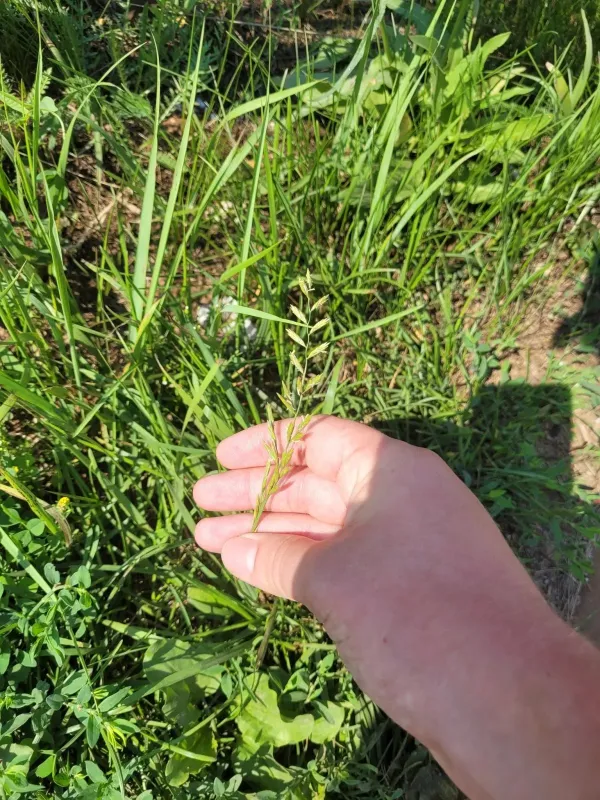
Description
Sowing dates
Festulolium is an intergeneric hybrid resulting from crossing fescue (Festuca) and ryegrass (Lolium). This grass combines the winter hardiness and drought tolerance of fescue with the nutritional quality and rapid growth of ryegrass.
The optimal sowing time is early spring or late summer, ensuring the soil temperature is adequate for germination. Sowing during cool but frost-free periods allows the seedlings to establish a strong root system.
The seeding rate typically ranges from 20 to 25 kg per hectare for pure stands. If planted as part of a mixture with legumes, the rate should be adjusted based on the proportion of species in the seed blend.
Shallow planting depth (1–2 cm) is crucial for this small-seeded crop. Firming the seedbed after sowing improves moisture absorption and ensures faster, more uniform germination across the field.
Early maintenance is vital to minimize weed competition during the establishment phase. Once established, the dense growth habit of Festulolium helps to naturally suppress common weeds.
Growing requirements
The crop thrives in well-drained, fertile soils with a pH ranging from 5.5 to 7.0. It is known for its versatility and ability to adapt to various soil types, from loamy to slightly sandy conditions.
It exhibits superior persistence under diverse weather conditions compared to pure ryegrass. It can withstand short-term waterlogging, although it prefers fields with adequate soil drainage.
Cold tolerance is one of its primary characteristics, making it suitable for regions with harsh winter climates. It remains productive even when temperatures fluctuate significantly during the growing season.
High levels of nitrogen are required to support its rapid biomass production. Split applications of fertilizer throughout the season help maintain continuous growth after each harvesting event.
Regular monitoring of soil fertility ensures that essential phosphorus and potassium levels are maintained, which directly contributes to plant vigor and winter survival rates.
Yield
Festulolium is highly productive, often yielding three to four harvests per year. The high protein and sugar content make it an excellent choice for both haylage and high-quality silage production.
Average yields of dry matter range from 8 to 12 tonnes per hectare under well-managed conditions. Its performance often exceeds that of traditional grasses in intensive dairy and beef production systems.
The forage remains palatable and nutrient-dense even when mature, providing consistent gains for livestock. It is particularly valued for its digestibility in late-season harvests.
When used for grazing, it recovers quickly after being eaten, provided that a rotational grazing system is implemented to allow the grass sufficient time to regrow its leaf area.
The stand longevity typically spans 5 to 7 years. With proper management and fertilization, the yield remains high throughout the lifespan of the pasture or hay field.
Main diseases and pests
Rust and powdery mildew are the most common fungal diseases affecting this hybrid. These issues are more prevalent in damp, humid environments with poor air circulation between the plants.
Pests such as cereal flies and aphids can cause damage to seedlings or stems. Integrated pest management practices, including crop rotation, are recommended to minimize these risks.
Root rot diseases may develop in poorly drained fields, leading to patches of reduced vigor. Ensuring proper soil preparation and drainage is a key preventive measure against such infections.
Using certified seed and resistant varieties helps significantly reduce disease incidence. Constant vigilance in monitoring the field allows for early intervention if any symptoms appear.
Maintaining the overall health of the soil through balanced nutrient management strengthens the plants' natural defenses against environmental and biological stresses.
Harvesting
For high-quality forage, harvesting should occur at the early heading stage. This provides the best balance of crude protein, soluble carbohydrates, and fiber digestibility for ruminants.
Cutting height should be maintained at 5–7 cm. Cutting too low can damage the crown and inhibit regrowth, whereas the correct height ensures long-term persistence of the stand.
If producing silage, wilting the grass to 60–65% moisture is recommended. Proper compaction and sealing of the silo are essential to preserve nutrients and ensure quality fermentation.
When harvesting for hay, multiple tedding passes are beneficial to speed up the drying process, especially in cooler, humid climates, to prevent molding and sugar loss.
Avoid late autumn harvesting to allow the plants to accumulate root reserves before dormancy. This practice is essential for ensuring successful winter survival and early growth next spring.