
Oplismenus compositus
Oplismenus compositus (L.) P. Beauv.
Description
Growing requirements
Oplismenus compositus is a perennial grass species belonging to the Poaceae family. It is native to the tropical and subtropical regions of Asia and Australia, typically thriving as an understory plant in dense forests, which defines its preference for low-light environments.
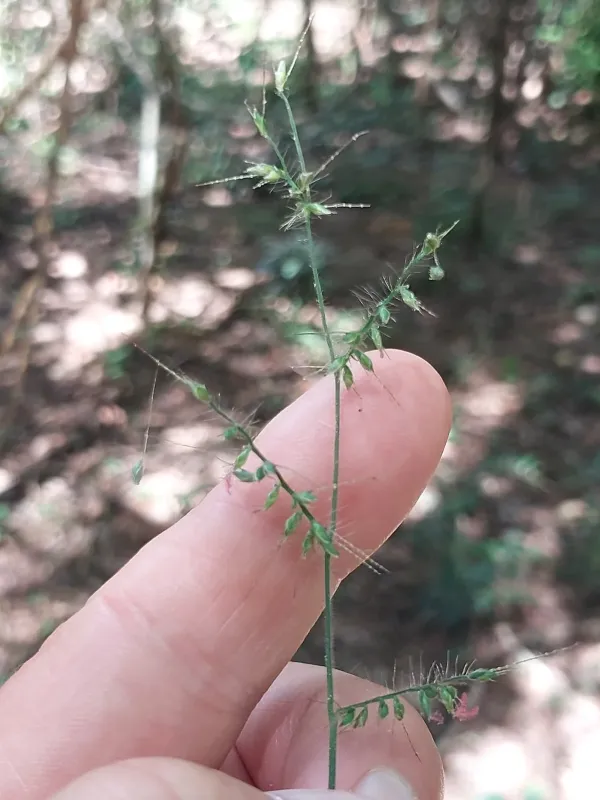
The plant is characterized by its trailing, rooting stems that create a dense ground cover. The leaves are distinctively lanceolate, often displaying varied patterns in ornamental cultivars, and the inflorescence consists of spikes arranged in a loose, bristly panicle.
Regarding climatic requirements, this grass demands warm temperatures and consistently high humidity levels. It cannot withstand frost, making it suitable primarily for tropical garden landscapes or indoor greenhouse cultivation in temperate zones.
The soil should be well-drained, fertile, and rich in organic matter. Maintaining a consistent moisture level in the growing medium is essential, though it is crucial to avoid waterlogging, which can cause significant damage to the root system.
In agricultural and landscaping contexts, it is primarily used as an ornamental groundcover or as a trailing plant for hanging baskets. Its ability to tolerate deep shade makes it a valuable asset for interior landscaping where other species struggle to survive.
Main diseases and pests
Common pests include spider mites and mealybugs, which are often attracted to the plant when humidity drops too low. Regular misting and proper air circulation are highly recommended to mitigate the risk of these infestations spreading.
Root rot remains the most common threat when the soil drainage is inadequate. Pathogenic fungi thrive in soggy conditions, requiring growers to use porous, well-draining soil mixes to ensure the longevity and health of the plant stands.