
Galactia striata
Galactia striata (Jacq.) Urb.
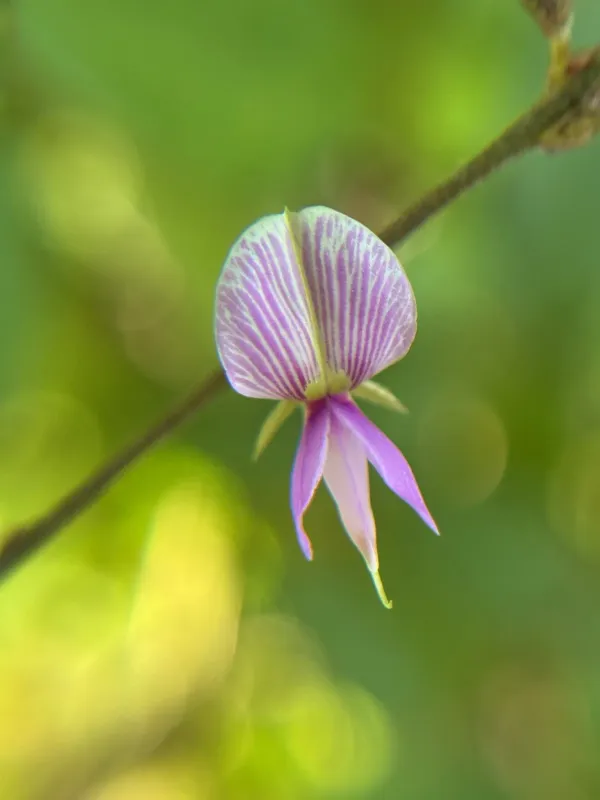
Description
Sowing dates
Galactia striata is a perennial leguminous vine known for its nitrogen-fixing capabilities and utility as a forage crop in tropical and subtropical regions.
Planting is typically performed at the onset of the rainy season to capitalize on moisture availability, which is essential for uniform germination and establishment.
Seeds are usually sown at a depth of 1 to 2 centimeters; due to the hard seed coat characteristic of many Fabaceae, scarification is often recommended to improve the germination rate.
Optimal stand density should be managed to ensure quick ground cover, which helps suppress weed growth and protects the soil from erosion in tropical environments.
Inoculation with specific Rhizobium strains is highly recommended at the time of sowing to ensure effective nitrogen fixation and enhance plant growth performance.
Growing requirements
This species is highly adaptable to a variety of soil types, ranging from acidic, nutrient-poor soils to more fertile substrates, showcasing its value for land restoration.
Galactia striata thrives in warm climates and requires temperatures between 25 and 30 degrees Celsius for optimal growth and biomass accumulation.
The plant is frost-sensitive and cannot survive freezing temperatures, limiting its commercial cultivation to tropical and warmer subtropical geographic zones.
While the vine prefers full sun for maximum production, it possesses a degree of shade tolerance, allowing it to perform well in integrated agroforestry systems.
Adequate soil drainage is important, though the species exhibits moderate tolerance to temporary waterlogging and periodic drought once the plant is well-established.
Yield
Biomass production typically ranges from 5 to 15 metric tons of dry matter per hectare annually, depending on rainfall distribution and soil nutrient availability.
The nutritional profile of Galactia striata makes it an excellent forage source, featuring a high protein content that is essential for livestock development.
Frequent cutting or controlled grazing encourages the emergence of fresh, nutrient-rich shoots, thereby sustaining high productivity throughout the growing season.
Seed yield varies based on environmental conditions and pollination efficiency, yet the plant is capable of self-pollination, which supports consistent seed production.
Application of phosphorus-based fertilizers is often beneficial to improve yield and stimulate the nitrogen-fixing processes inherent in the leguminous root system.
Main diseases and pests
Fungal pathogens such as anthracnose and various rusts represent the primary biological threats, particularly during periods of high humidity and rainfall.
Insect pests, including various beetles and lepidopteran larvae, can damage foliage and reproductive structures, potentially reducing the overall quality of the crop.
Nematode infestations can severely impair root health and plant vigor, particularly in fields where this legume is grown repeatedly without crop rotation.
Overgrazing poses a significant risk to the longevity of the stand; removing too much vegetative matter prevents the plant from replenishing its energy reserves.
Management strategies focus on integrated pest control, including the maintenance of diverse crop rotations to disrupt the life cycles of common plant pathogens.
Harvesting
Forage harvesting should be performed during the early flowering stage, as this timing provides the best balance between biomass volume and nutritional quality.
When producing hay, careful handling is necessary to minimize leaf shattering, as the foliage is the most protein-rich part of the plant structure.
Seed harvesting should be timed carefully; since pods tend to shatter upon maturity, growers must monitor development closely to avoid significant harvest losses.
Mechanical harvesting is feasible on larger scales, although small-scale operations may still rely on manual methods to ensure a higher percentage of seed collection.
Post-harvest residues, if incorporated into the soil, serve as a valuable source of organic nitrogen and carbon, improving the soil structure for subsequent crops.