
Vangueria randii
Vangueria randii
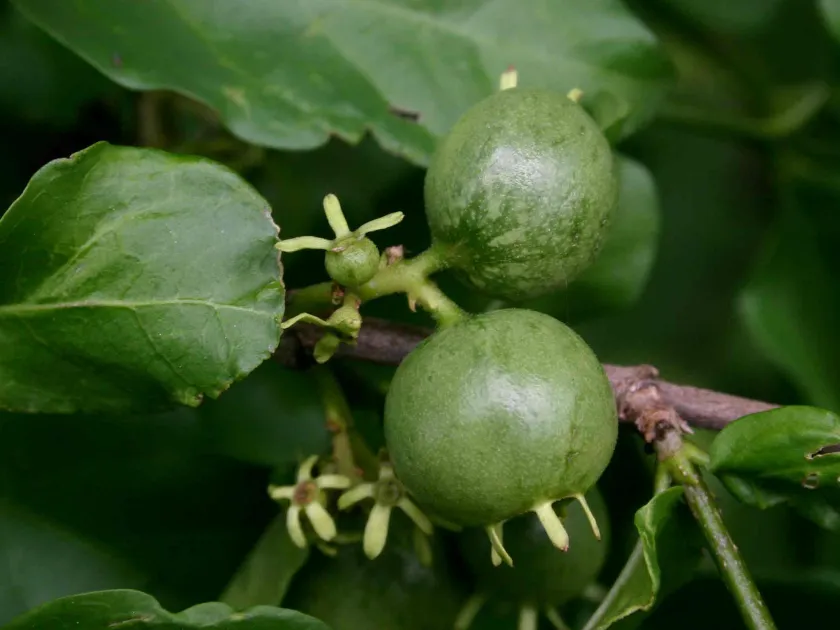
Description
Growing requirements
Vangueria randii is a distinctive woody plant belonging to the Rubiaceae family. Native to the tropical regions of Africa, it thrives in varied habitats ranging from open savannahs to the fringes of woodland areas, displaying a strong adaptation to local ecological cycles.
For successful cultivation, the plant requires well-drained, fertile soil. It is particularly sensitive to waterlogging, necessitating soil conditions that allow for efficient aeration and prevent root rot, which is a common challenge for many tropical woody species in heavy clay substrates.
Exposure to full sunlight is essential for the healthy development of Vangueria randii. The species thrives in environments where it receives high levels of solar radiation throughout the growing season, promoting robust branch structure and efficient flowering cycles.
Temperature management is critical for this species. Being a tropical plant, it demands consistent warmth. Exposure to frost or prolonged cold periods can lead to severe physiological stress or mortality, making it suitable for protected cultivation in temperate regions.
Agricultural practices for this plant involve consistent irrigation during the dry season and protection against competitive weeds. Proper spacing is required to ensure adequate airflow between plants, reducing the risk of fungal infections in the foliage.
Harvesting
The primary economic value of Vangueria randii lies in its edible fruits. These fruits are recognized for their unique nutritional composition and flavor profile, making them a significant resource for local communities and a potential niche product for fruit markets.
Harvesting should be timed to coincide with full fruit ripeness. Indicators of maturity include changes in skin color and the development of a softer pulp, which signals the optimal peak of flavor and nutritional content for consumers.
The wood of the tree is recognized for its utility in local craftsmanship. Its hardness and durability make it suitable for manufacturing small household items and tool handles, showcasing the multi-purpose potential of this valuable plant species.
Post-harvest handling requires gentle care to maintain fruit integrity. Given the perishable nature of the produce, rapid cooling or immediate processing into preserves can significantly reduce losses and increase the shelf life of the harvest.
Ongoing research into Vangueria randii explores its potential for wider adoption in agroforestry systems. By integrating this species into diverse farming landscapes, growers can improve biodiversity while obtaining consistent annual yields of fruits and useful timber.