
Vangueria parvifolia
Vangueria parvifolia
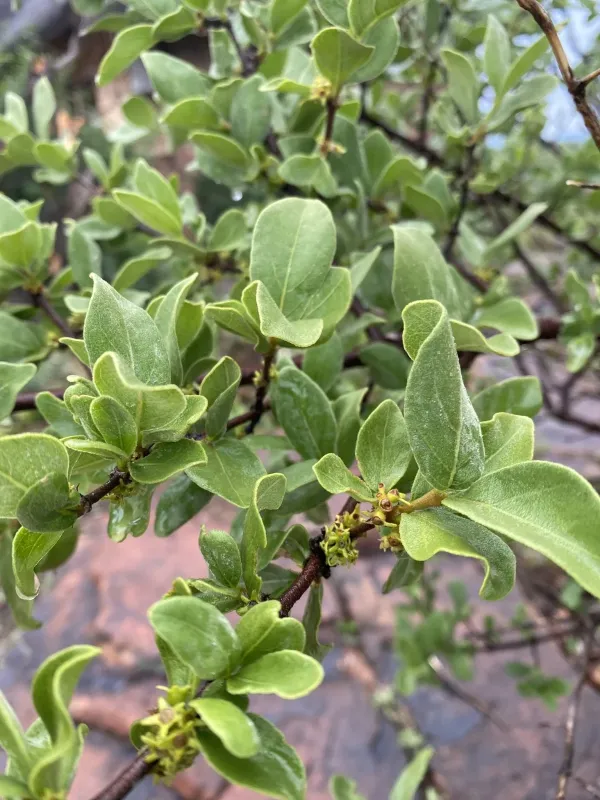
Description
Sowing dates
Propagation of Vangueria parvifolia is primarily achieved through seeds, which should be sown soon after harvesting to ensure high viability rates.
The seeds require a well-draining germination medium, such as a mix of sand and peat, to prevent fungal development during the rooting process.
Optimal germination occurs at temperatures between 22 and 26 degrees Celsius, simulating the warm conditions of its native habitat.
Seedlings need protection from direct sunlight in their early stages, as their leaves are susceptible to scorching before the plant is established.
Regular but moderate watering is crucial during the initial growth phase, ensuring that the soil remains moist but never waterlogged.
Growing requirements
Vangueria parvifolia is a woody shrub belonging to the Rubiaceae family, widely distributed in the arid and semi-arid regions of southern Africa.
The plant thrives in full sunlight, which is essential for maximizing flower production and overall growth performance in diverse landscape settings.
Soil requirements are relatively flexible, though the species performs best in deep, loamy soils that provide excellent drainage capacity.
It displays significant drought tolerance once established, making it a sustainable choice for environments with unpredictable rainfall patterns.
Periodic pruning is recommended to maintain a manageable shape and to encourage the development of new, fruit-bearing branches each season.
Yield
The plant produces small, round, edible fruits that are appreciated by local communities for their sweet and slightly tart flavor profiles.
Productivity typically begins once the plant reaches maturity, usually within a few years of planting under suitable environmental conditions.
Beyond its edible fruits, Vangueria parvifolia provides durable wood used in traditional crafts and handles for simple farm tools.
The species is also noted for its potential in medicinal applications, as various parts of the plant are utilized in local traditional healing practices.
Sustainable harvesting of both fruit and wood makes this plant an important component of agroforestry systems in its native range.
Main diseases and pests
Common pests include various leaf-eating insects and aphids that can cluster on young shoots, potentially stunting the growth of the plant.
Fungal issues, such as leaf spot diseases, can occur if the plants are situated in areas with poor airflow and excessive humidity levels.
Root rot is a major threat if the plant is grown in heavy, poorly drained soils, as the root system is highly sensitive to persistent moisture.
Integrated pest management strategies are advised, focusing on maintaining plant health and removing any infected foliage to prevent spreading.
Monitoring the plant during the active growth season helps in early detection of potential threats before they cause significant damage to the crop.
Harvesting
Harvesting involves carefully hand-picking the fruits when they reach a deep, mature color, signaling that they are ready for consumption.
Because ripening is asynchronous, producers often conduct multiple picking sessions to capture the entire yield at its peak quality.
Once harvested, the fruits should be stored in cool, well-ventilated conditions to maintain their texture and prevent rapid fermentation.
Mechanical impact should be minimized during the collection process to keep the fruits intact for fresh market delivery or immediate processing.
Proper post-harvest handling ensures that the sugar content and nutritional benefits of the fruit are preserved until they reach the end consumer.