
Vangueria dryadum
Vangueria dryadum
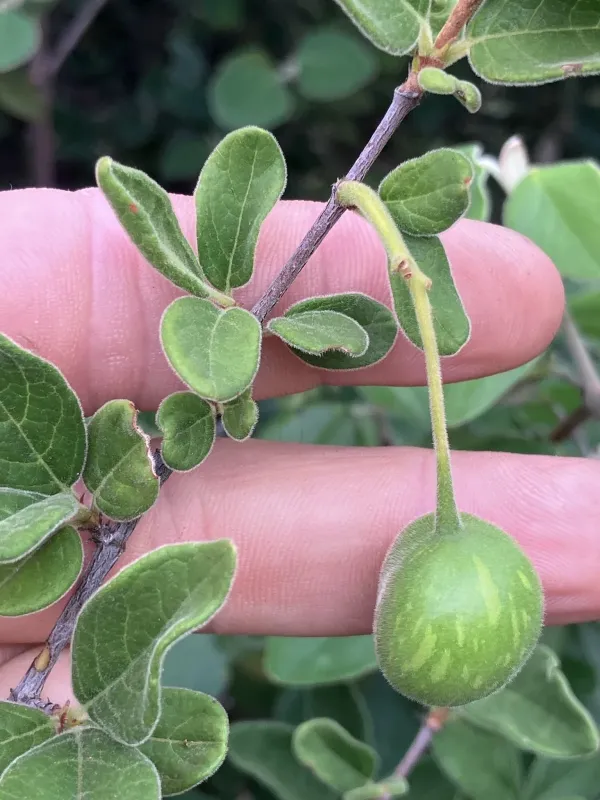
Description
Growing requirements
Vangueria dryadum is a perennial evergreen tree belonging to the Rubiaceae family, native to the tropical forests of Africa, where it thrives in high-humidity habitats.
The plant is strictly tropical in its climatic requirements, meaning it cannot withstand frost or cold stress, necessitating a warm environment throughout the year.
In terms of soil, it prefers deep, fertile, and well-draining substrates that are rich in organic matter and maintain a slightly acidic to neutral pH level.
While the tree benefits from ample sunlight, young plants often require shading to protect them from the scorching effects of intense tropical sun rays.
Proper water management is essential, as the root system needs consistent moisture without being waterlogged, which could lead to root rot or fungal complications.
Yield
The primary agricultural utility of Vangueria dryadum is the production of edible fruits, which are valued for their nutritional profile and unique flavor profile.
Harvesting is typically done by hand, ensuring that only fruits that have reached full maturity are collected for consumption or commercial processing.
Agricultural productivity can be enhanced through systematic pruning, which helps maintain a manageable tree size and improves airflow through the canopy.
Though not currently a major commercial crop on a global scale, it remains a vital component of local agroforestry systems and sustainable food production.
Secondary uses of the plant include the potential utilization of its dense wood and the aesthetic value it provides to botanical and private gardens.
Main diseases and pests
The health of Vangueria dryadum can be compromised by various fungal pathogens that flourish in environments characterized by high humidity and poor ventilation.
Insect pests, specifically sucking insects such as aphids and scale insects, frequently target the succulent new growth and can severely reduce plant vigor.
Nematode infestations in the rhizosphere represent a significant agricultural risk, requiring careful soil management and the use of organic amendments.
- Regular inspection of the foliage for signs of chlorosis or spot diseases.
- Implementation of integrated pest management strategies to protect beneficial insects.
- Sanitation protocols to prevent the spread of diseases via contaminated tools.
Proactive monitoring is crucial for successful cultivation, as once a plant becomes heavily infested, recovery is often slow and requires extensive rehabilitation.