
Vangueria apiculata
Vangueria apiculata
Description
Growing requirements
Vangueria apiculata is a perennial woody plant belonging to the Rubiaceae family, native to the tropical ecosystems of Africa. It is recognized for its ability to thrive in varied savannah environments, providing essential non-timber forest products.
The plant requires a tropical climate with high average temperatures and distinct seasonal moisture patterns. It thrives in well-drained soils, showing a preference for loamy textures that allow for optimal root respiration while maintaining sufficient moisture retention during the wet season.
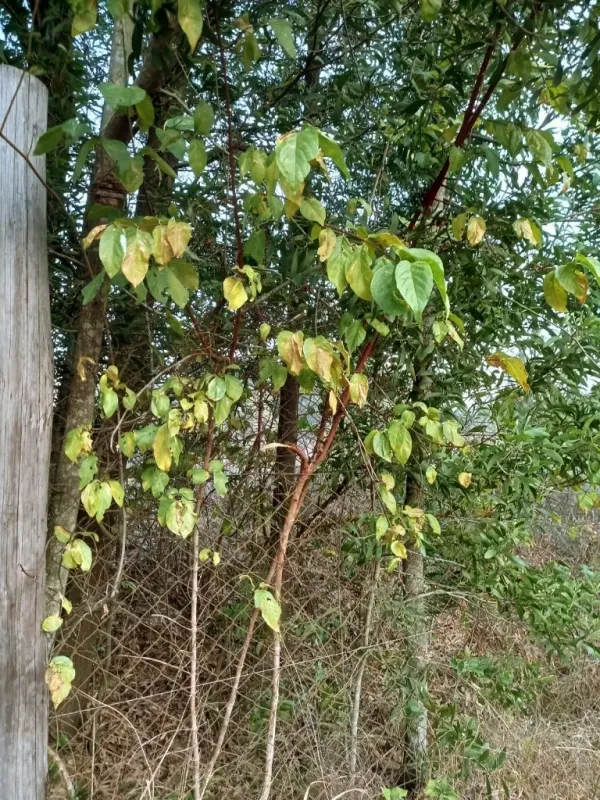
Botanically, it is identified by its pointed, opposite leaves and dense clusters of fragrant flowers. These flowers are highly attractive to pollinators, which is a critical aspect for ensuring successful fruit set in agricultural settings.
Agrotechnical management involves regular thinning of the canopy to ensure light penetration. Given its natural growth habit, the tree requires minimal intervention once established, but providing mulch around the base significantly improves water retention and nutrient availability.
The fruit of Vangueria apiculata is valued for its nutritional profile and is a staple in local diets. Beyond food, the plant serves as a vital component in local agroforestry systems, contributing to soil stability and habitat for local biodiversity.
Main diseases and pests
The primary threats to healthy development include fungal foliage diseases, which are exacerbated by high humidity levels. Proper site selection and ensuring sufficient spacing between trees are crucial preventative measures to maintain air circulation.
Insect pests such as leaf-eating caterpillars and sap-sucking insects can pose challenges during the active growth phases. Integrated pest management, focusing on biological controls, is the preferred strategy for sustainable production.
Soil degradation and nutrient exhaustion can significantly impact fruit size and overall yields. Implementing regular organic fertilization cycles helps maintain soil fertility and boosts the resilience of the trees against environmental stressors.
Young plants are particularly vulnerable to weed competition during the establishment phase. Keeping the area around the base clear of aggressive grasses is essential to ensure that the seedling receives adequate water and nutrients.
Extreme climate variations, such as unseasonal frost or prolonged flooding, can negatively impact tree health. Selecting sites with good natural drainage and protection from prevailing cold winds is recommended for long-term plantation success.