
Urophyllum hirsutum
Urophyllum hirsutum
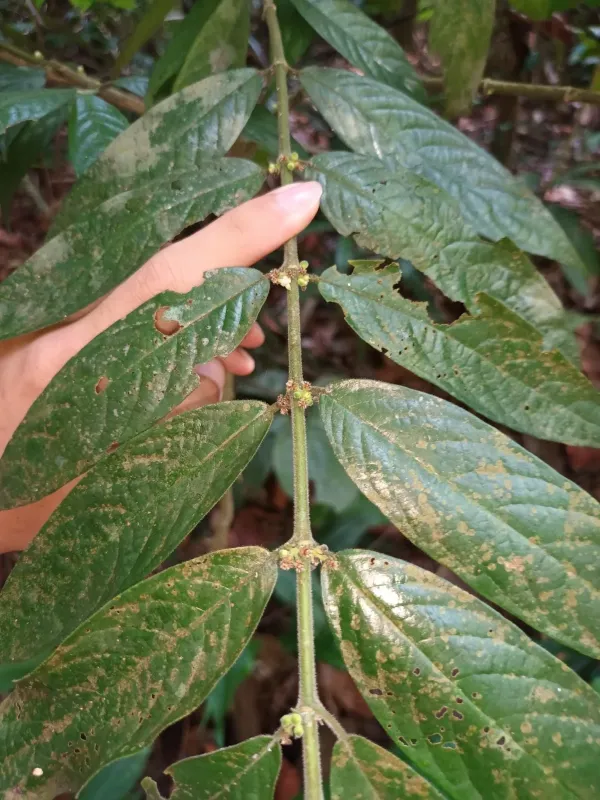
Description
Growing requirements
Urophyllum hirsutum is a species belonging to the family Rubiaceae. Native to the humid tropical forests of Southeast Asia, it functions as a typical understory plant that thrives in sheltered, shaded locations.
Successful cultivation requires a stable, warm climate without significant seasonal fluctuations. The plant is highly sensitive to drought and dry winds, making a humid environment essential for the optimal health of the foliage and overall growth rate.
Soil preferences lean towards organic-rich, well-draining substrates. The root system is delicate and requires aeration; therefore, compacted or waterlogged soils are detrimental to the long-term survival of the crop in controlled settings.
Botanically, the plant is distinguished by its hirsute (hairy) leaves and small, cluster-forming inflorescences. These features serve as an adaptation to moisture retention and specialized pollination in the dense forest environment.
While not a major commercial commodity, its utility spans potential medicinal research and preservation in botanical gardens. Its role in agroforestry remains limited but academically relevant for tropical biodiversity studies.
Main diseases and pests
The primary threats to this species involve fungal pathogens that emerge during periods of low air circulation and high stagnant moisture levels, which can lead to leaf spots or root rot.
Pests such as spider mites and scale insects are common in confined or non-native growing environments. Maintaining appropriate spacing and proper ventilation is recommended to mitigate the risk of infestation and disease propagation.