
Tocoyena sellowiana
Tocoyena sellowiana
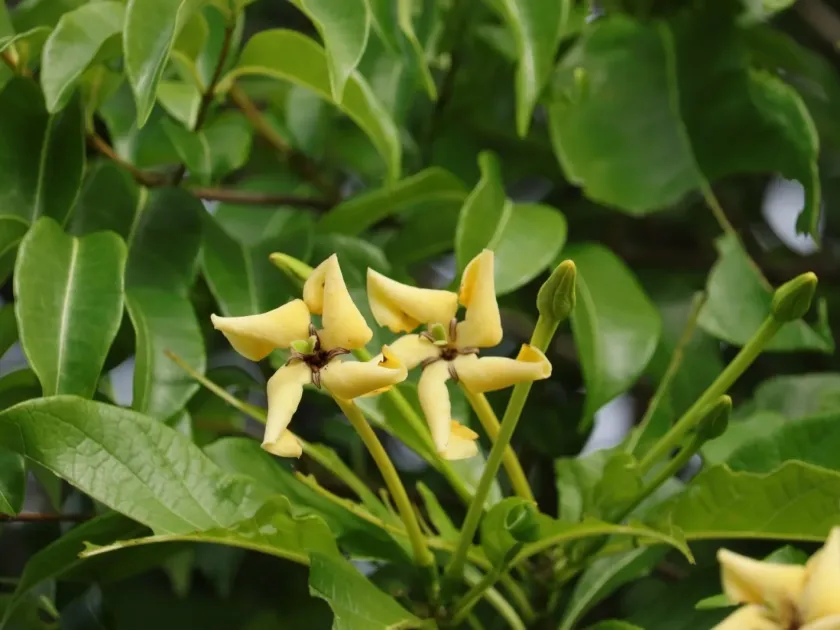
Description
Sowing dates
Tocoyena sellowiana is a slow-growing woody plant, and propagation is primarily carried out using seeds under protected environment conditions. The seeds should be sown in a well-drained, loose substrate rich in humus, maintaining a stable soil temperature of at least 25 degrees Celsius.
The seeds have moderate germination rates; therefore, pre-soaking in growth stimulants is recommended before planting. The sowing depth should not exceed 1–2 centimeters to ensure adequate oxygen access and prevent rot.
First seedlings typically emerge 4–6 weeks after sowing, depending on the freshness of the seed material. A crucial requirement at this stage is maintaining high air humidity, which is best achieved through the use of mini-greenhouses or plastic covers.
Seedling pricking out should be performed once two pairs of true leaves have developed. During this delicate phase, it is vital to avoid damaging the root system, which is highly sensitive to mechanical stress in this species.
Transplanting to a permanent outdoor location or into large containers is only advisable after the plant has matured and reached a height of 30–40 centimeters. In regions with a distinct rainy season, it is preferable to begin planting at the start of the vegetative growth period.
Growing requirements
As a member of the Rubiaceae family, this species is a tropical plant native to South American regions. The crop requires consistently high temperatures without sudden fluctuations and prefers diffused sunlight, as direct midday exposure can cause leaf burns.
Soil requirements involve using slightly acidic or neutral substrates with excellent drainage properties. Water stagnation at the roots is fatal for the plant, so it is necessary to incorporate perlite or coarse sand into the soil mixture.
Tocoyena sellowiana is sensitive to air humidity levels, which should ideally remain between 60–70 percent. In dry climates, regular misting of the crown or the installation of an automatic humidification system is necessary.
During the active growth period, the plant requires regular fertilization with complex mineral fertilizers, focusing on balanced potassium and phosphorus levels. Organic fertilizers should be applied moderately to prevent excessive vegetative growth at the expense of flowering.
Wintering requires greenhouse conditions with a minimum temperature of at least +15 degrees Celsius. Any chilling of the root system can result in leaf drop and significant growth stunting.
Main diseases and pests
The primary threats to Tocoyena sellowiana include common pests found in tropical greenhouse environments, such as spider mites and scale insects. These thrive particularly well in conditions of low air humidity and high temperatures.
Fungal diseases, including powdery mildew and various types of root rot, can develop due to improper irrigation practices. Prevention relies on ensuring high-quality ventilation and maintaining appropriate spacing between individual plants.
For pest control, it is recommended to use systemic insecticides. Applications should be performed during early morning or evening hours to avoid chemical leaf damage caused by exposure to direct light during the treatment process.
If root rot is detected, irrigation must be reduced immediately, the soil should be disinfected with fungicides, and fresh air circulation must be improved. In severe cases, repotting the plant while removing decayed root sections is required.
Regular inspection of the underside of the leaves allows for the early detection of pest colonies. Promptly removing affected plant parts helps prevent the spread of infections to other specimens within the collection.