
Oldenlandia prostrata
Oldenlandia prostrata
Description
Growing requirements
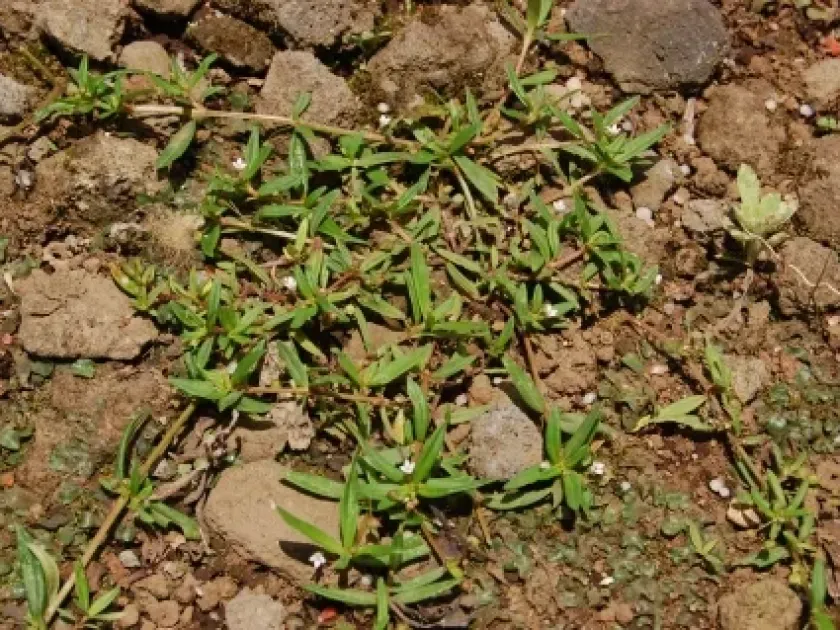
Oldenlandia prostrata is a notable herbaceous plant belonging to the Rubiaceae family. Characterized by its creeping growth habit, this species is well-adapted to moisture-rich environments, making it a unique botanical subject for both ecological study and specialized herbal production.
Originating from tropical regions of Asia, the plant naturally thrives in humid habitats such as marshes, riverbanks, and agricultural wetlands. Its ability to propagate vegetatively through stem nodes touching the soil surface allows it to form dense, ground-covering mats effectively in optimal conditions.
The botanical structure of Oldenlandia prostrata features small, opposite leaves and delicate stems. The root system is shallow but highly efficient at nutrient uptake in moist substrates. This growth pattern makes it an excellent choice for stabilizing moist soil areas while simultaneously producing valuable biomass.
In terms of climate, the plant requires consistent warmth and protection from frost, as it is strictly a tropical species. Optimal cultivation occurs in areas with high humidity levels and stable temperatures, which replicate the plant's native Asian ecosystems for maximum yield and quality.
Soil requirements involve a rich, well-draining, yet consistently damp medium. Regular irrigation is the cornerstone of its agricultural management, as the plant cannot withstand prolonged dry spells. Providing organic matter into the soil profile promotes vigorous growth and enhances the concentration of active medicinal compounds.
Main diseases and pests
Fungal pathogens represent the most significant threat to Oldenlandia prostrata, particularly root rot triggered by waterlogged conditions and poor drainage. Maintaining a proper soil balance is essential to prevent the spread of these soil-borne diseases throughout the cultivation area.
Pests such as aphids and spider mites can cause considerable damage, especially in greenhouse environments where conditions may occasionally favor their reproduction. These pests impact the plant by piercing tissues and draining nutrients, leading to yellowing leaves and reduced vigor.
Integrated pest management (IPM) is highly recommended for this crop. Utilizing biological controls, such as beneficial insects or neem oil-based sprays, ensures that the medicinal properties of the harvested herb remain uncontaminated by synthetic pesticides, meeting strict pharmaceutical quality standards.
Cultural practices such as adequate spacing and regular thinning help improve airflow around the plants, significantly reducing the likelihood of mildew and other moisture-related infections. Monitoring for signs of stress or discoloration is crucial for proactive plant health management.
Proper sanitation, including the removal of dead or infected debris from the growing site, is an essential preventative measure. By managing environmental humidity and maintaining clean surroundings, growers can significantly extend the productive lifespan of an Oldenlandia prostrata planting.