
Polytrichastrum alpinum
Polytrichastrum alpinum
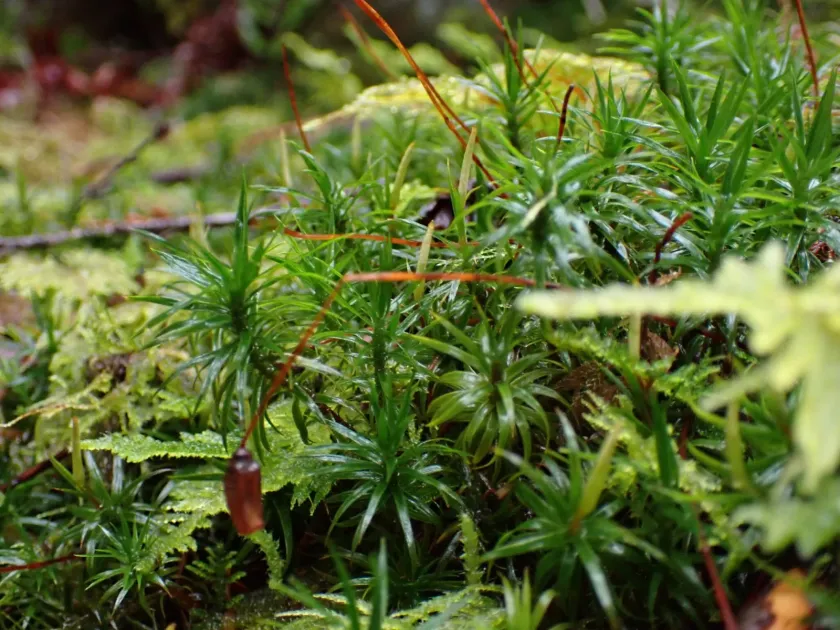
Description
Growing requirements
Polytrichastrum alpinum is a perennial moss species belonging to the Polytrichaceae family. It is widely distributed across the northern hemisphere, particularly in alpine and arctic tundra ecosystems.
This moss thrives in environments with high moisture levels and cool temperatures. It is often found colonizing rocky crevices, mineral soils, and areas with low competition from higher plants.
The species prefers acidic to neutral soil pH levels. It is highly adapted to extreme cold and possesses the ability to survive in environments that are unsuitable for most vascular agricultural crops.
Cultivation of this species is not typical in agriculture; however, it serves as an important indicator plant for monitoring ecosystem health in northern territories.
Success in maintaining this moss depends entirely on maintaining stable environmental conditions, specifically preventing the desiccation of the habitat and avoiding intensive disturbance of the substrate.
Main diseases and pests
The primary threats to Polytrichastrum alpinum populations are global climate changes, which lead to soil moisture loss and the encroachment of shrubbery into its native habitat.
Anthropogenic impacts, such as soil compaction from heavy machinery or excessive trampling in fragile tundra ecosystems, can lead to the destruction of the moss colonies.
While not affected by conventional agricultural pests, the species is sensitive to air pollution, which can alter the chemical balance of its immediate micro-environment.
Increased temperatures favor the growth of competing vascular plants, which may eventually outcompete the moss for space and solar radiation.
Eutrophication of the soil, caused by external nutrient runoff, can also negatively affect the growth of this specific species, which is adapted to low-nutrient environments.